Should you fix your energy tariff before 1 October? How to compare
The price cap rises on 1 October 2026. Whether a fixed deal is worth it depends on your usage and your appetite for guessing, not on the headlines. Here are Ofgem's numbers, the rule of thumb the comparison sites use, the five things to check, and the free help to claim before you think about tariffs at all.
By Tom Calder · Published 22 September 2026 · Sourced to Ofgem
£1,723 a year for a typical dual-fuel household paying by Direct Debit, £60, or 4 per cent more than the £1,663 that applied from July. Average Direct Debit rates: electricity 26.32p per kWh with a 54.83p a day standing charge; gas 7.97p per kWh with a 29.68p a day standing charge. Announced 26 August 2026; the cap runs to 31 December 2026. Almost all of the rise is gas, up 8 per cent: VAT comes off domestic electricity from October, so Ofgem says electricity bills stay broadly stable and a home with no gas sees under 1 per cent. Use more than "typical" and you pay more.
The rule of thumb
We don't give personal financial advice, and nobody knows what the cap will do in January. But the test used by MoneySavingExpert and the comparison sites is consistent, and it is a good one: a fix is only worth considering if it is priced at or below the cap you are on now, and only if you would be comfortable losing out should prices fall while you are locked in.
The number of fixed deals that beat the cap changes day by day as suppliers pull and launch tariffs, which is why different articles quote different counts. What matters is whether one beats it for your usage on the day you look.
Five things to check before you switch
- 1
Compare unit rates, not the headline
The cap limits the price of each unit and the daily standing charge, not your bill. A fixed deal is compared the same way: its unit rates and standing charges against the cap's, for your fuel and your payment method.
- 2
Price it against the cap you are on, not the forecast
A fix priced below today's cap is a real saving today. Whether it beats January depends on a forecast, and forecasts differ widely. Ofgem announces the real January cap by 25 November 2026.
- 3
Check the exit fee
Most fixes charge a fee per fuel to leave early. If prices fall and you want out, that fee is the cost of having guessed wrong. Some fixes have none; that flexibility is worth something.
- 4
Look at the standing charge separately
A tariff with a low unit rate and a high standing charge suits a high-use household and punishes a low-use one. If you use little energy, the standing charge is most of your bill.
- 5
Take a meter reading when you switch
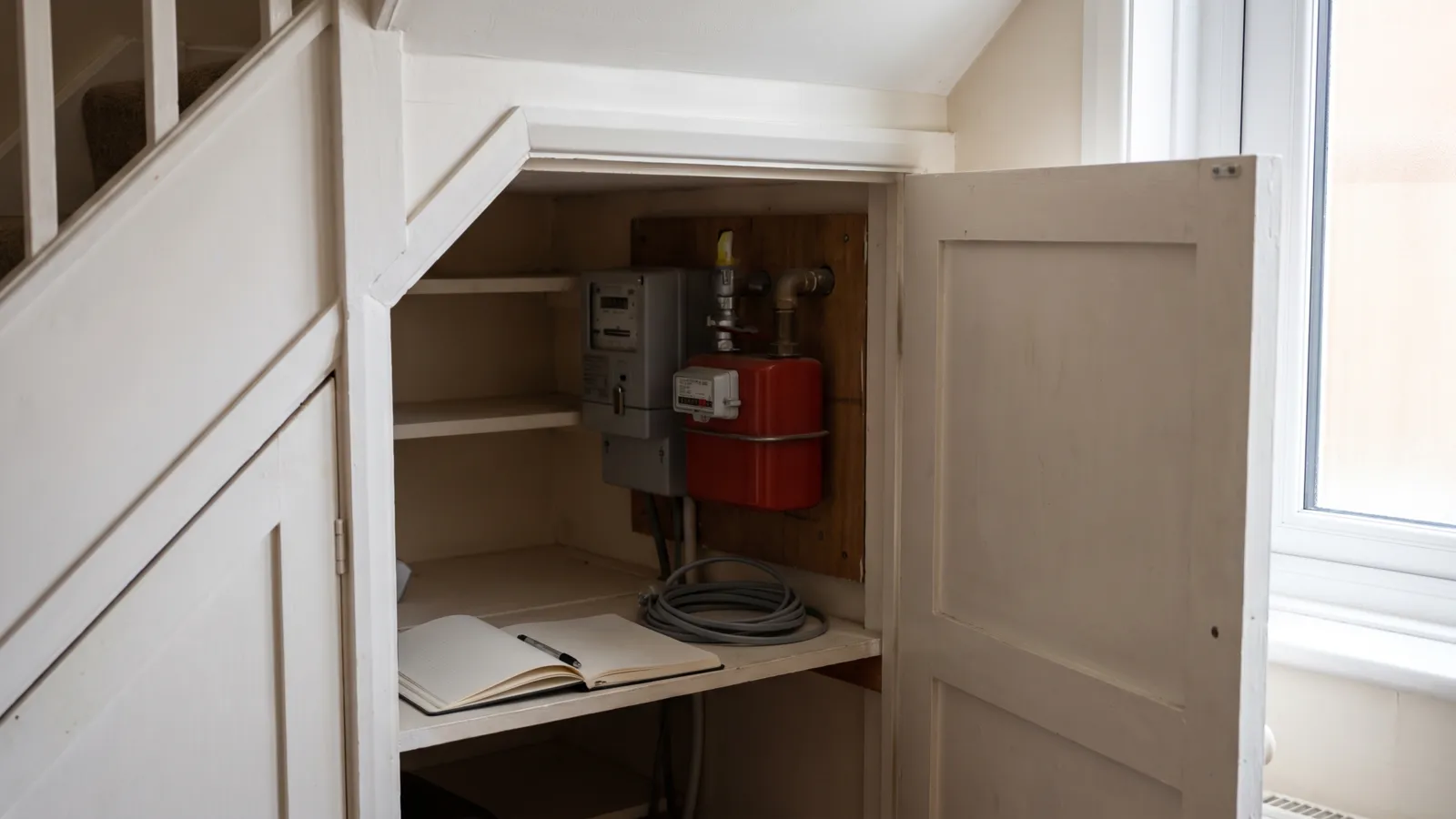
Unless you have a working smart meter, send a reading on the day the new tariff starts, and photograph it. It stops the old supplier estimating your last weeks at the wrong rate.
Before you fix anything: claim what you are owed
For the households that qualify, the support schemes are worth more than any tariff decision. The Warm Home Discount takes £150 off an electricity bill. The Winter Fuel Payment is £100 to £300 depending on age and household. Cold Weather Payments are £25 for each seven-day freezing spell between November and March, paid automatically to people on qualifying benefits. The Priority Services Register is free and gets you extra help if anyone at home is older, disabled or unwell.
Common questions
Should I fix my energy tariff before 1 October 2026?
Nobody knows what the cap will do, and we don't give personal financial advice. The rule of thumb used by MoneySavingExpert and the comparison sites is consistent: a fix is only worth considering if it is priced at or below the current cap, and only if you are comfortable losing out should prices fall. Check exit fees before signing.
What is the energy price cap from 1 October 2026?
Ofgem's cap for 1 October to 31 December 2026 is £1,723 a year for a typical household paying by Direct Debit for gas and electricity, up £60 (4 per cent) on the July to September cap of £1,663. It caps unit rates and standing charges, not bills: use more than typical and you pay more.
How do I compare energy tariffs for free?
Citizens Advice publishes free guidance on switching and what to check. Comparison sites are free to use and show the whole market; they are paid by suppliers when you switch through them, which is also how we may be paid if you use our link. Compare unit rates and standing charges for your own usage.
Will the price cap rise again in January 2027?
Forecasts say so but disagree on how much. Cornwall Insight, the most widely followed forecaster, put January at around £1,872 on 26 August 2026 (about 9 per cent up); EDF's forecast was £2,165. Ofgem announces the real figure by 25 November 2026.
Is it better to stay on the price cap?
The cap is a ceiling, not a deal: a standard variable tariff at the cap moves every three months. Staying put is the right call if no fix beats the cap for your usage, or if you would rather keep the freedom to leave without a fee.
Sources: Ofgem, price cap announcement (26 August 2026) · Ofgem, unit rates and standing charges · Cornwall Insight forecast (26 August 2026) · Citizens Advice, switching energy supplier. This is general information, not financial advice. PreparedBritain is independent and not affiliated with HM Government or Ofgem.
Hear when the cap changes
One email when Ofgem announces the next cap, and when a support scheme opens or closes. Nothing else.