Guides & explainers
Every guide starts from official UK guidance and links its sources. Calm and practical — no doom.
Power cuts & energy
Preparing for outages, staying warm and connected, generators and backup power.
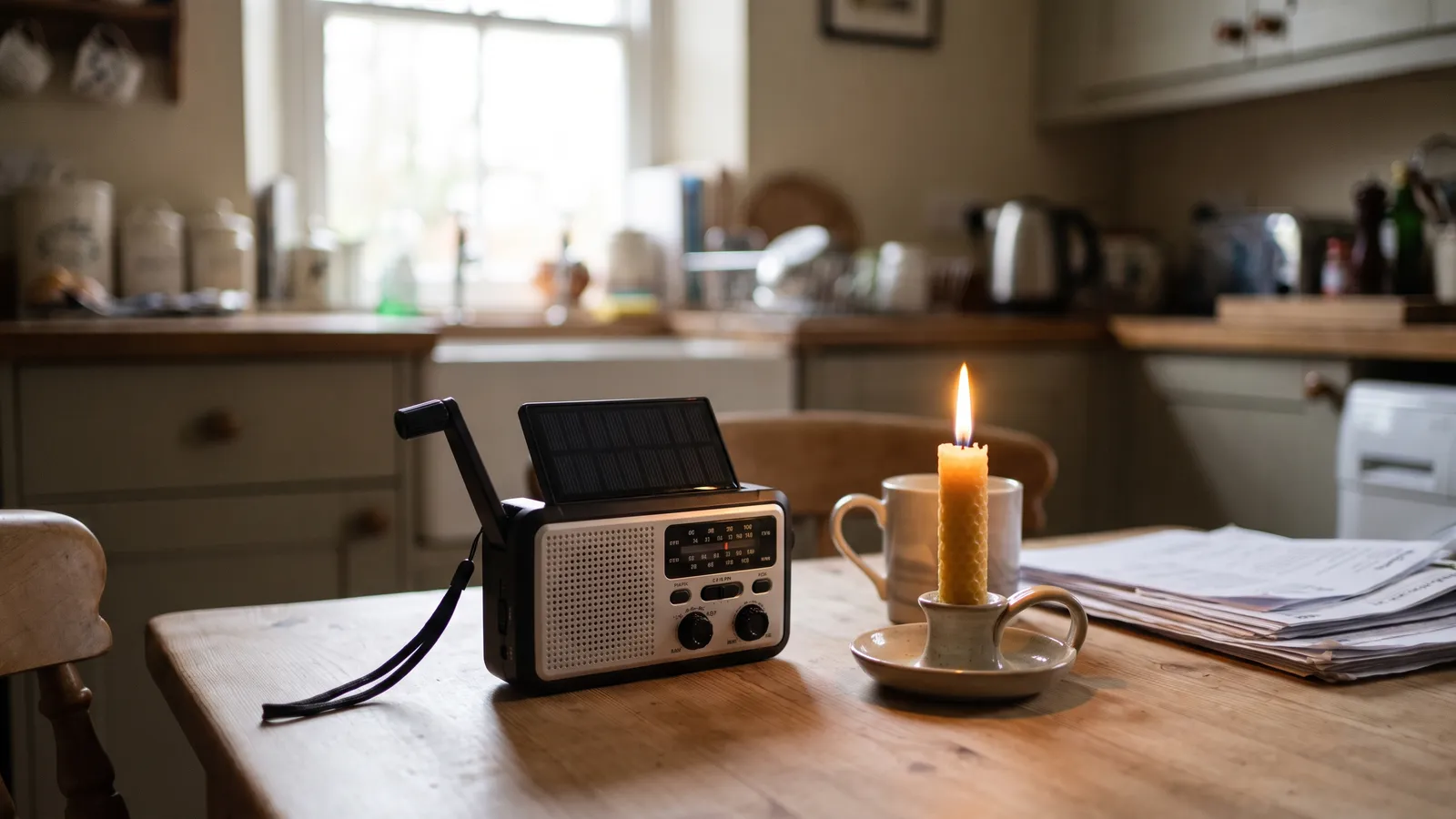
Which radio actually works in a UK power cut?
Long wave closed in June 2026, and half the wind-up radios on sale here advertise an American weather band that receives nothing in Britain. What to look for instead.
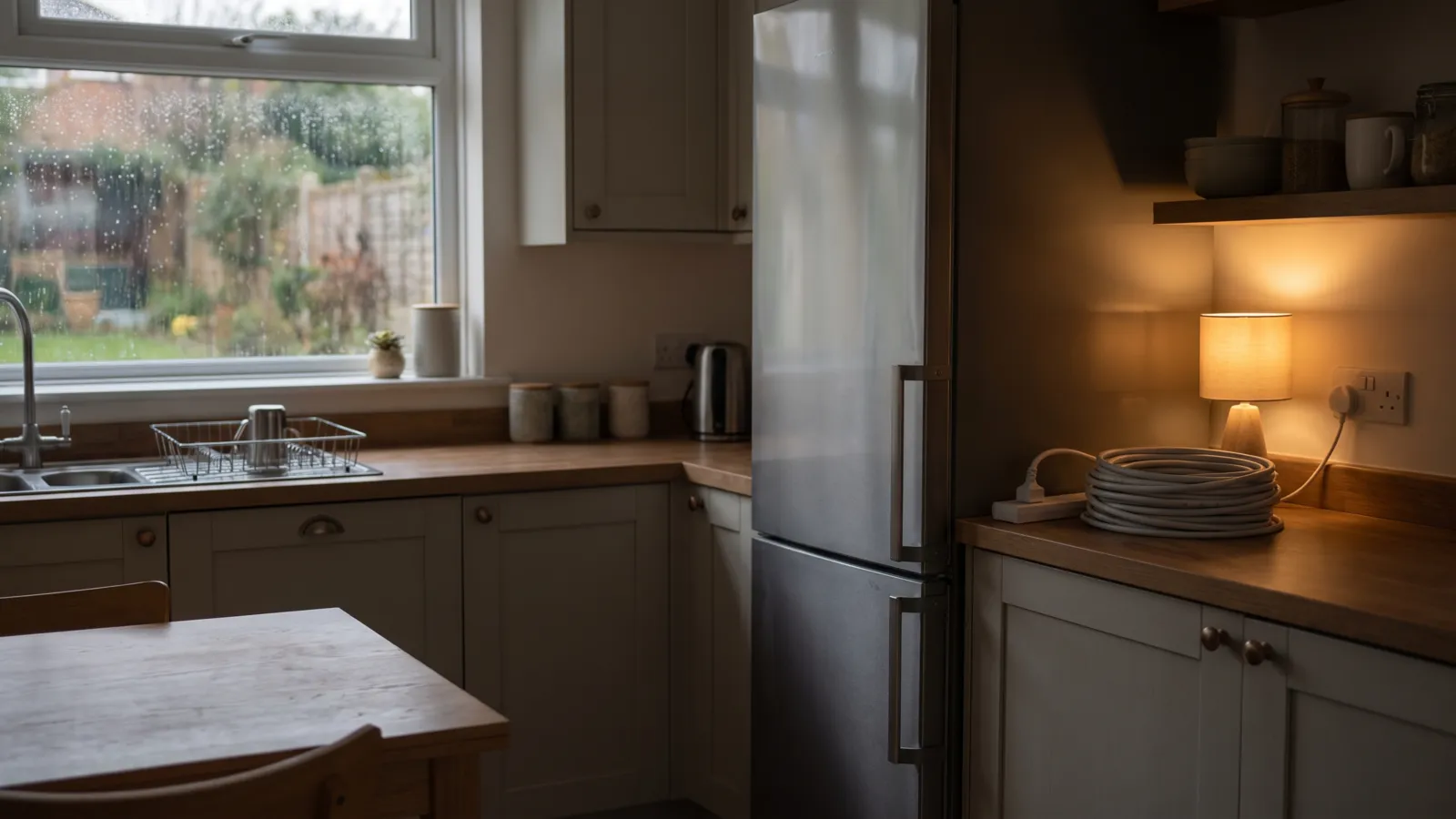
Can a power cut damage your appliances?
What really happens electrically when the power comes back on, which appliances are genuinely at risk, and how to protect them without overspending.
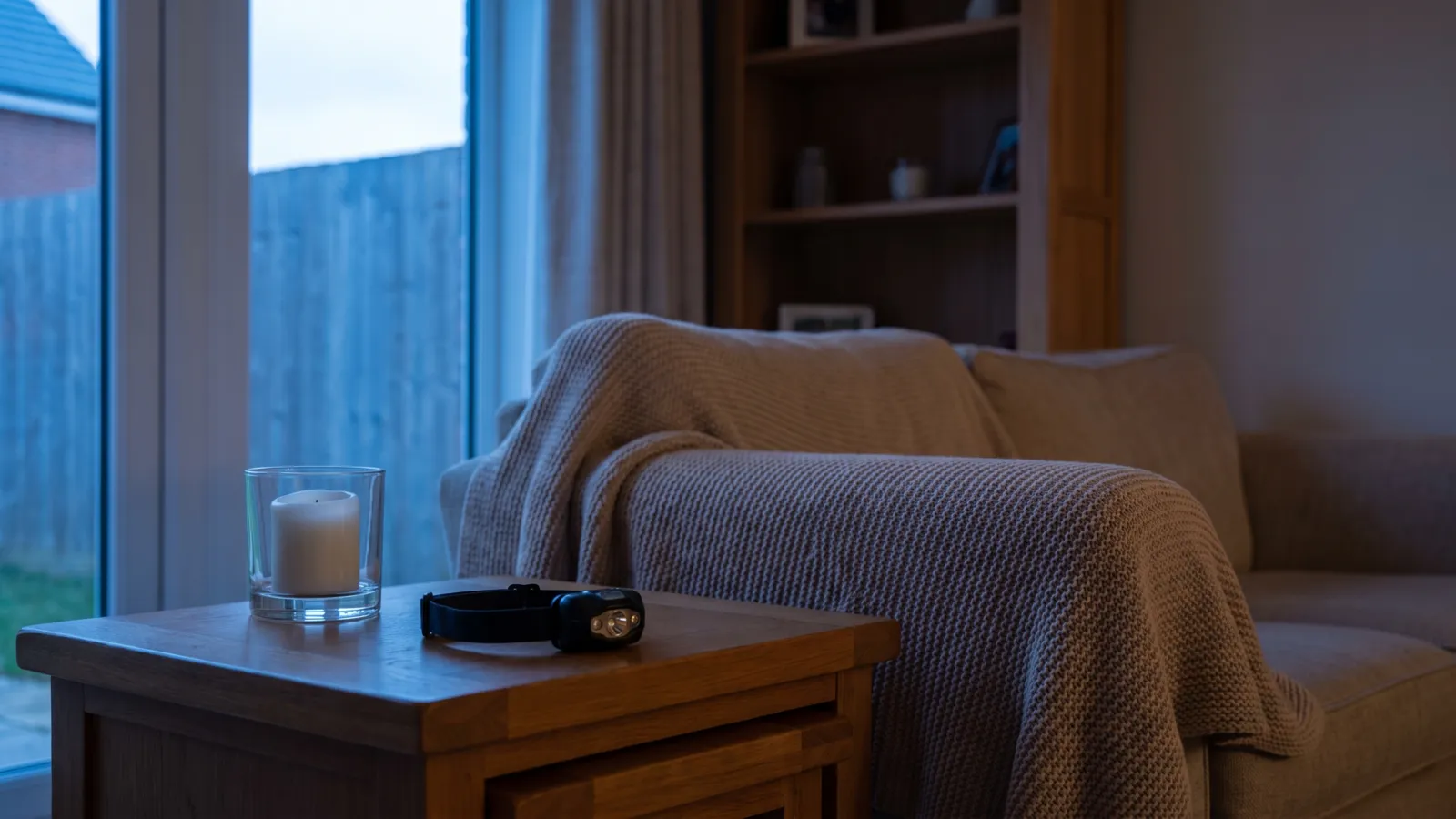
Are candles safe in a power cut?
Candles started 844 accidental house fires in England last year. The honest answer, the fire-service rules if you use them, and the better light for the money.
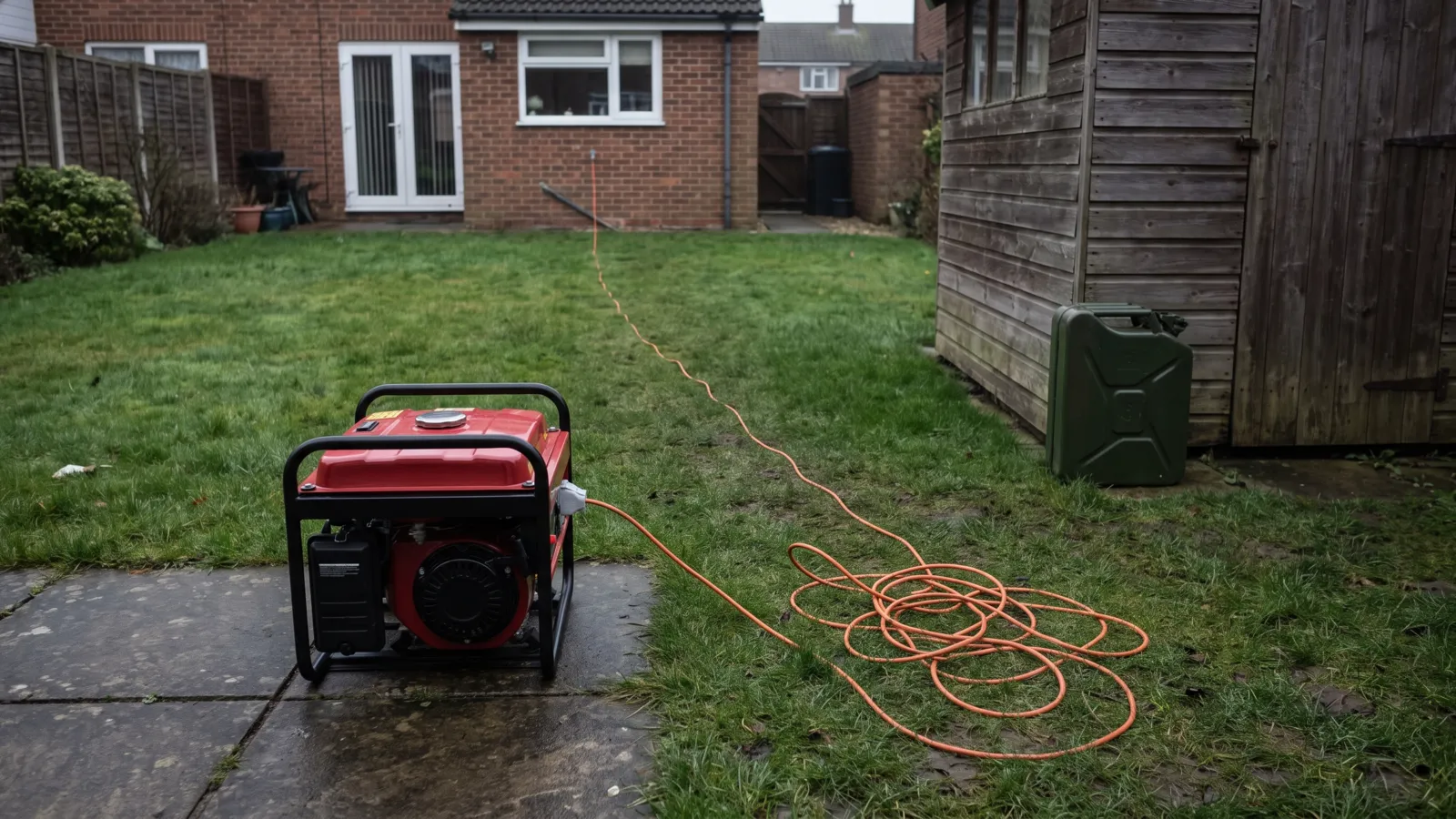
How to run a generator safely: carbon monoxide, positioning, refuelling and fuel storage
UK generator safety, fully sourced: carbon monoxide rules, 6-metre positioning, refuelling, legal petrol storage limits and why you must never plug into a wall socket.
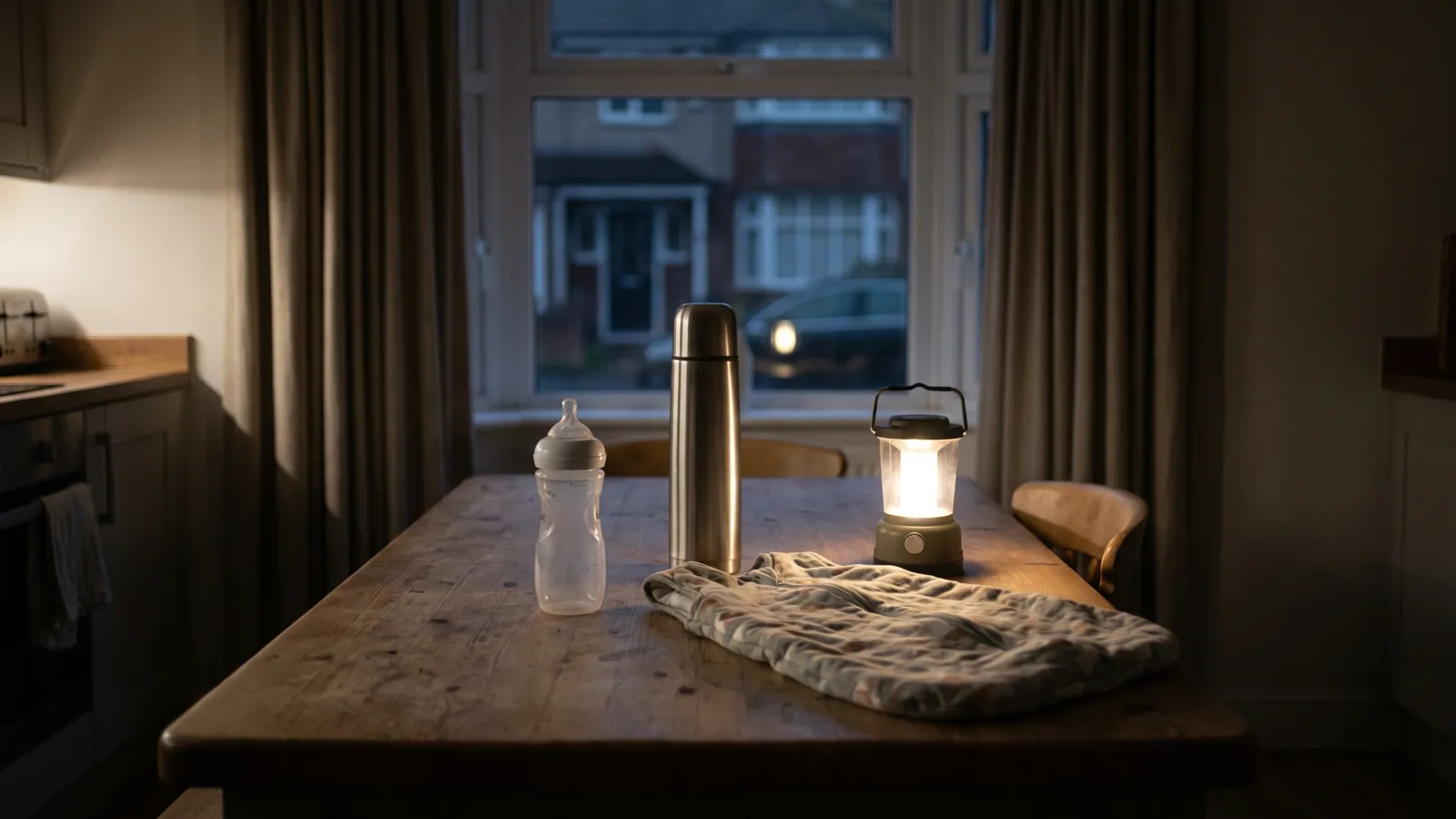
Power cut with a baby: feeding, sterilising and keeping them warm safely
How to feed, sterilise and keep a baby safely warm in a power cut — NHS formula rules, cold-water sterilising and safer-sleep warmth, step by step.
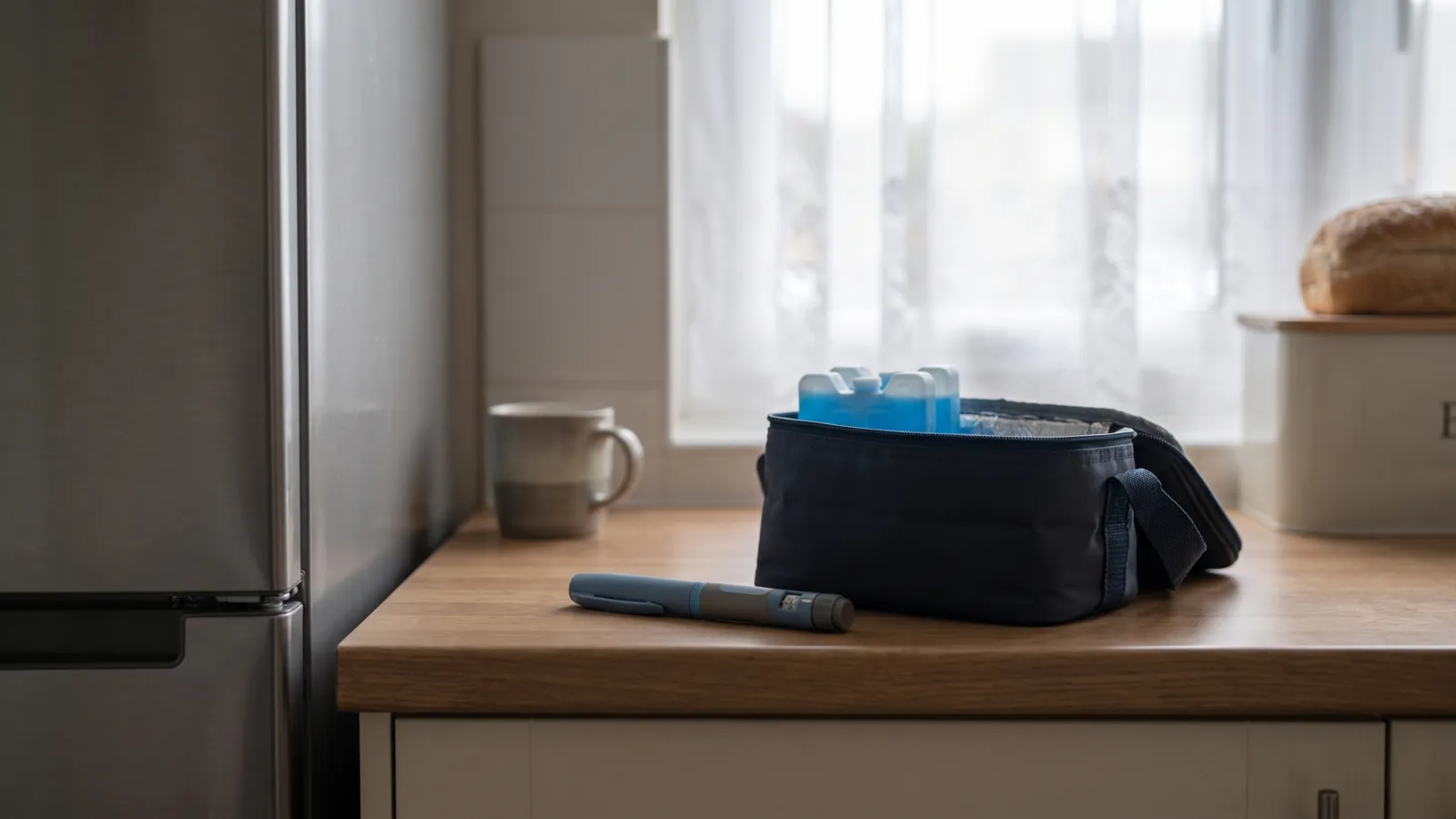
Insulin and fridge medicines in a power cut or heatwave: what's safe and what to do
NHS-sourced temperature windows for insulin and fridge medicines in a power cut or heatwave, correct cool-bag practice, and when to ask the pharmacist.
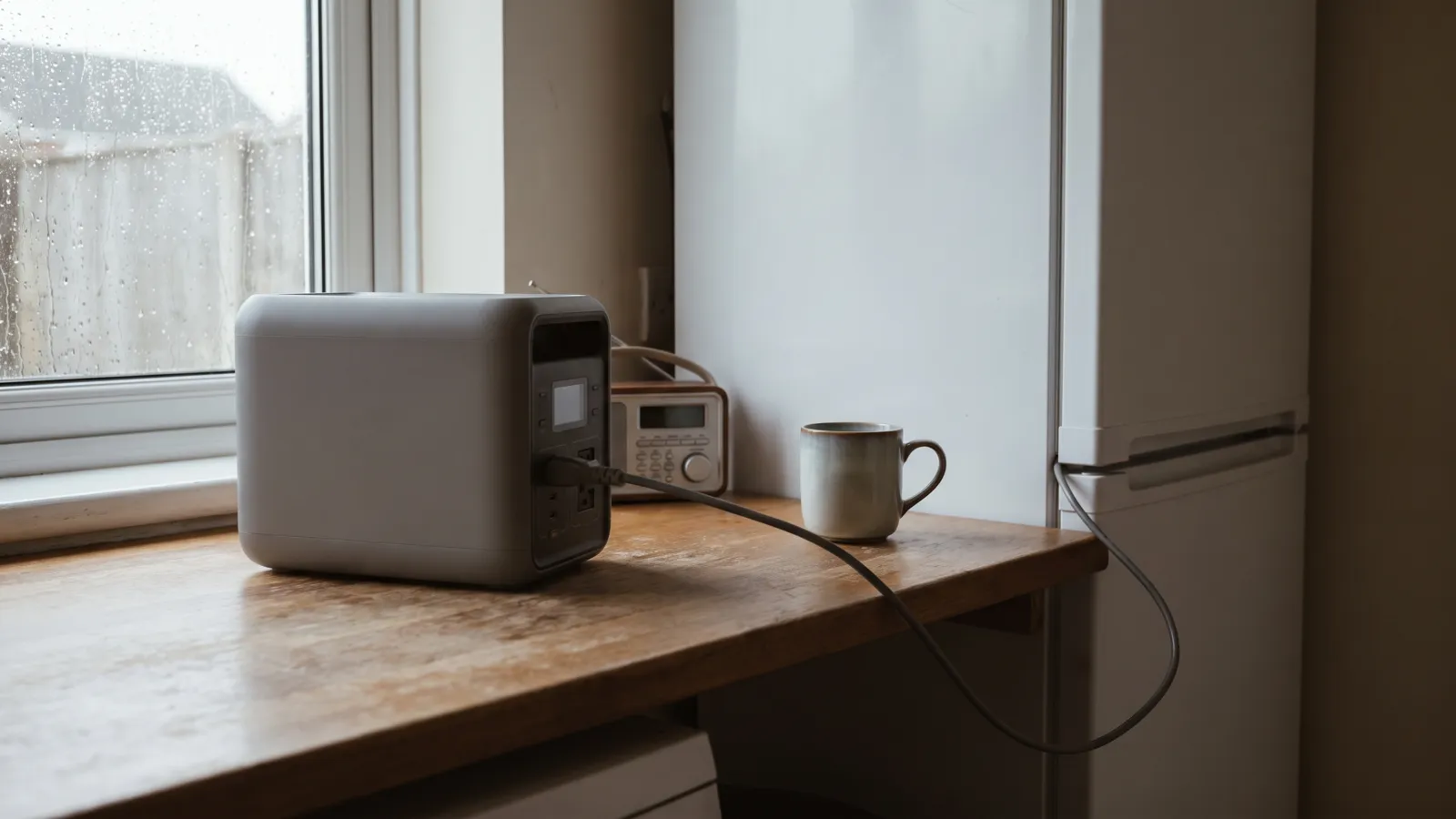
What size portable power station do you actually need? A UK sizing guide
Plain watt-hour arithmetic for UK homes — fridge-freezer, combi boiler, CPAP, router — three sizing tiers, and when a £30 power bank is all you need.
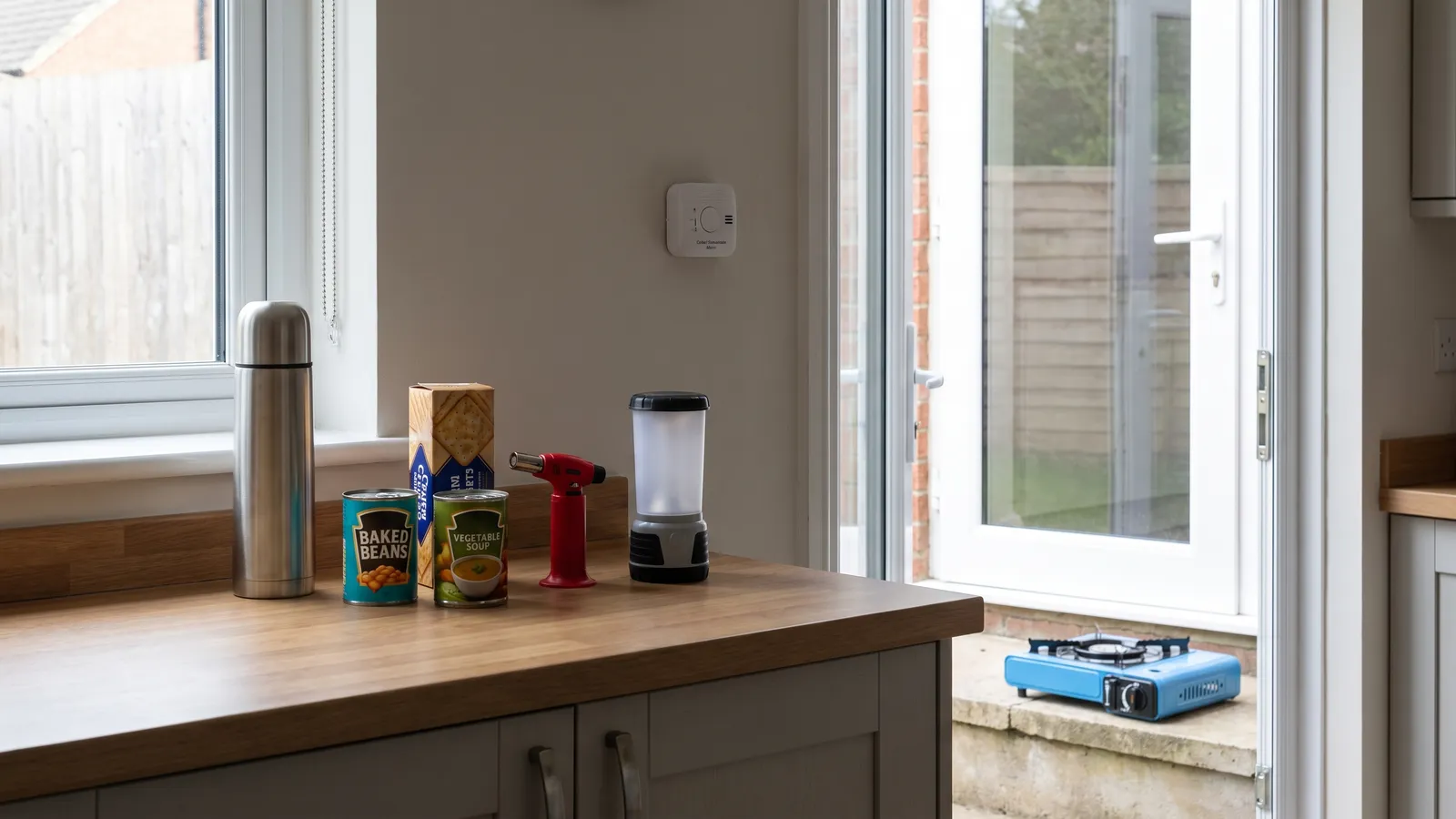
How to cook without power: safe hot food in a power cut
Safe ways to get hot food in a power cut: the one rule (never burn fuel indoors), a what-to-use decision guide, real no-cook meal ideas and UK food-safety timings.
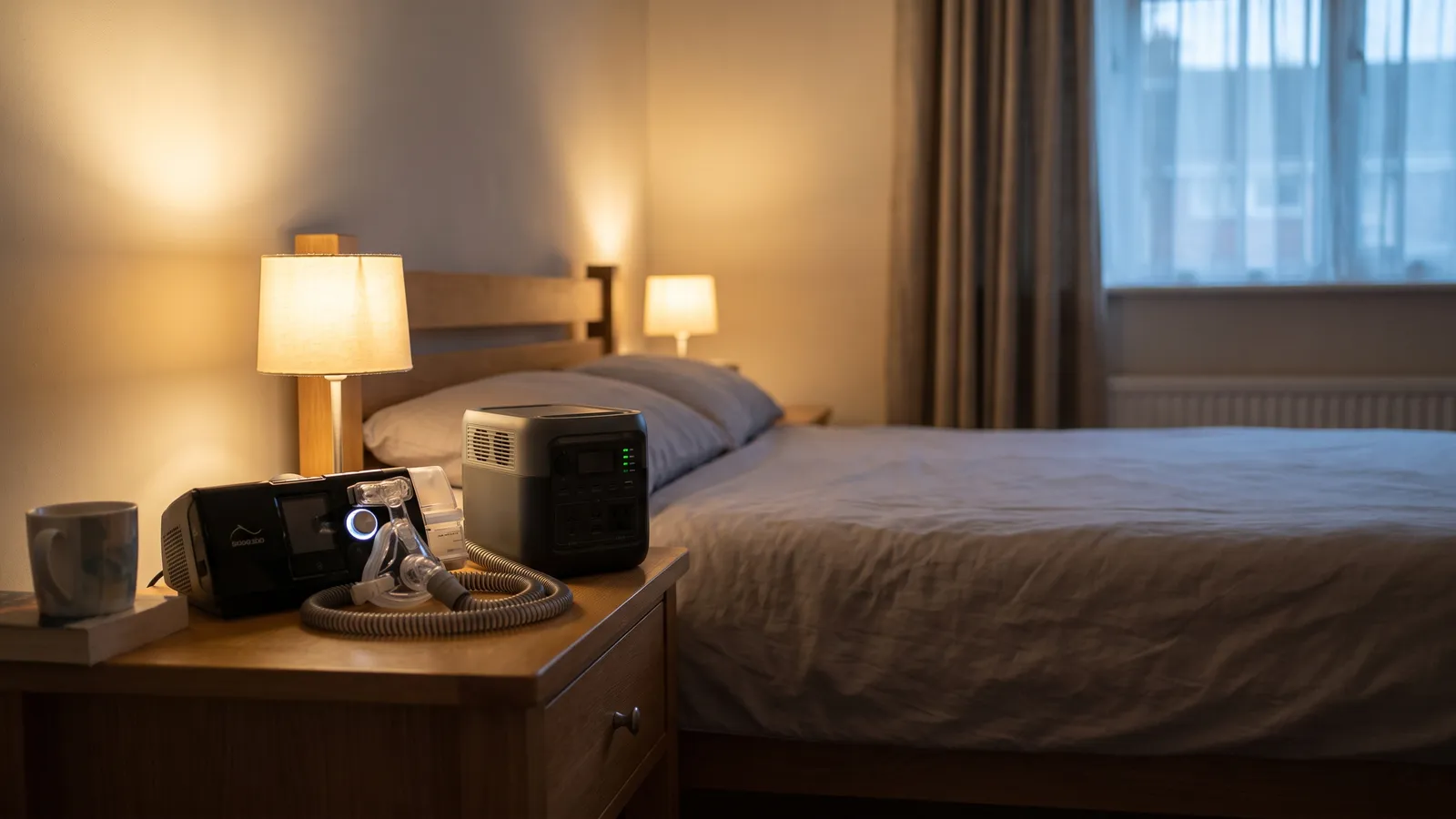
Running medical equipment in a power cut: CPAP, oxygen, insulin fridges and stairlifts
What CPAP machines, oxygen concentrators, insulin fridges and stairlifts draw in a power cut, when a power station helps, and why the Priority Services Register comes first.
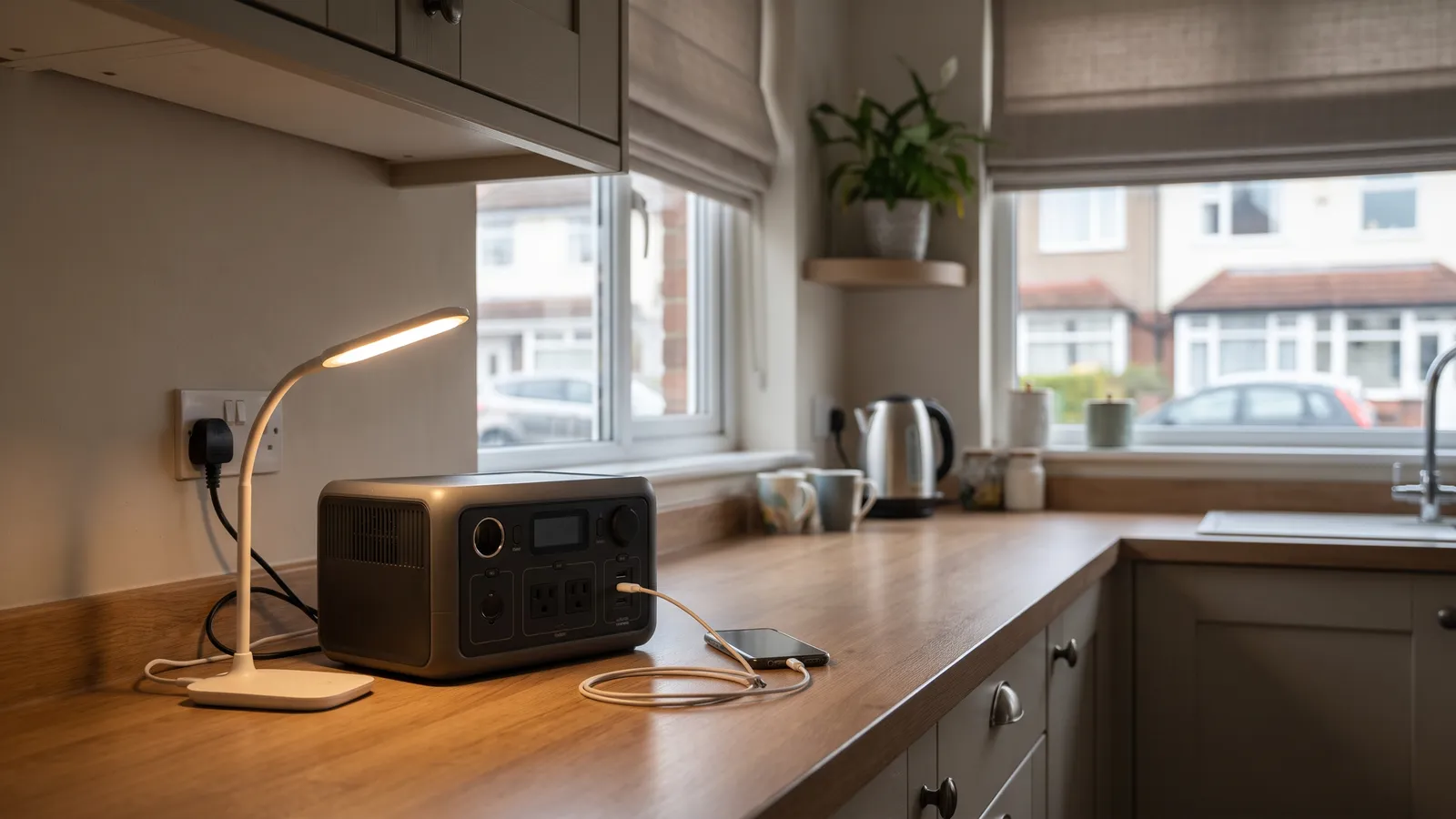
Power station vs generator: which home backup is right for you?
Power station or generator for UK home backup? A calm, sourced guide: most short power cuts need silent indoor battery power, not a fuel generator.

How to prepare for a power cut
The free number to save today, what to have ready, food safety, staying warm safely, and the compensation you may be owed — from official UK guidance.
Weather, storms & flooding
Named storms, floods, heatwaves and cold snaps — before, during and after.

What this record El Niño means for a UK winter (and what it doesn't)
The Pacific is running about 3C above normal and headlines have gone straight to snow. The Met Office signal for Britain is wetter and stormier, not colder — here is what that changes at home.
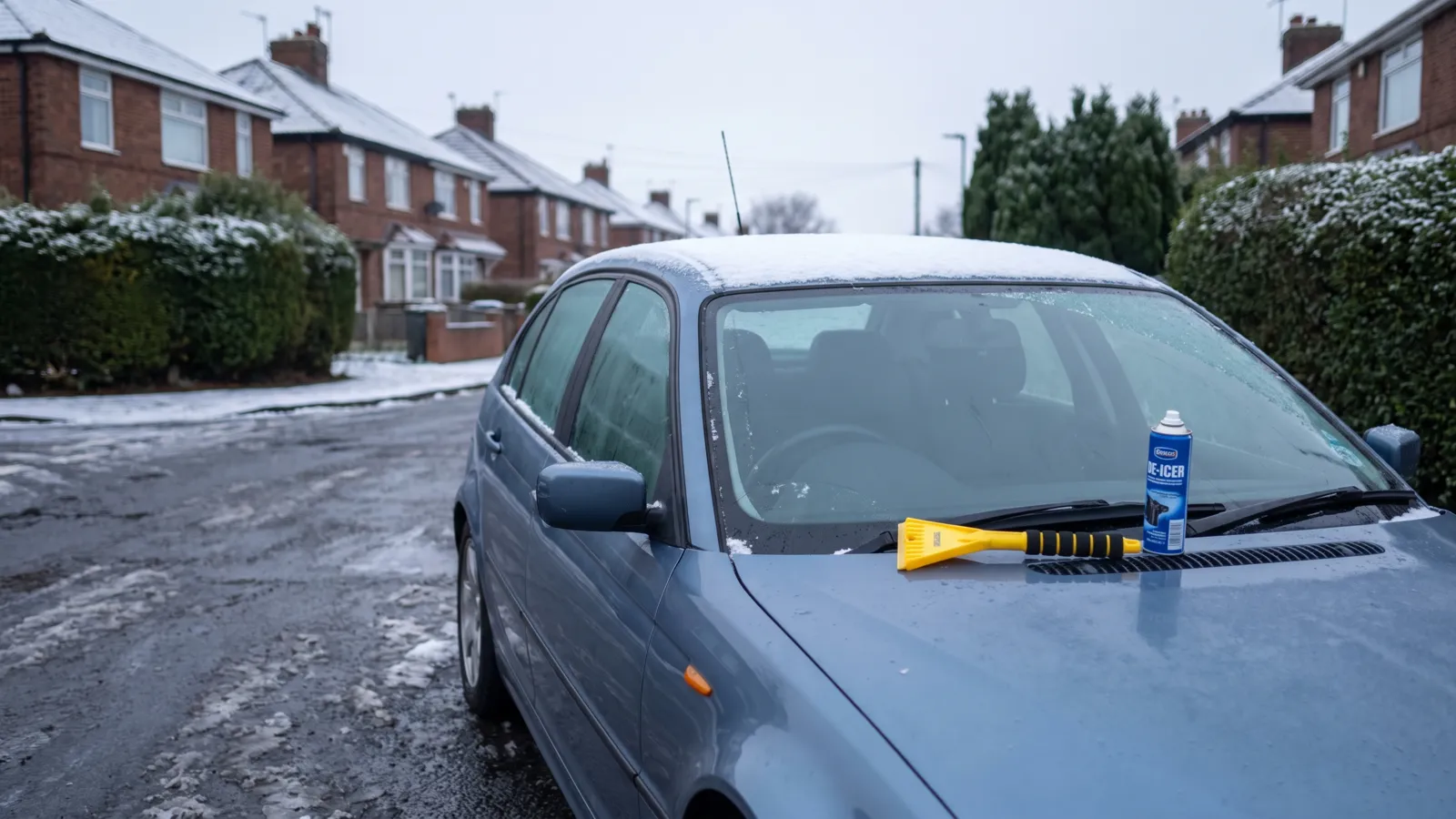
Driving in snow and ice: the Highway Code rules, technique and when not to travel
Highway Code rules 228–231 explained: clearing snow and ice legally, tyres, gentle-input technique, black ice, and when the right call is not to drive.
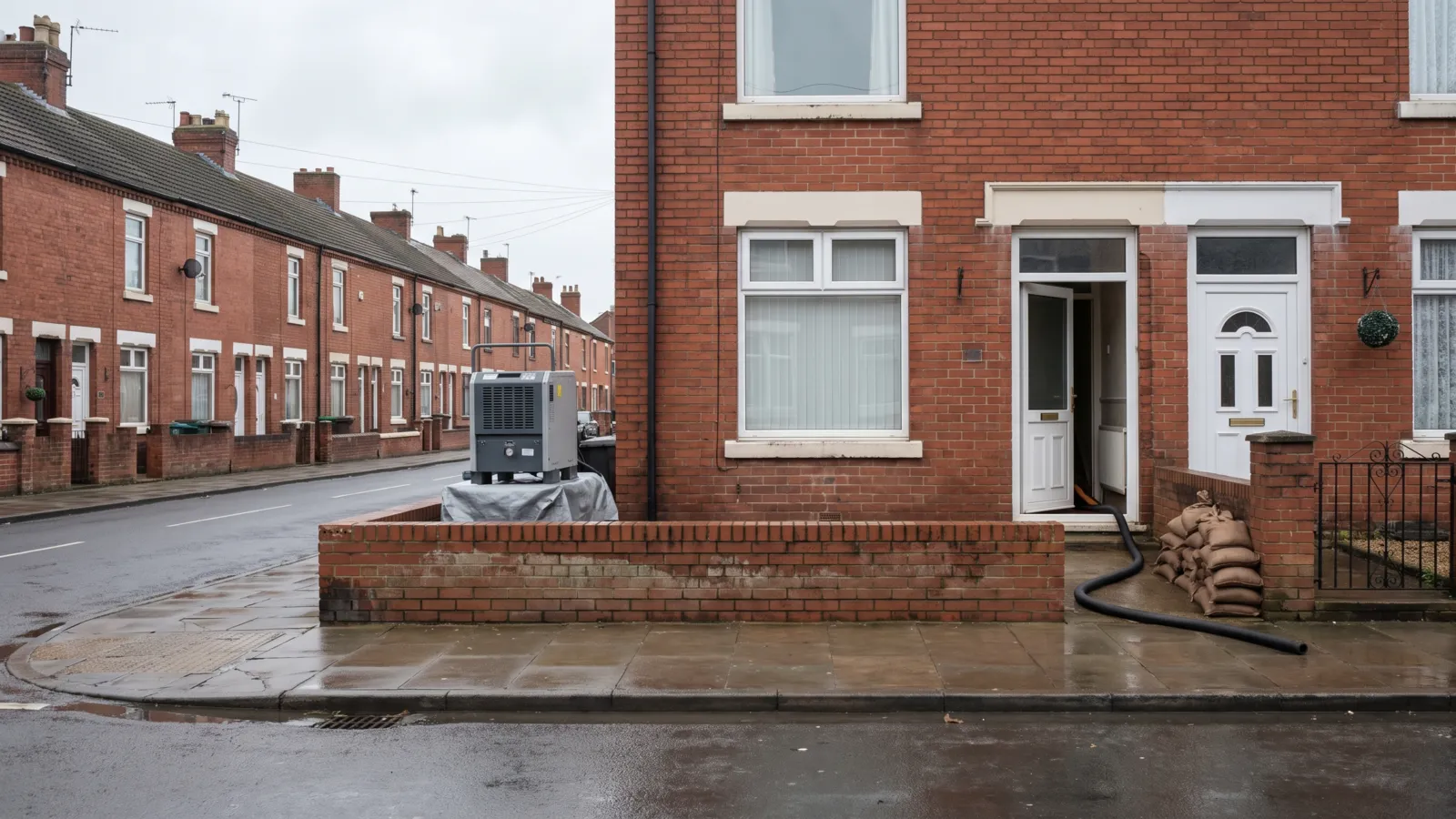
After a flood: the first 48 hours, drying out and the insurance claim
What to do after a flood in the UK: safety checks before re-entry, contaminated-water hygiene, drying out properly, and how to run the insurance claim.
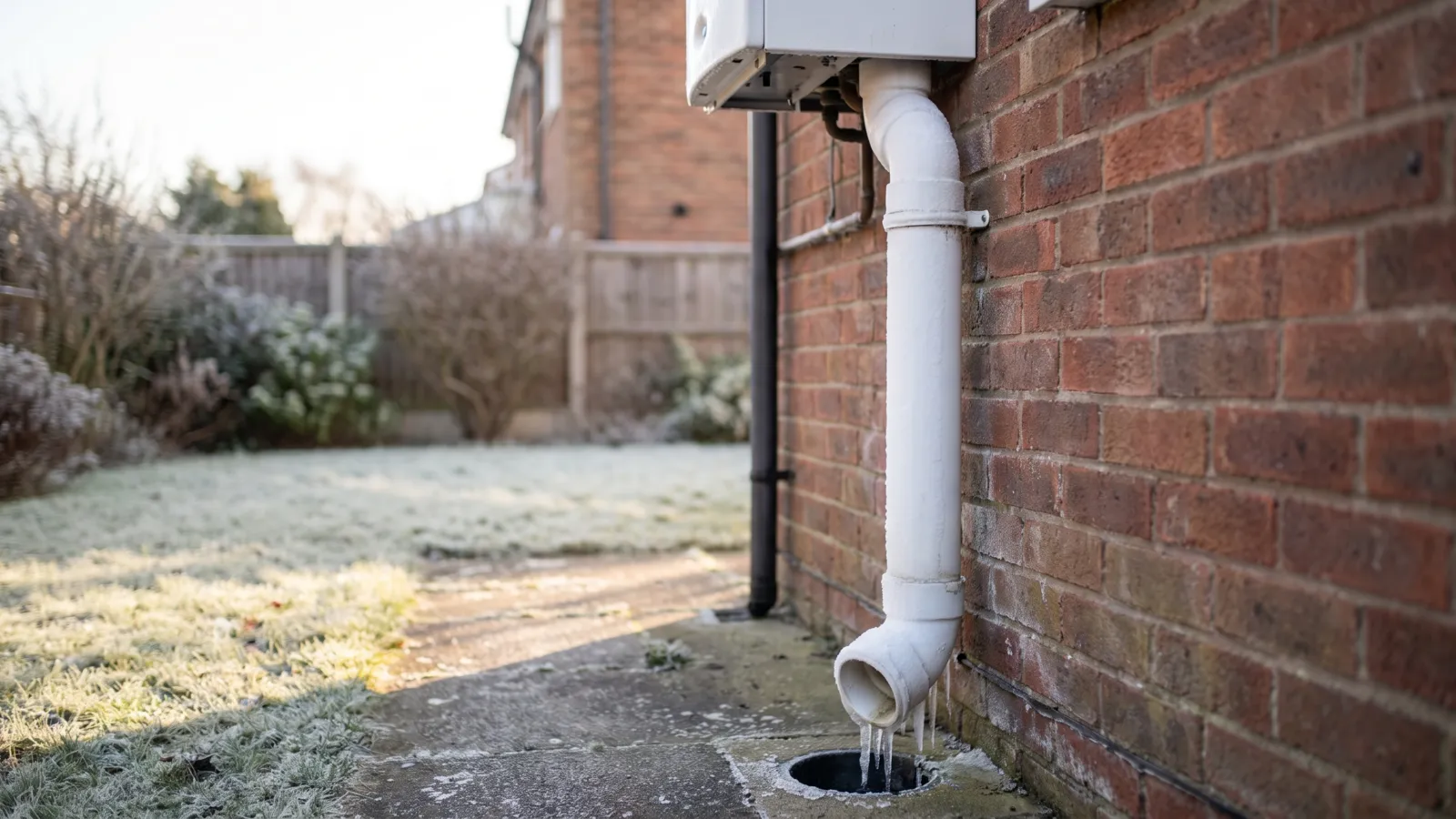
Boiler stopped in the cold? Thawing a frozen condensate pipe safely
How to tell a frozen condensate pipe from a real boiler fault, thaw it safely with warm water, reset the boiler, and stop it freezing again.
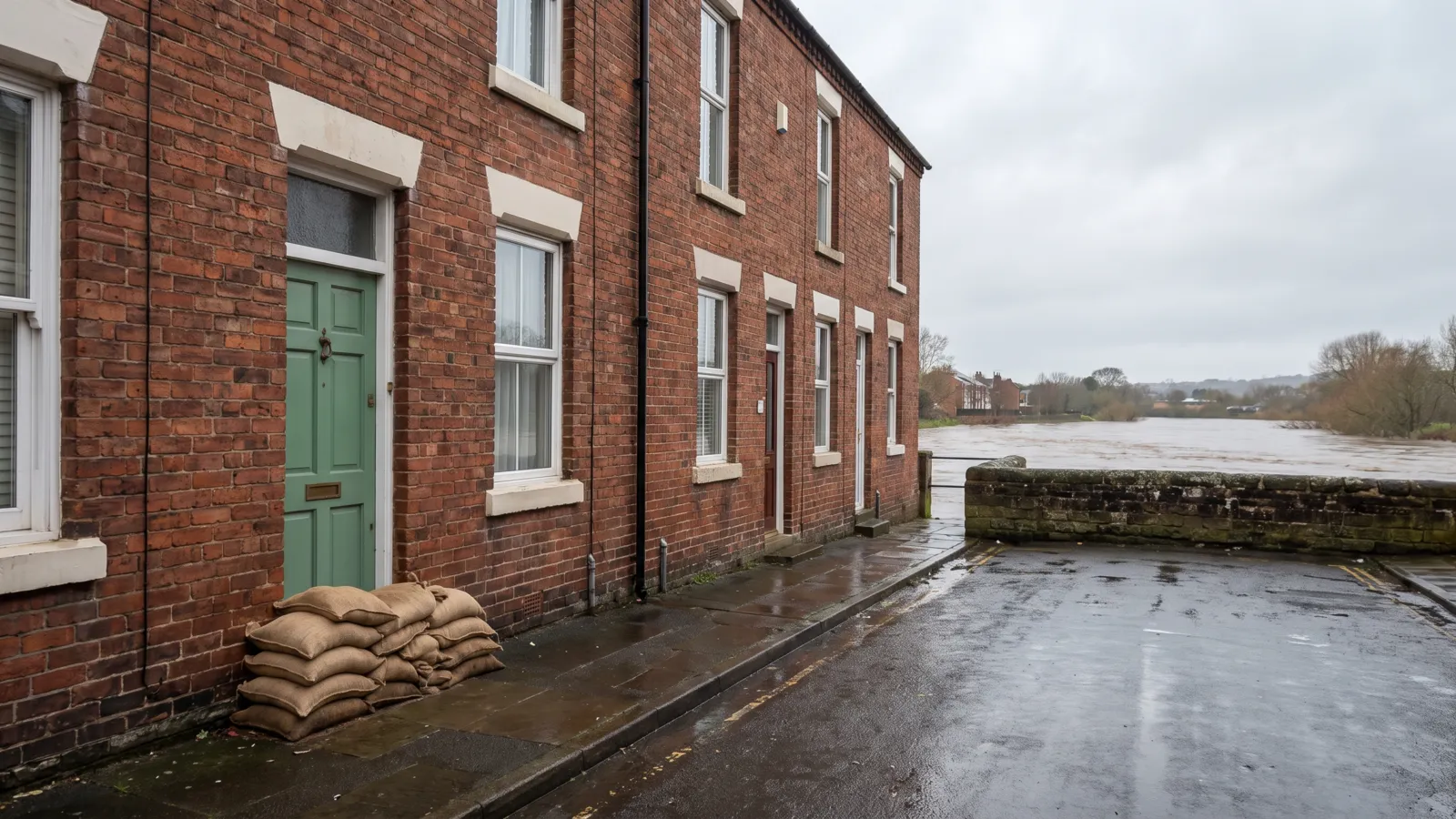
Flood alerts vs flood warnings: what each level means and what to do
What flood alerts, flood warnings and severe flood warnings mean, how much time each typically gives you, and the concrete actions to take at each stage.
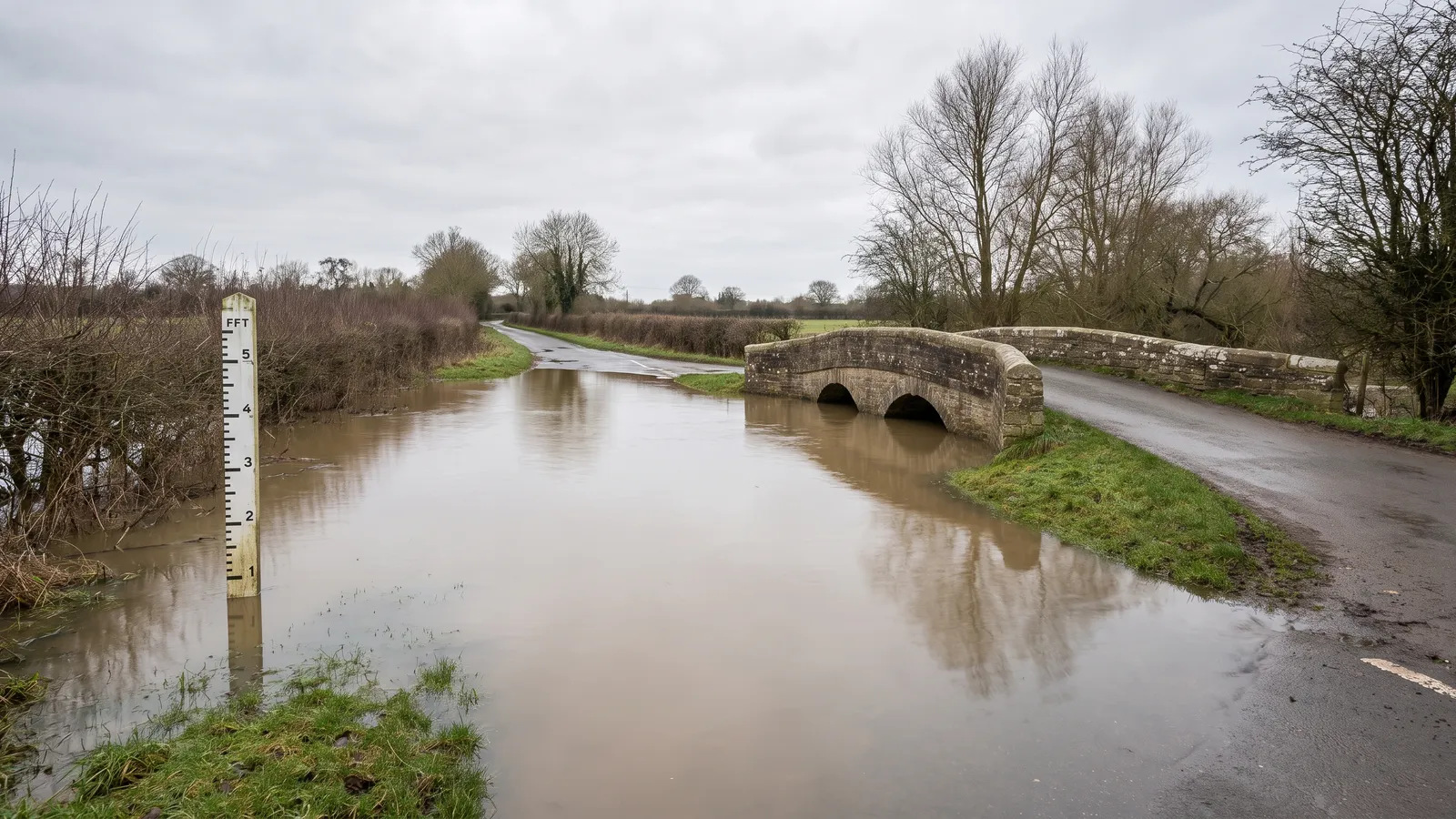
How to drive through flood water — and when you must not
How to drive through flood water safely if you have no choice — the real depth limits (30cm of moving water can float a car), the technique, and what the law says.

How to stay warm without turning the heating on
How to stay warm at home without turning the heating on — warm the person, then the zone, then the room, with the costs per hour that make each step worth it.
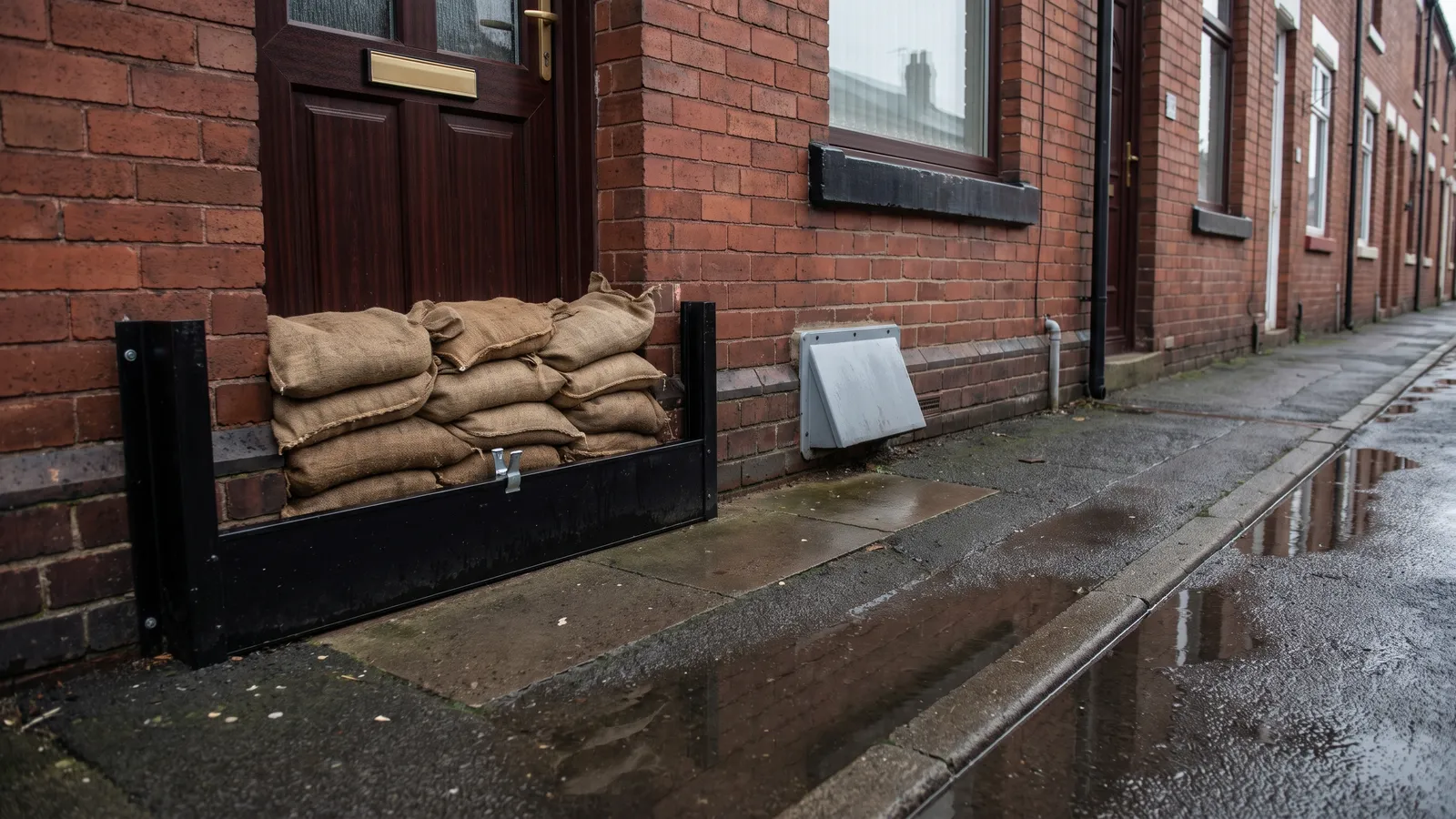
Sandbags and flood barriers: where to get them, how to use them, and what works better
Where to get sandbags in the UK, how to fill and stack them correctly, and why the Environment Agency says flood barriers and air-brick covers usually work better.
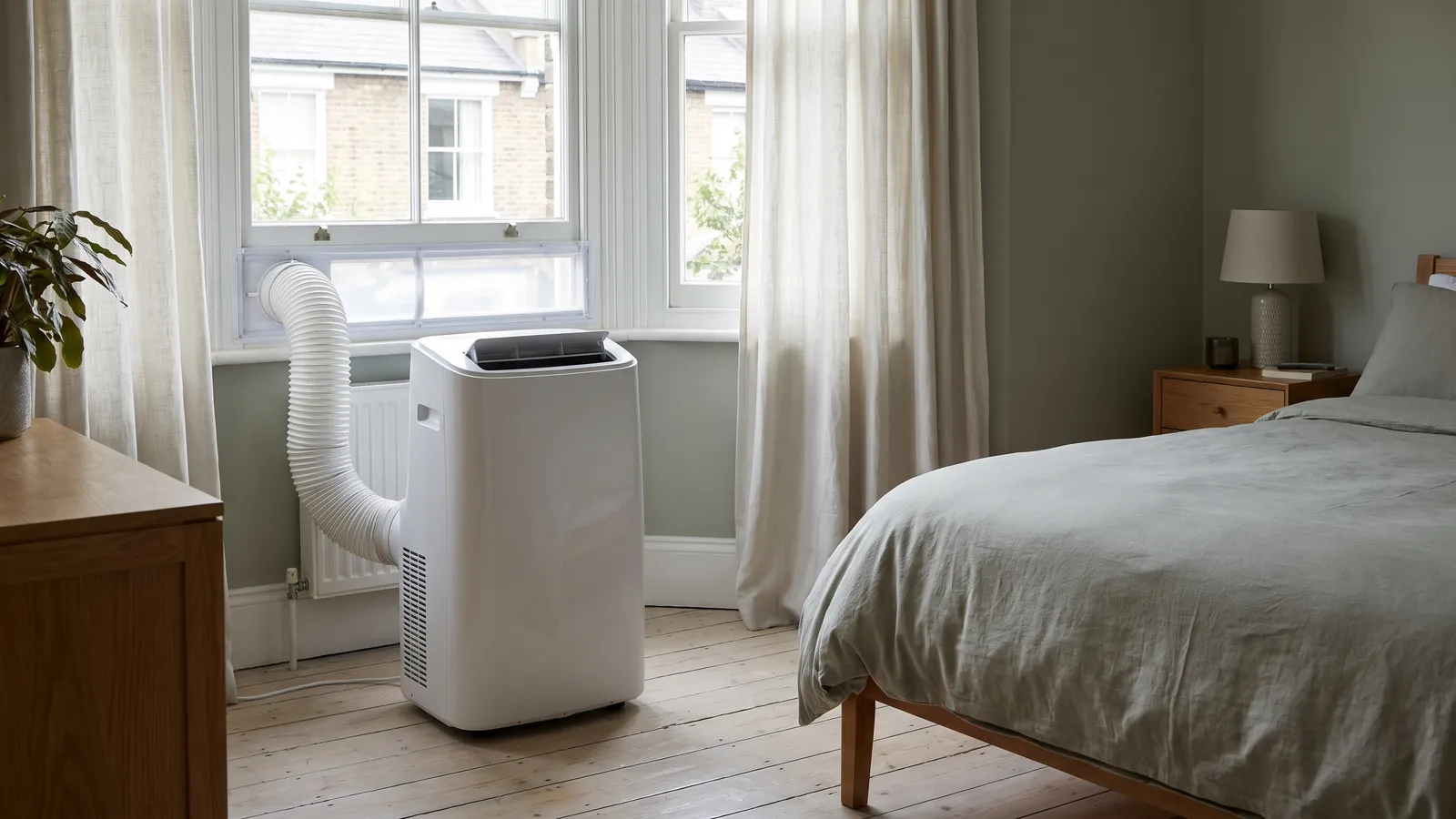
Are portable air conditioners worth it in a UK home?
A calm, honest look at portable air con for UK homes: when a fan and night-purge is enough, the BTU sizing rule, and what one really costs to run at the Ofgem cap.
Heat-health alerts explained: what yellow, amber and red mean
What the UKHSA Heat-Health Alert colours mean, how they differ from Met Office heat warnings, and the calm, practical steps to take at each level.
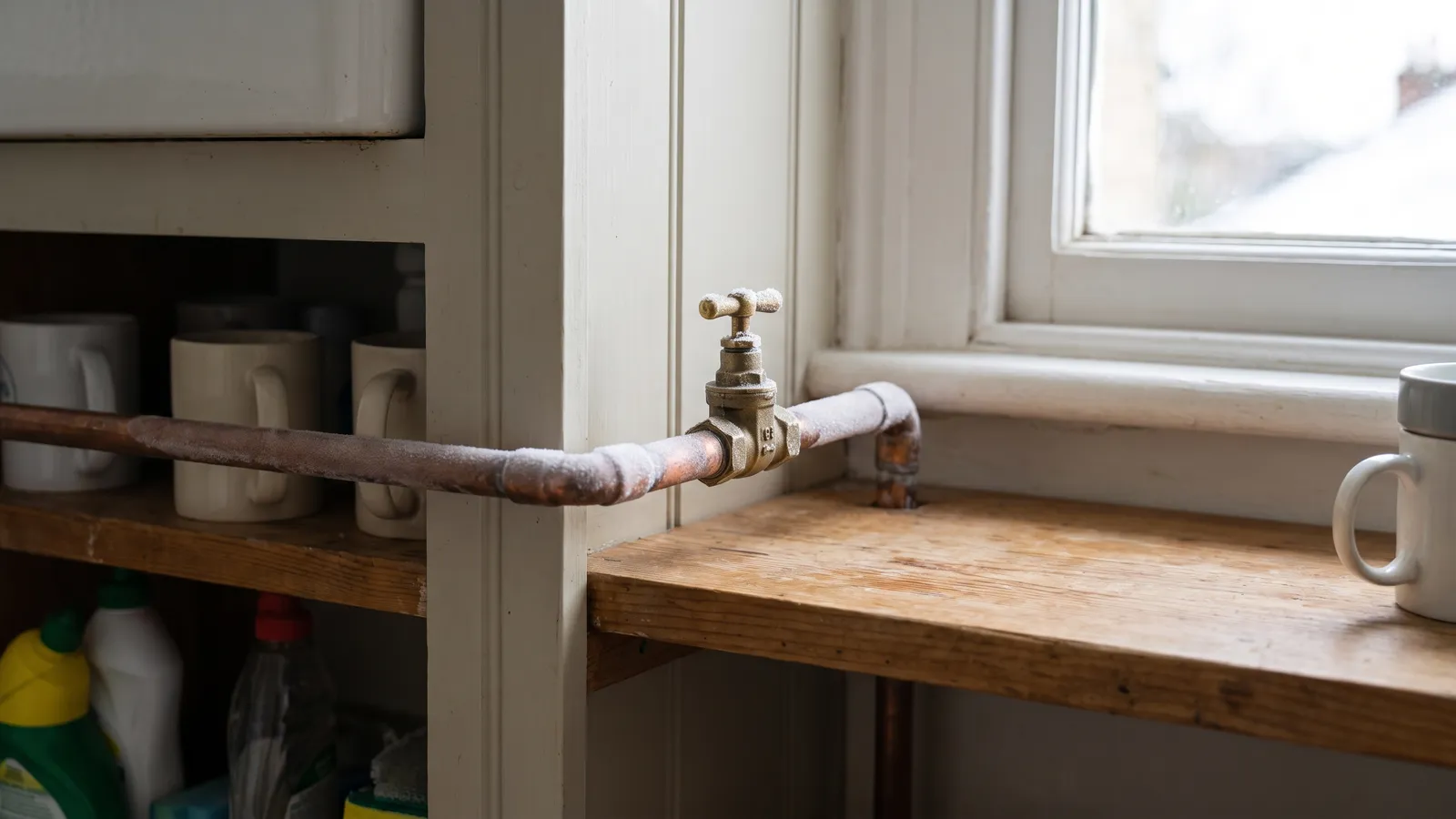
Frozen and burst pipes: prevent, thaw, and act fast
How to stop pipes freezing, thaw a frozen pipe safely, and act fast if one bursts — one of the most preventable and expensive winter household disasters.

Cold-Health Alerts and staying safe in cold weather
What the UKHSA Cold-Health Alert colours mean, who's most at risk in cold weather, and the practical, sourced steps to keep a household warm and well.
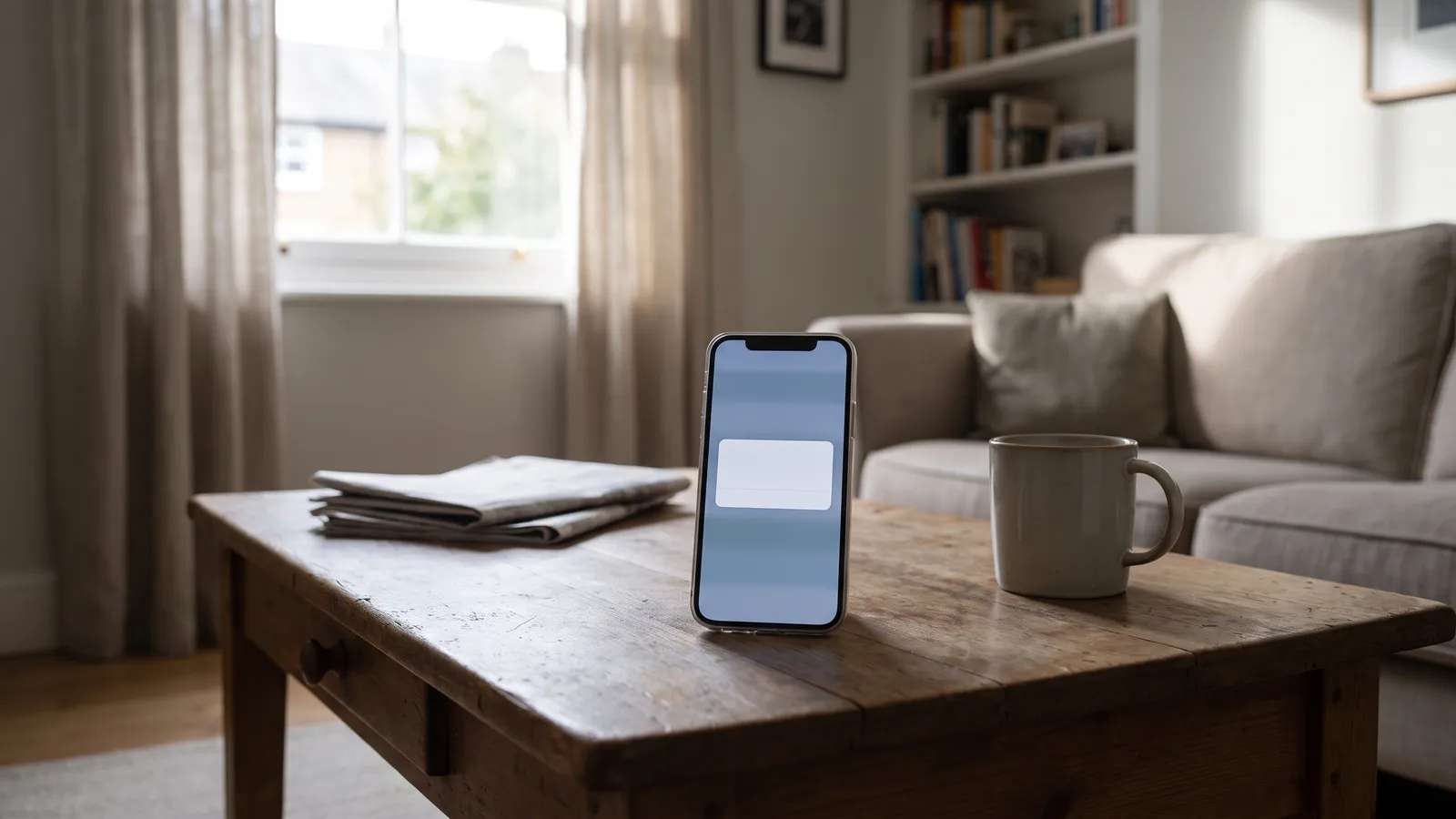
UK Emergency Alerts: the siren on your phone, explained
What the loud siren means, when the government sends Emergency Alerts, what a real one looks like, and how — and when not — to turn them off.
Preparing for winter storms & power cuts
How UK storm warnings work, what Arwen and Éowyn taught households, and the short pre-storm checklist that matters — sourced to the Met Office and Ofgem.

Keeping cool in a heatwave without air conditioning
What actually cools a UK home — curtains, timing, fans and water — plus the heat-health alerts to watch and who to check on. Sourced to UKHSA and the NHS.
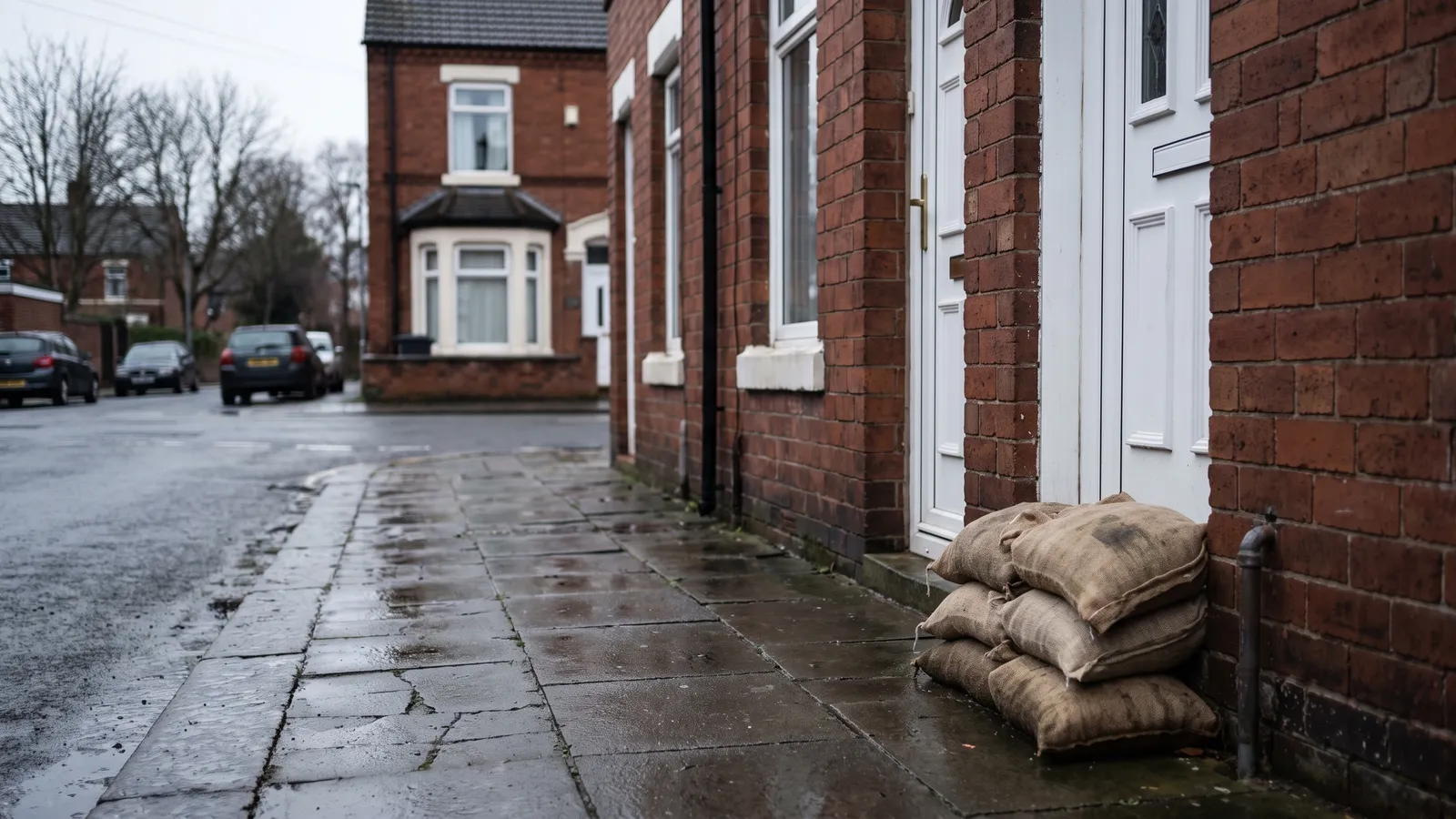
Flood preparation checklist for UK homes
Know your risk, get warnings, and what to do before, during and after a flood — the practical checklist, sourced to the Environment Agency.
Water
Storing it, purifying it, and what to do when the supply is interrupted.
No water coming out of your taps? What to do, your rights and compensation
No water from your taps? How to check if it's your pipe or the mains, fill up fast, find bottled water stations, and check the 2025 GSS compensation rates.
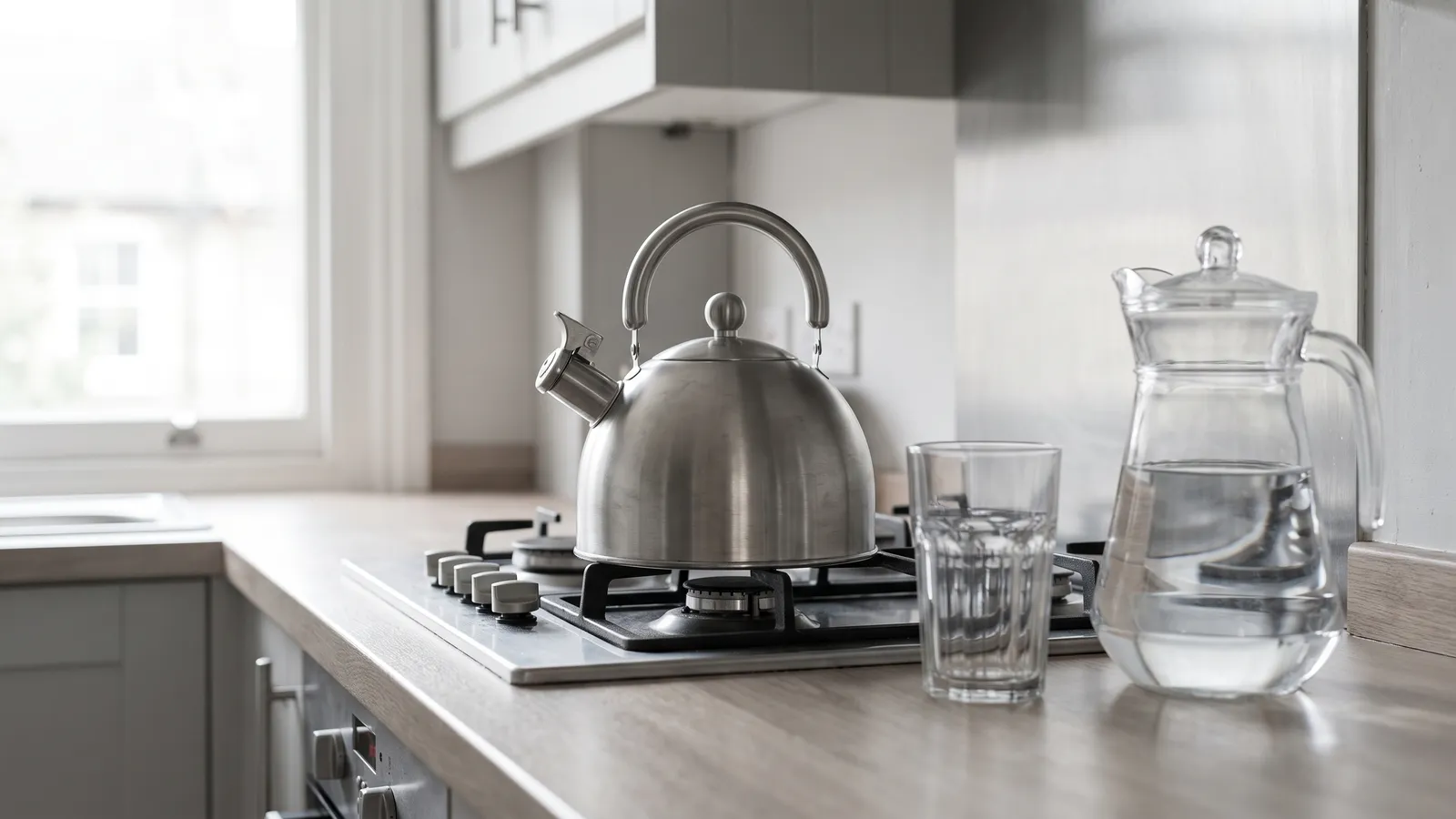
How to purify water in an emergency: safe UK methods
The ways to make water safe in an emergency — boiling, tablets and filters — what each actually removes, what none of them fix, and when UK tap water needs no kit.
Is UK tap water safe to drink?
A calm, sourced answer: UK mains tap water is among the safest in the world. What the regulation says, why taste isn't safety, and the one genuine caveat — lead pipes.
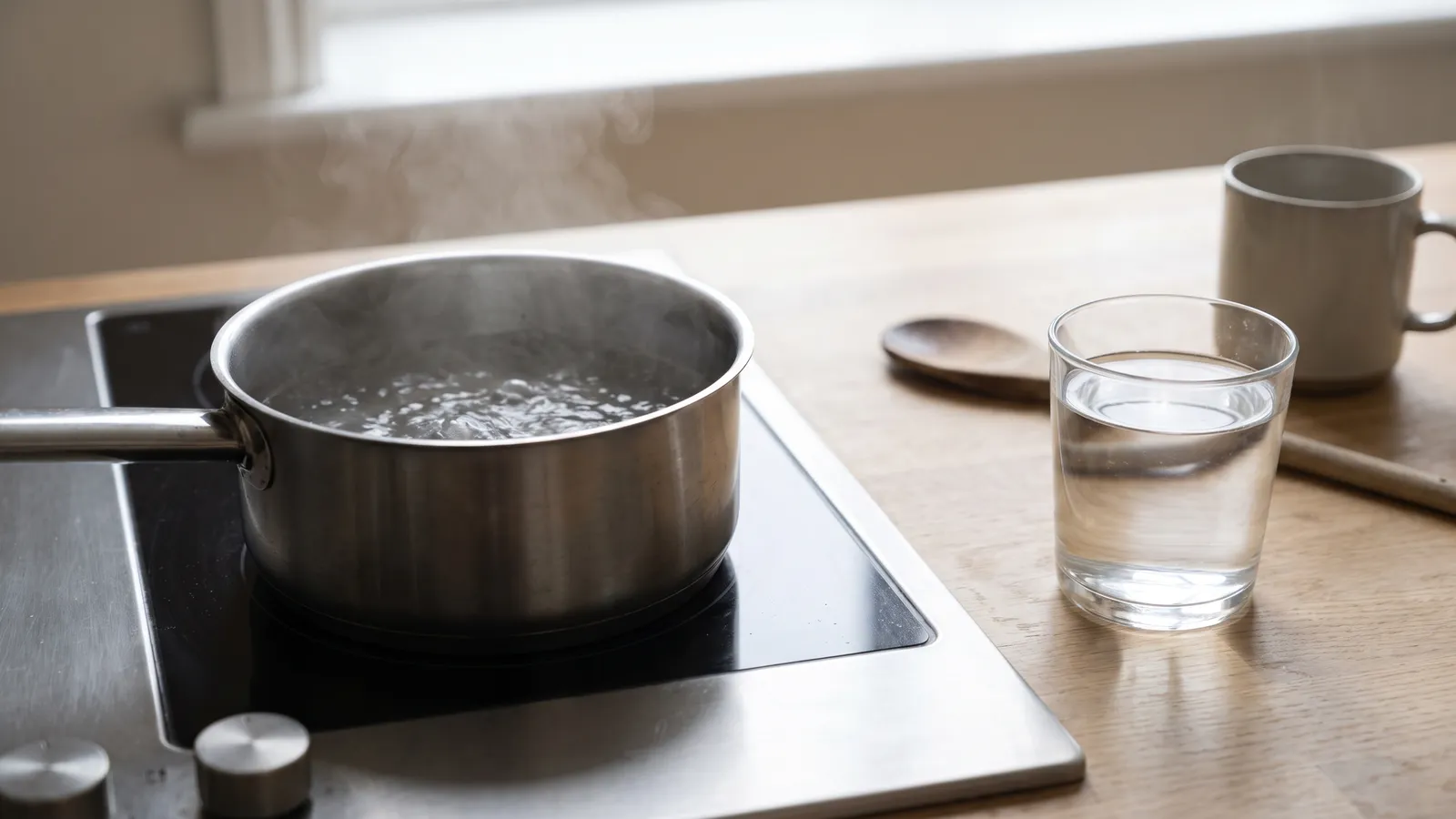
Boil water notices: exactly what to do
What a boil water notice means, precisely how to make tap water safe, what you can and can't use the tap for, and how it differs from a 'do not drink' notice.
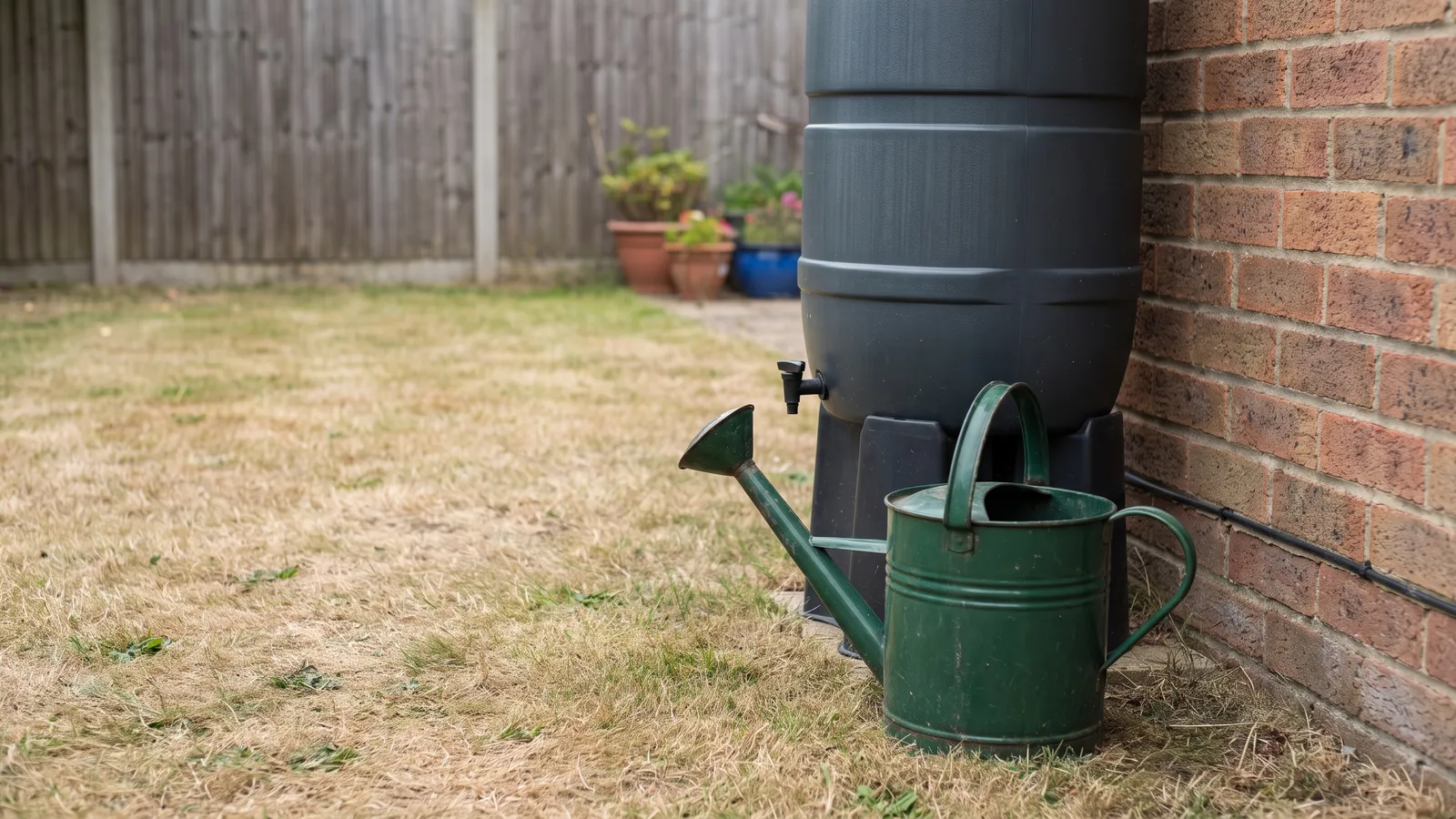
Hosepipe ban rules: what you can and can't do
What a Temporary Use Ban actually restricts, what's still allowed, the exemptions, the £1,000 fine, and how to keep a garden alive — in plain English.
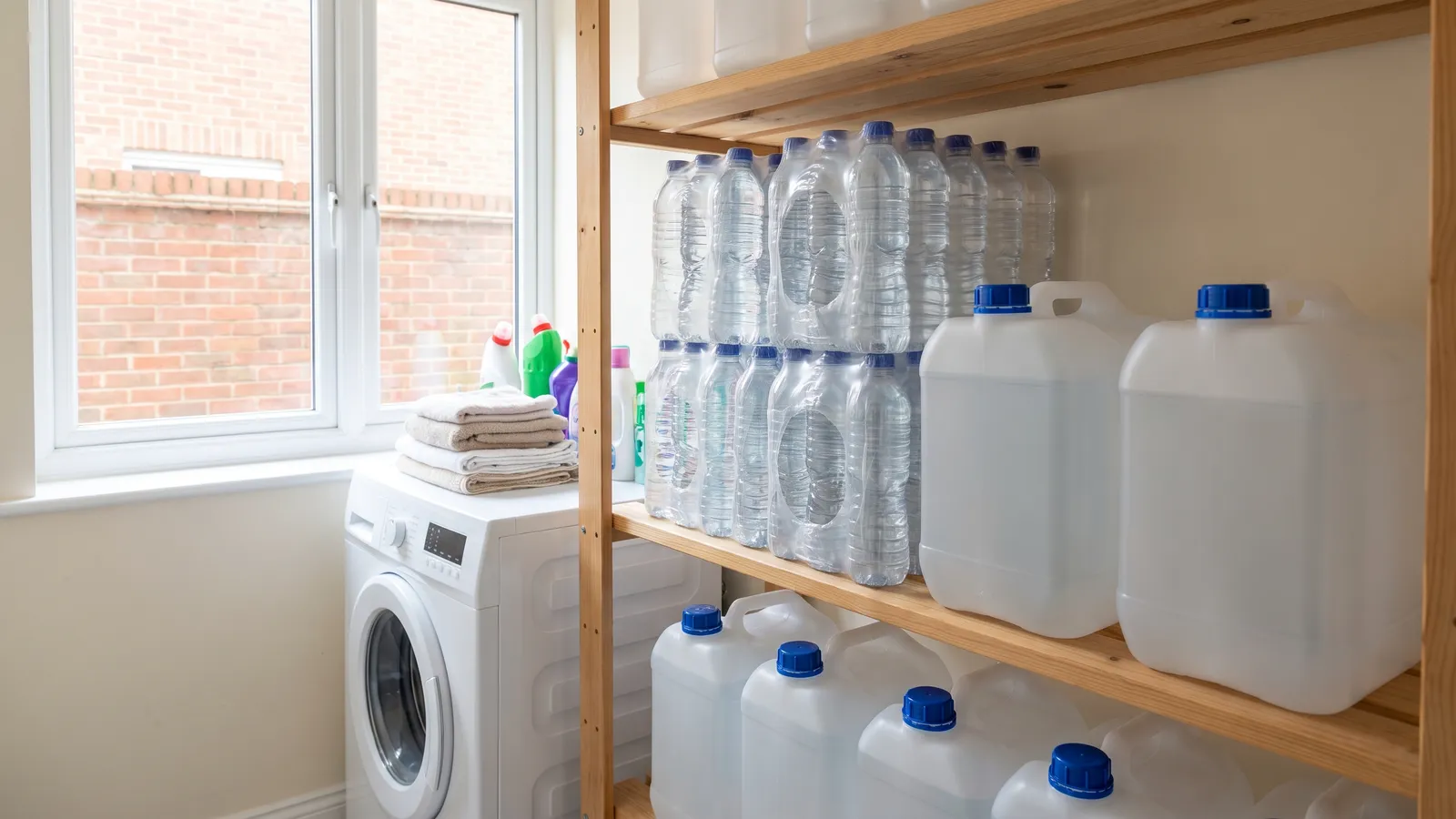
How to store emergency water at home
How much water your household actually needs, the cheapest way to store it, how to keep it safe, and what to do in a drought — from official UK guidance.
Fire, gas & first aid
The safety fundamentals — alarms, escape plans, burns, CO and gas.
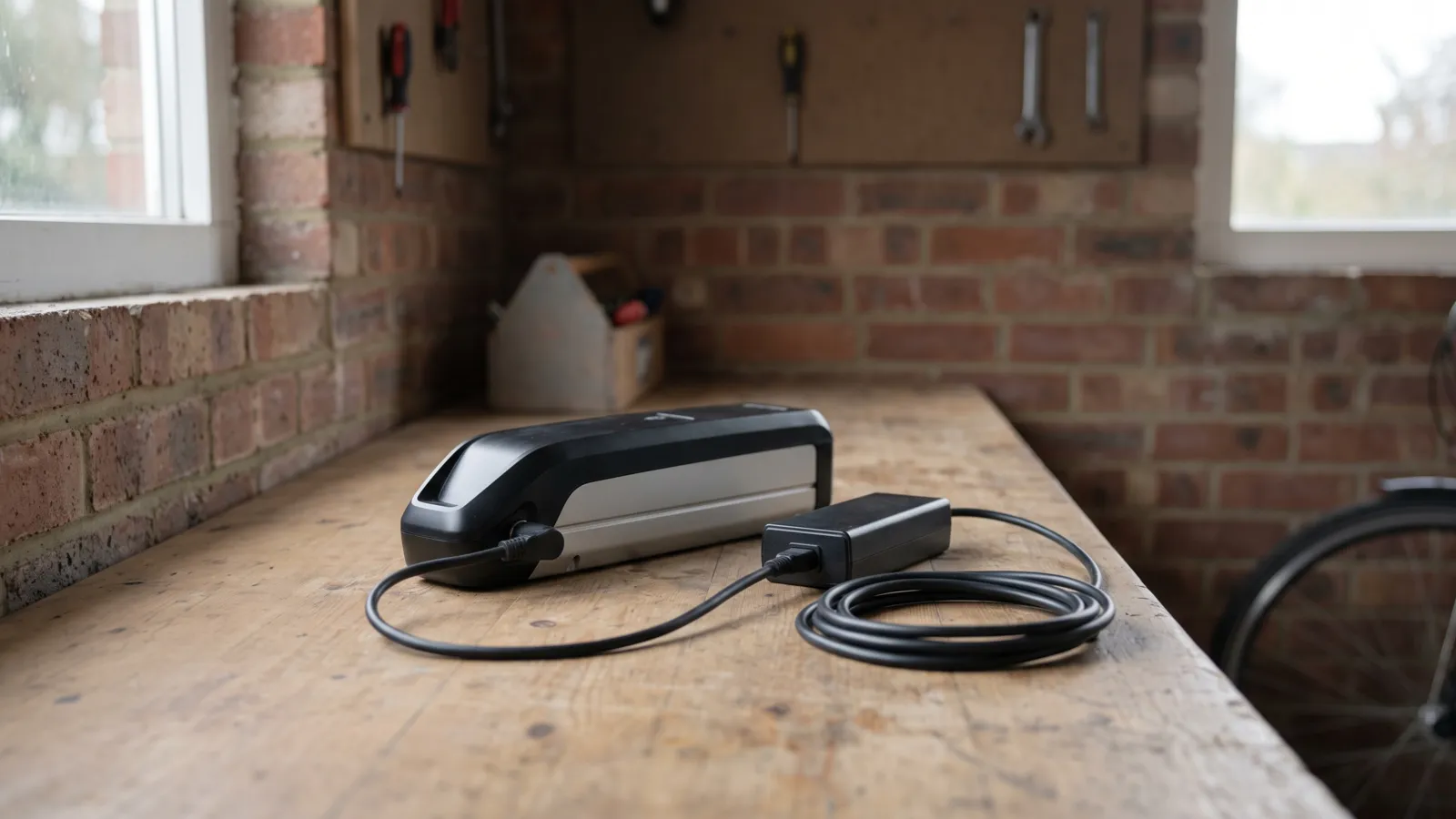
Lithium battery fires: charging e-bikes, power banks and phones safely
Why lithium batteries fail, the charging rules that prevent fires, warning signs of a failing pack, and how to dispose of batteries safely in the UK.
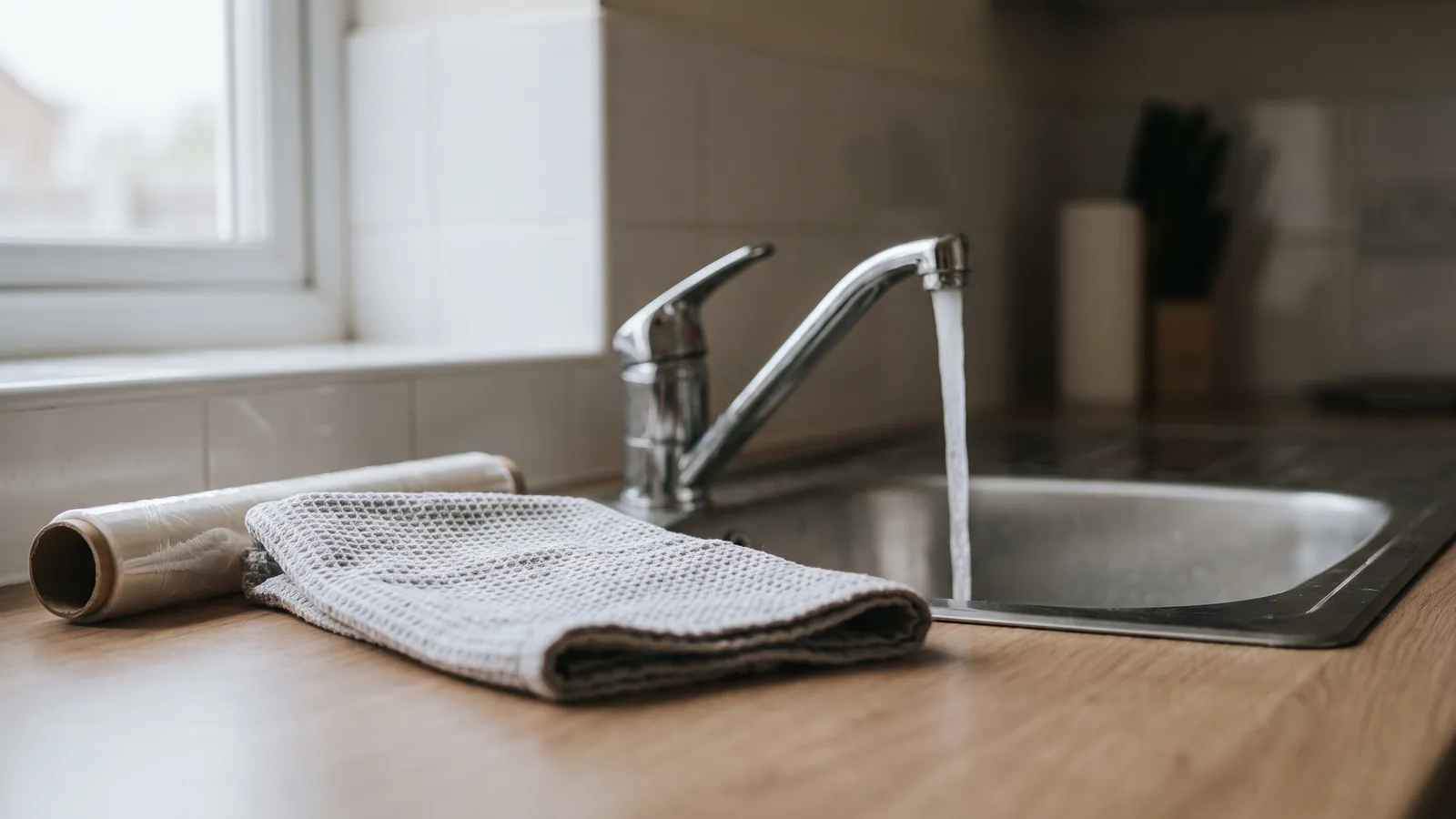
How to treat a burn or scald: the first-aid steps that matter
The NHS first-aid sequence for burns and scalds: cool under running water for at least 20 minutes, no ice or creams, cover with cling film, and the clear 999/A&E triggers.
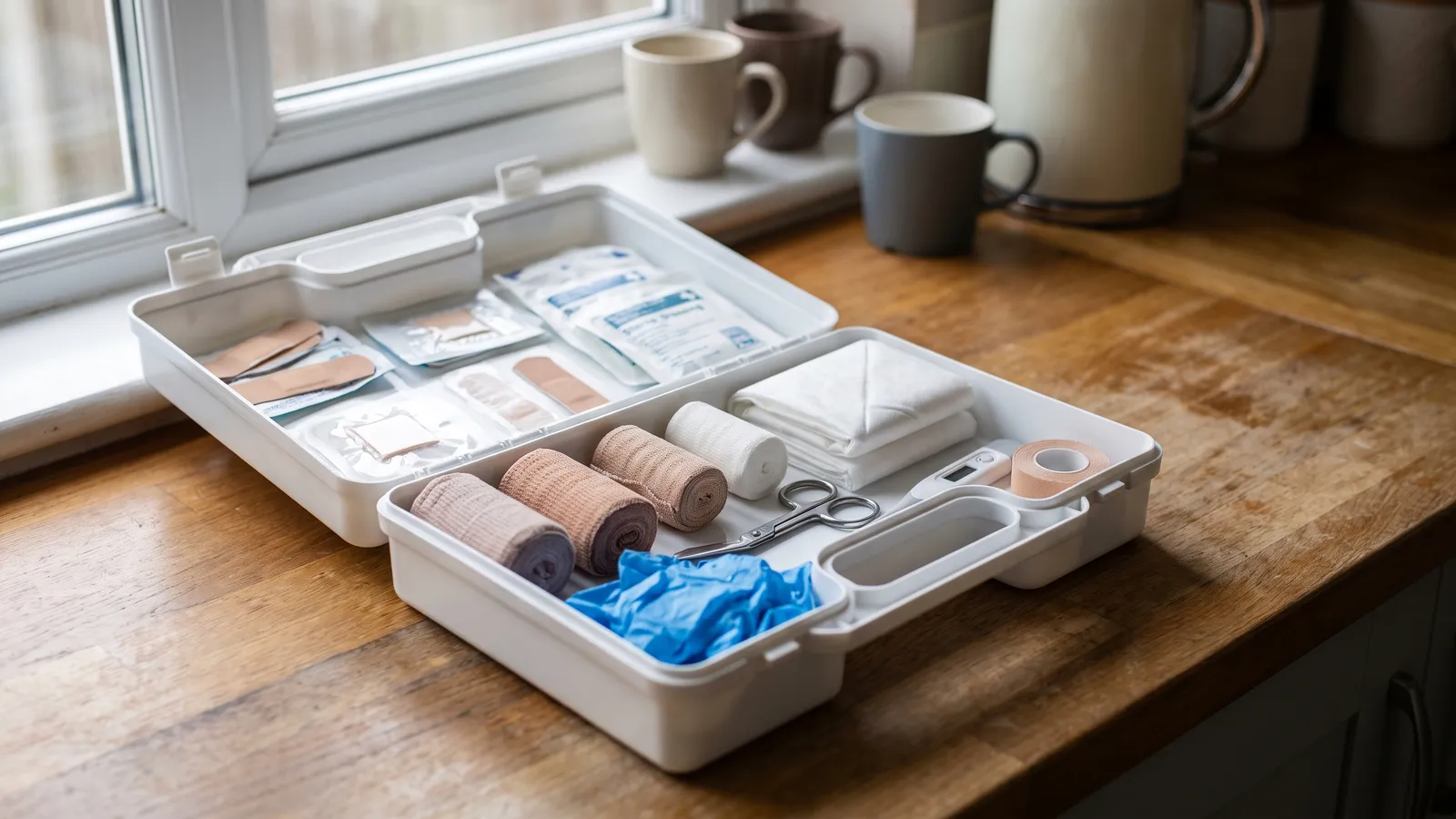
What should be in a home first aid kit: a UK checklist
A calm UK checklist for a home first aid kit — sensible quantities room by room, sourced to the NHS and British Red Cross, plus the kit you can skip.
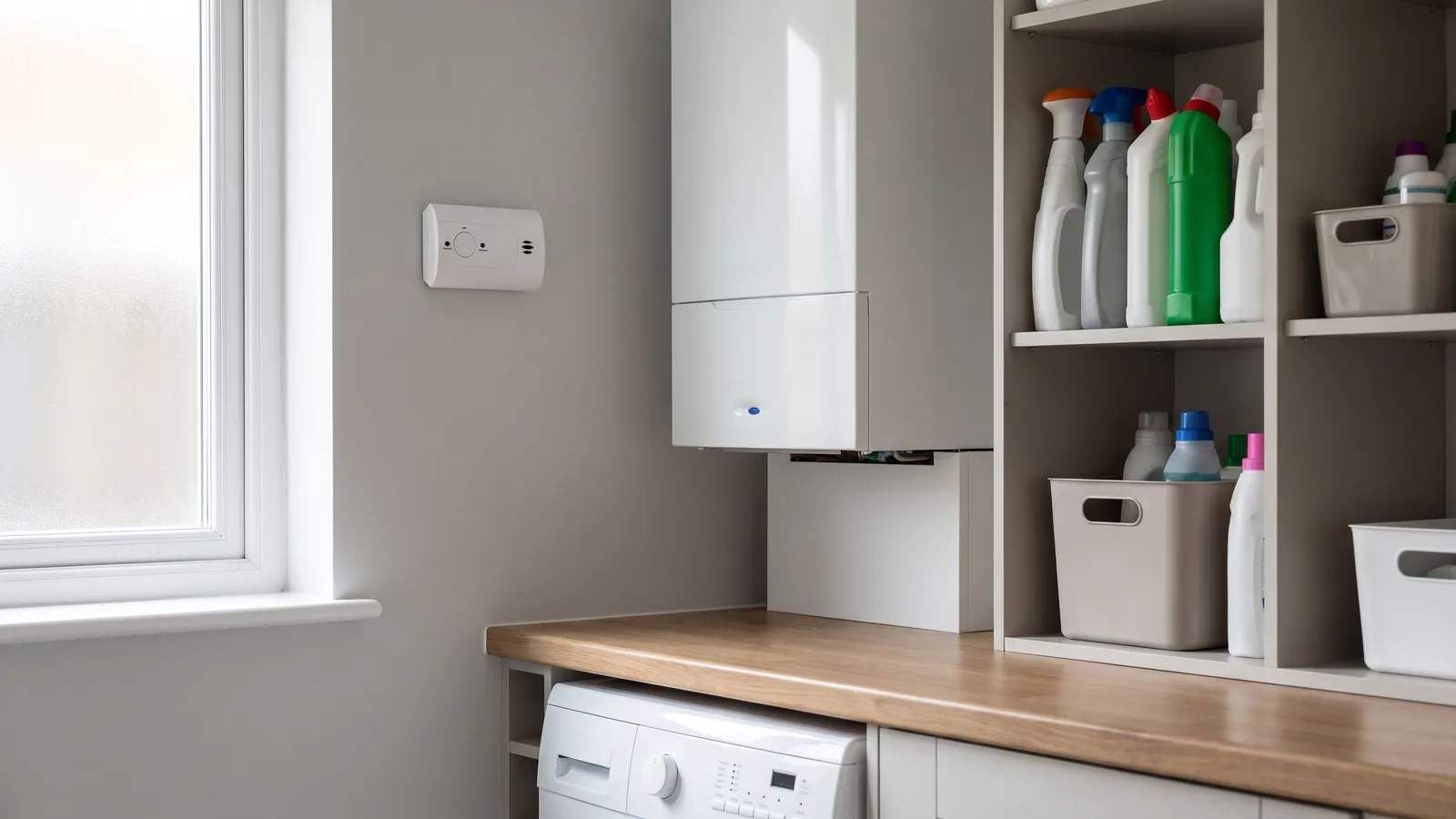
Carbon monoxide poisoning: the symptoms and the six sources in your home
The NHS symptoms of carbon monoxide poisoning, the two tells that separate it from flu, the six sources in your home, and why only an alarm can detect it.
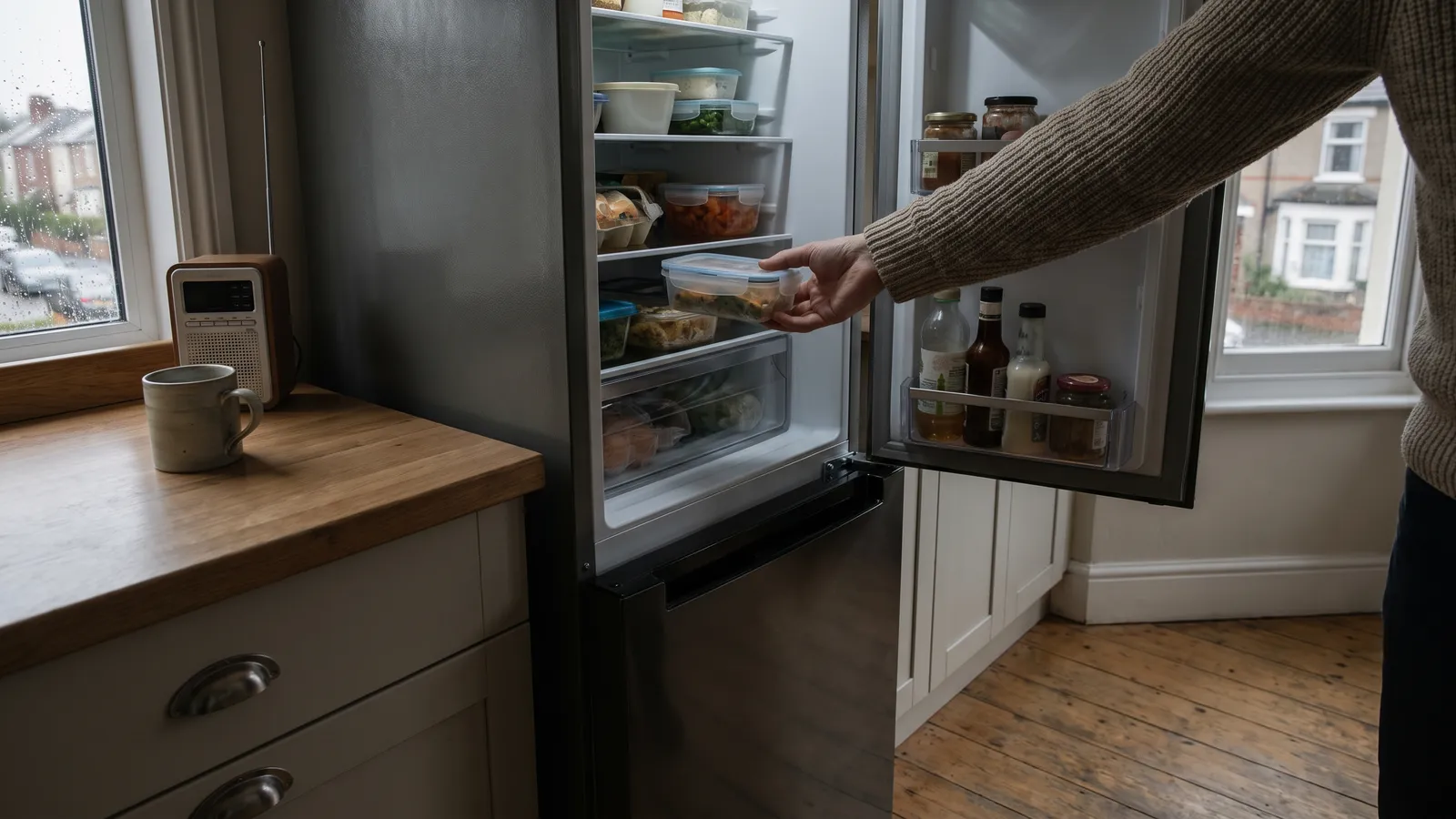
Power cut food safety: is your fridge and freezer food still safe?
How long fridge and freezer food stays safe in a power cut — with an interactive checker, from official Food Standards Agency guidance.
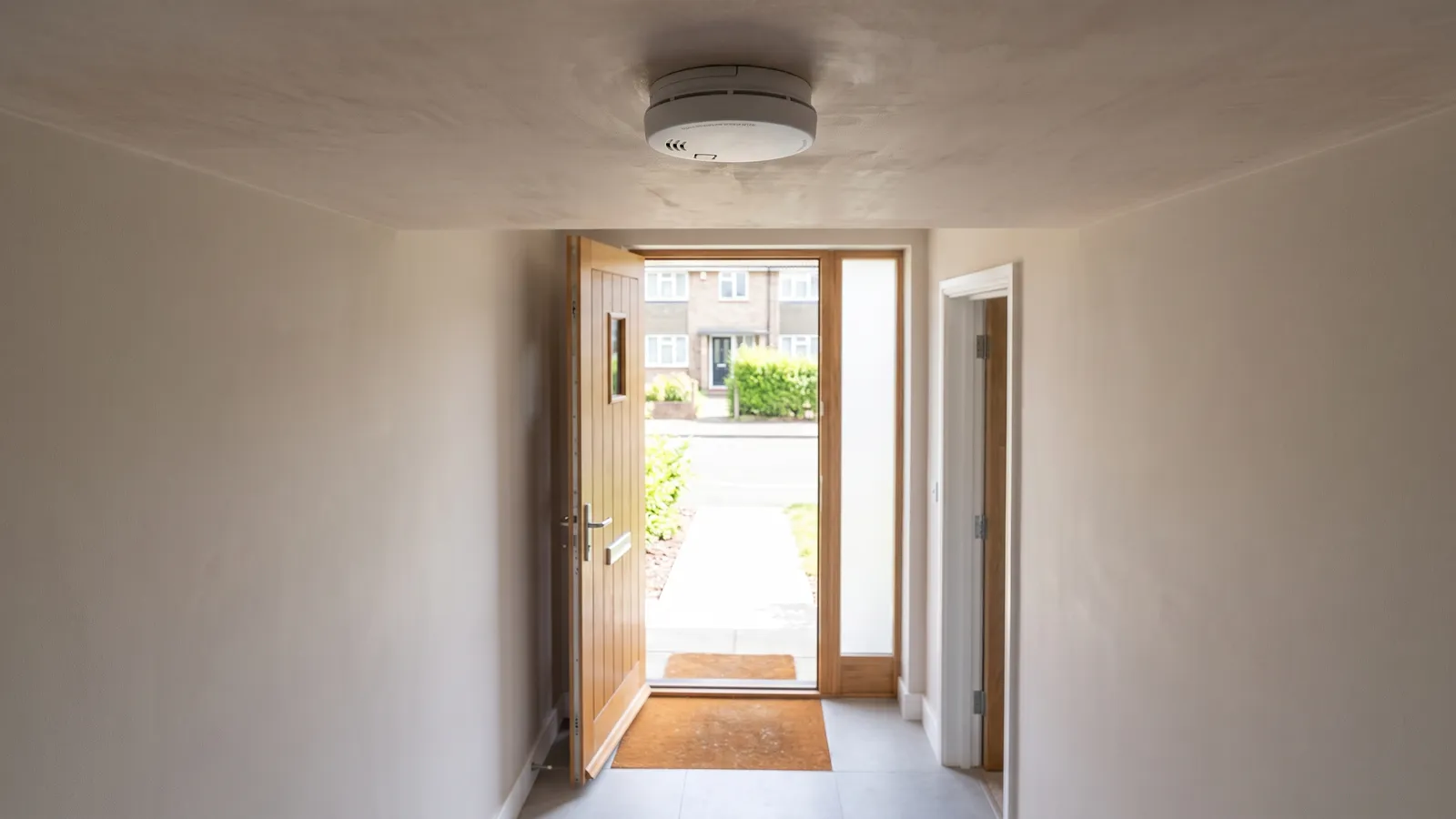
What to do in a house fire
The fire service's own advice: get out, stay out, call 999 — plus how to plan your escape, what to do if you're trapped, and why smoke alarms save lives.
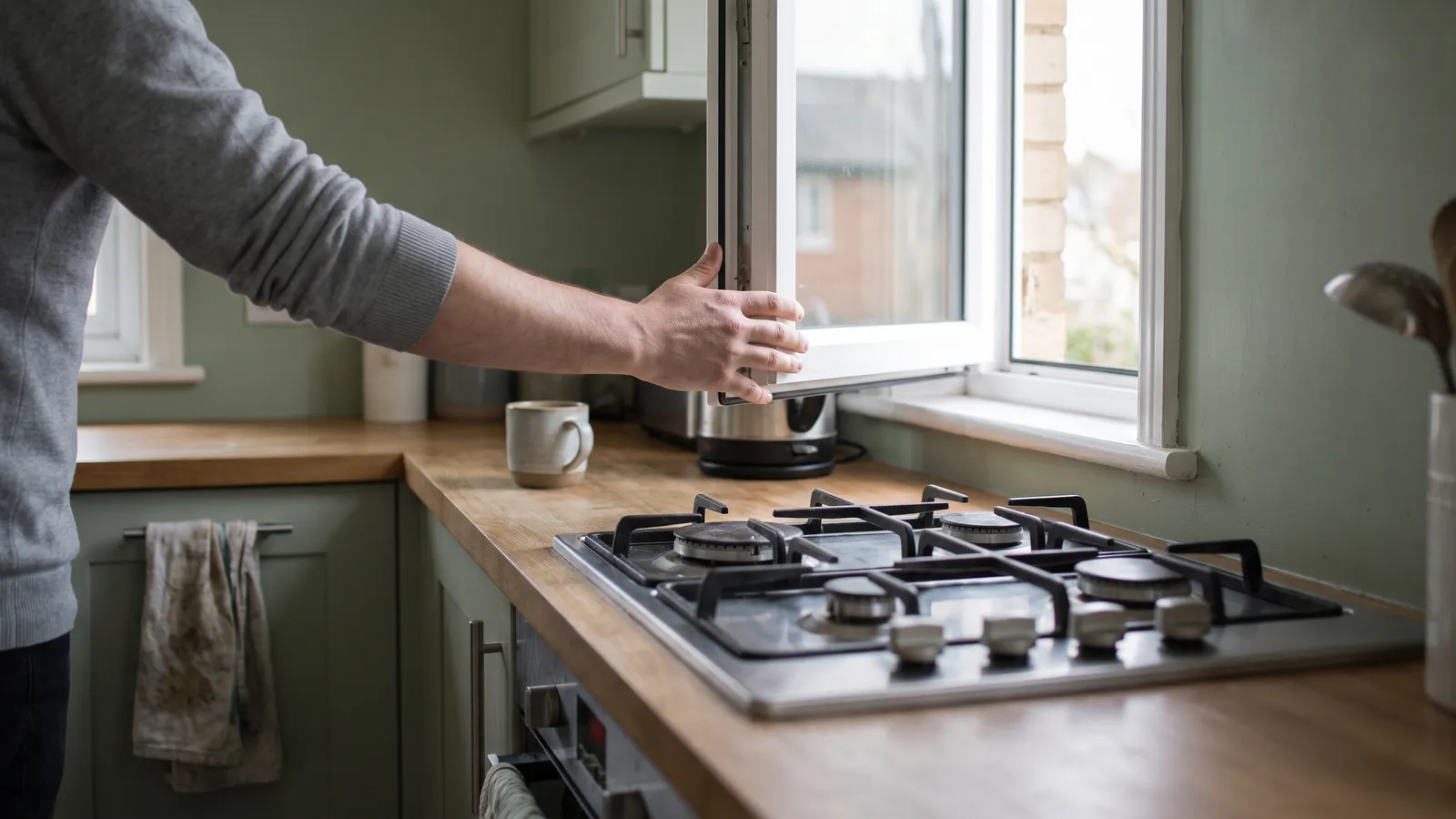
What to do if you smell gas
The correct, official steps if you smell gas or suspect a leak — the free 24-hour emergency number, what to do, what never to do, and how carbon monoxide differs.

Run, Hide, Tell: the official advice for a weapons attack
The UK's official Run, Hide, Tell protocol for a firearms or weapons attack, what each step means, how to report suspicious activity, and what Martyn's Law changes for public venues.
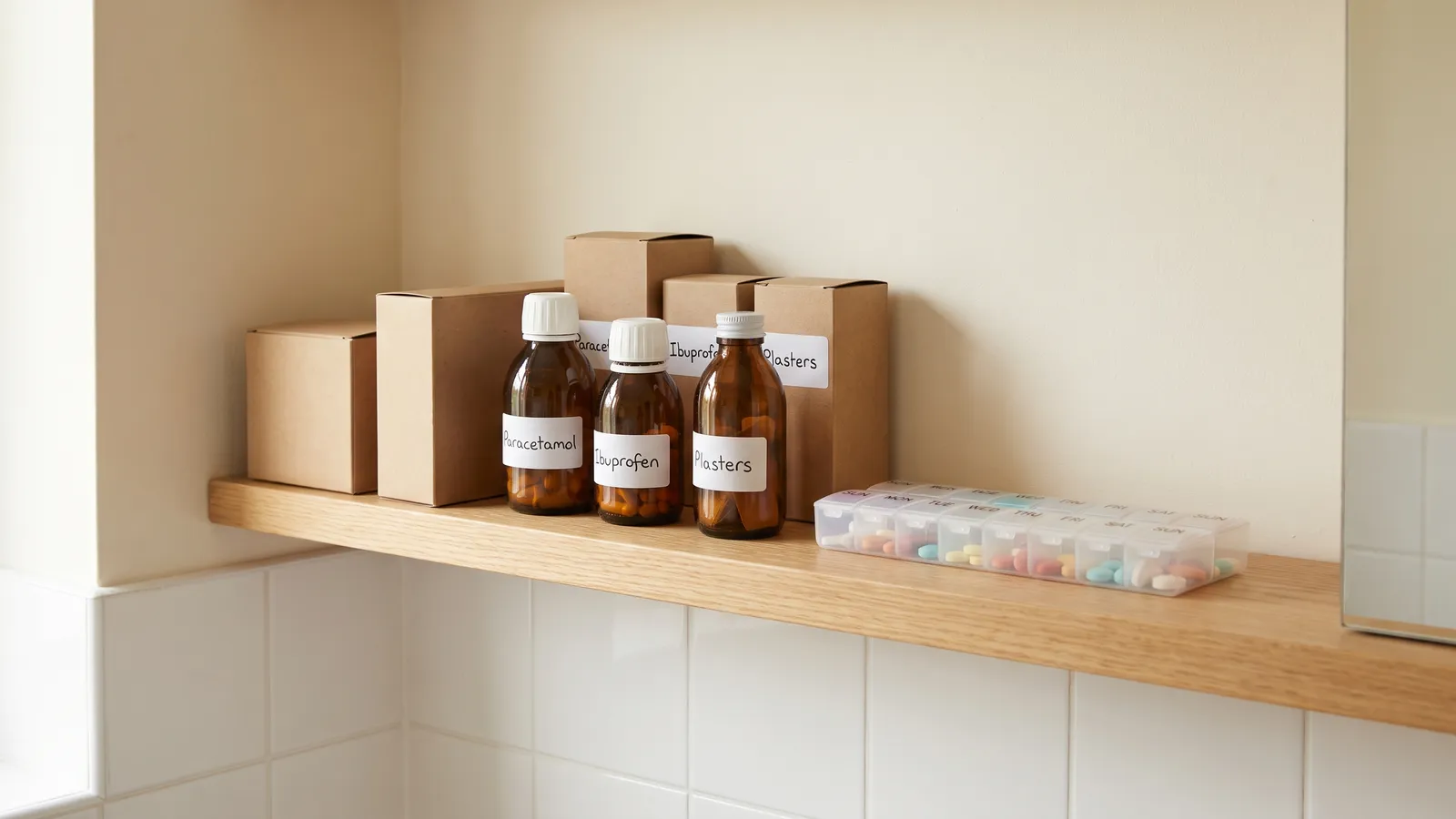
Medicine shortages: how to stay safe and supplied
Medicine supply gaps are common and usually managed. The safe, calm response — order in good time, never stockpile, and let your pharmacist help — plus how Serious Shortage Protocols work.
Money & bills
Schemes, tariffs and support you may be missing — sourced from the horse's mouth.
Council tax help: reductions, discounts and how to challenge your band
Four routes to a lower council tax bill — means-tested reduction, discounts, the disabled band scheme and a VOA band challenge — and the order to try them.

The Warm Homes Loan explained: who'll qualify and what it covers from September
Who qualifies for the Warm Homes Loan, what it covers from September 2026, and how it works with the Boiler Upgrade Scheme — confirmed vs still to come.
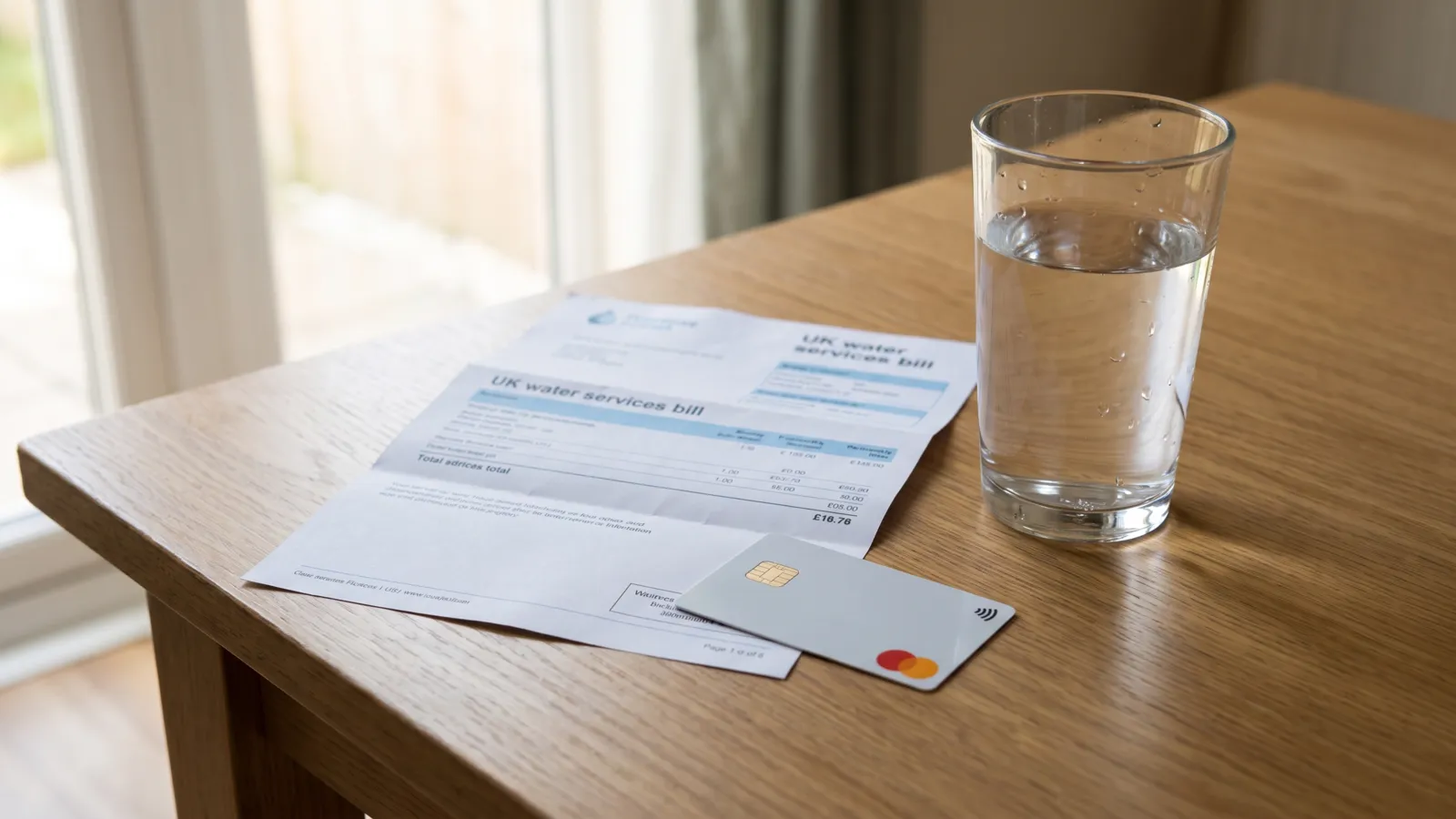
Water social tariffs: the scheme your water company runs
You can't switch water company — so the low-income scheme you can apply for depends entirely on who supplies you. All 19 England and Wales companies, what each gives you, and who qualifies.

Attendance Allowance: the benefit hundreds of thousands of older people miss
Attendance Allowance is tax-free, not means-tested help for people over State Pension age who need care or supervision — and an award can unlock Pension Credit too.

The Crisis and Resilience Fund: what replaced the Household Support Fund
The Household Support Fund closed in March 2026. Here's the fund that replaced it in England, what help you can get with food and energy, and how to apply through your council.
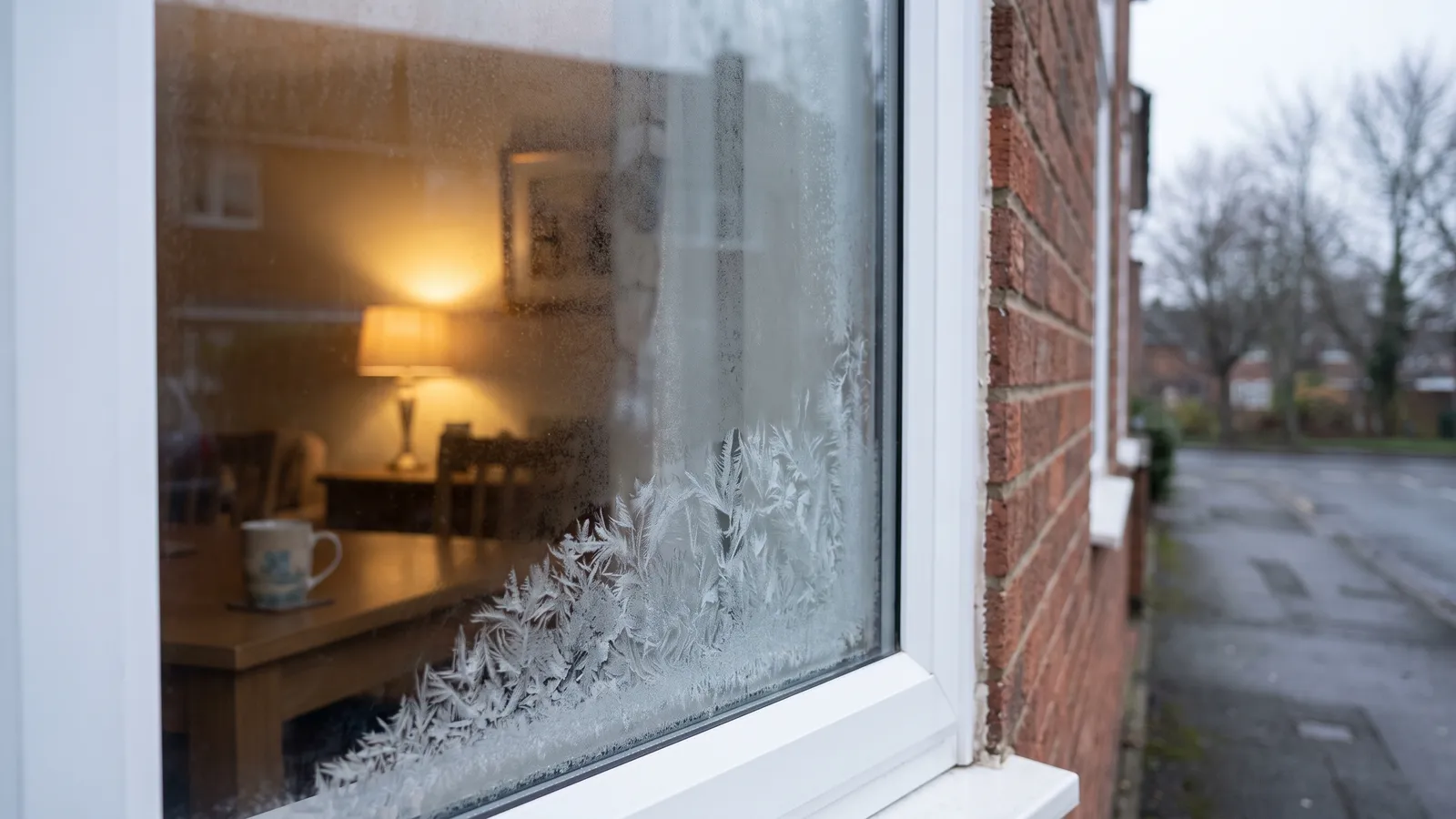
Cold Weather Payment: £25 when it turns freezing (and Scotland's £62 alternative)
How the £25 Cold Weather Payment works, who qualifies, how to check if your area has triggered one — and why Scotland gets a guaranteed £62 Winter Heating Payment instead.

Warm Home Discount 2026/27: the £150 off your electricity bill
Who qualifies for the £150 Warm Home Discount in 2026/27 after the rules were widened, how it's paid, and why most people don't need to apply — plus how Scotland differs.

Winter Fuel Payment 2026/27: what you'll get and the £35,000 catch
How much the Winter Fuel Payment is for winter 2026/27, who gets it, how the £35,000 income charge works and how opting out works — explained plainly, with the Scotland equivalent.

Pension Credit: the benefit a third of people miss
Pension Credit tops up a low income in retirement — and unlocks the Warm Home Discount, Cold Weather Payments, a free TV licence and more. Who may be eligible, and how to check in 10 minutes.
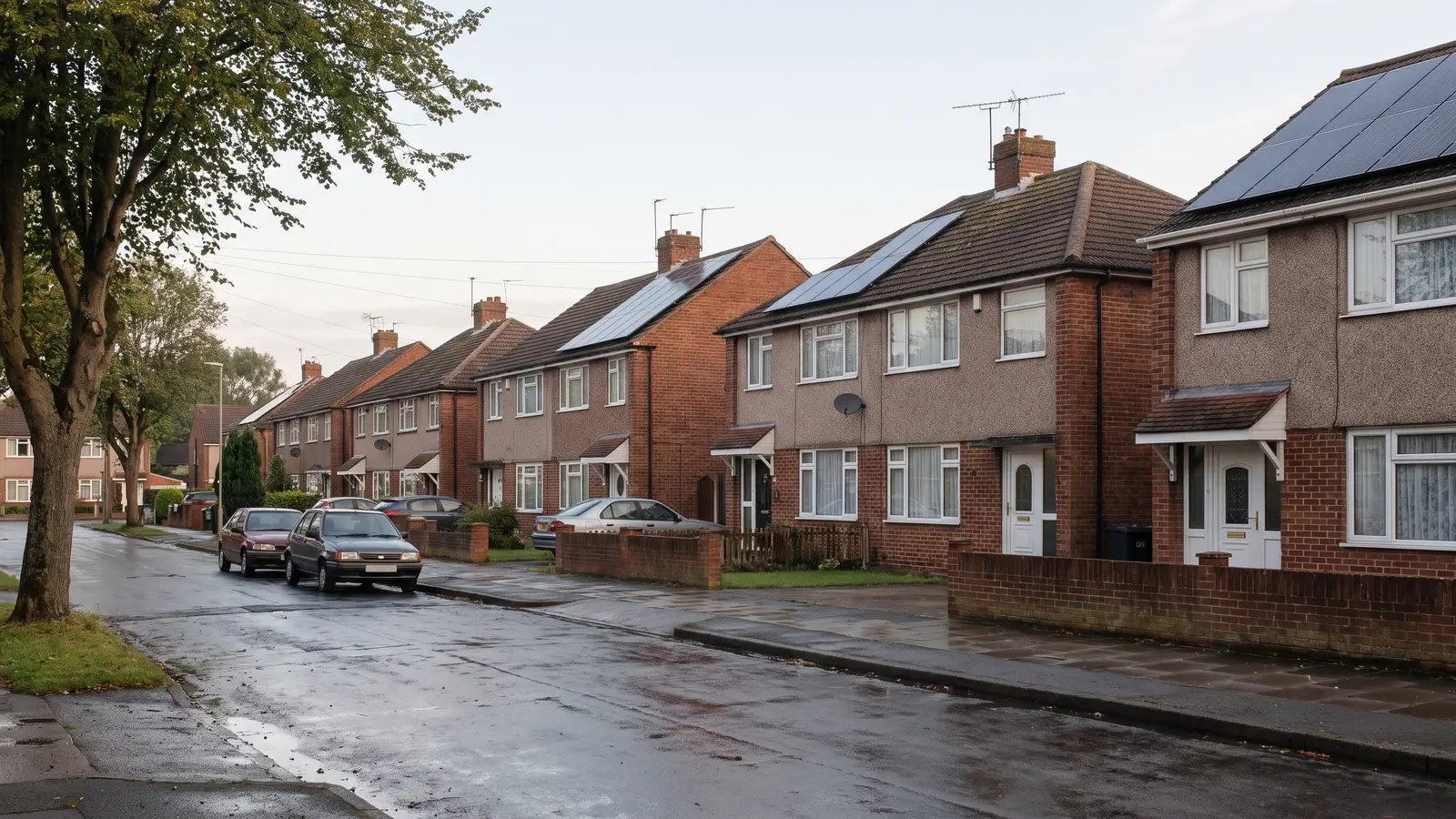
Solar panel grants & the Smart Export Guarantee, explained
The honest picture of UK solar support in 2026: there's no universal 'free solar' grant, but there is 0% VAT and the Smart Export Guarantee — plus means-tested grants and council group-buying. Explained plainly.

Are solar panels worth it? An honest UK cost guide
What solar panels really cost in 2026, what you actually get back, and the roofs they don't suit — an honest UK guide with no 'free electricity' or 'pays for itself' hype.
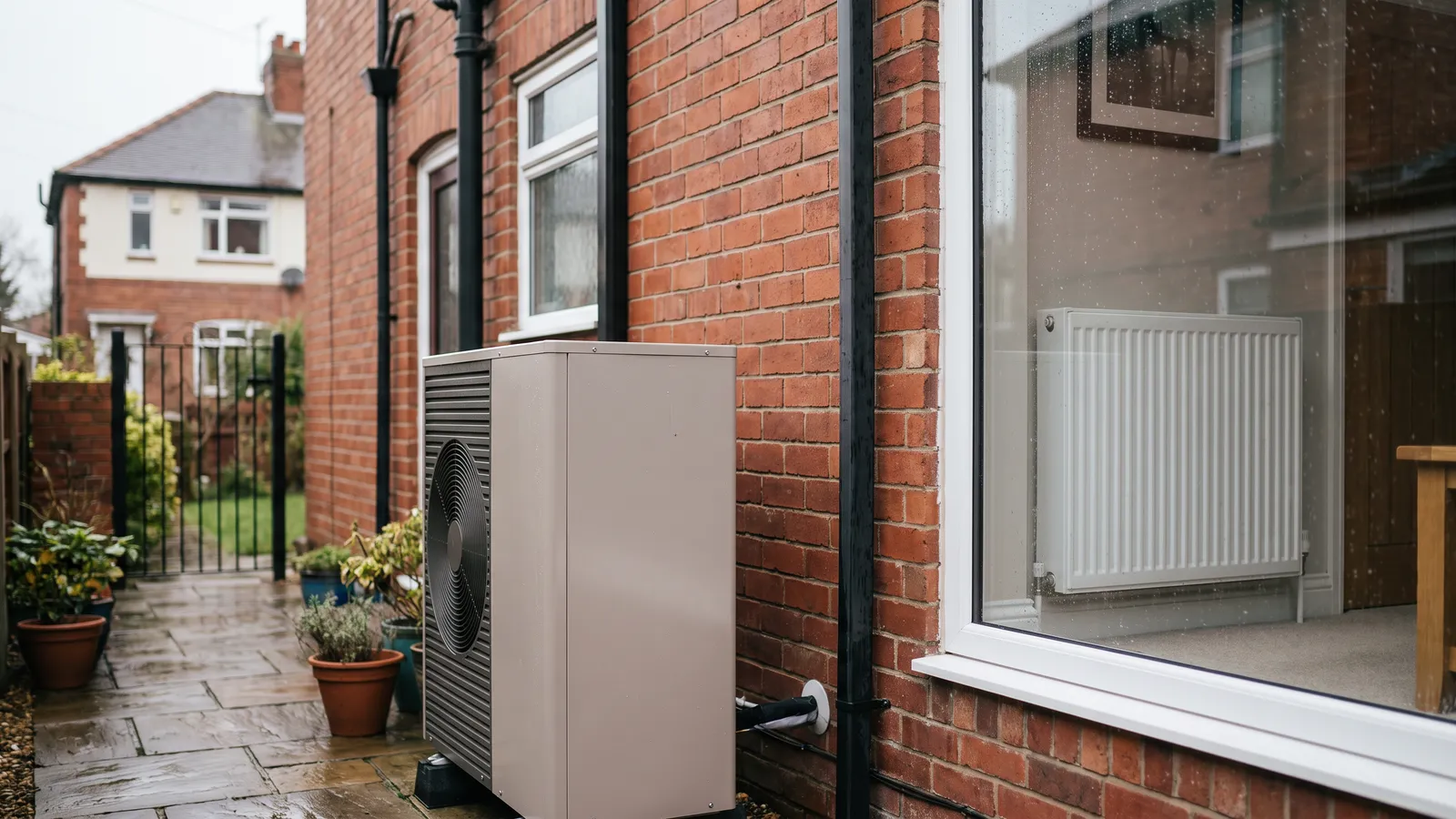
Is a heat pump worth it? An honest UK cost guide
What an air-source heat pump really costs in 2026, whether it actually saves money to run, and the homes it doesn't suit — a calm, honest guide with no 'it pays for itself' hype.
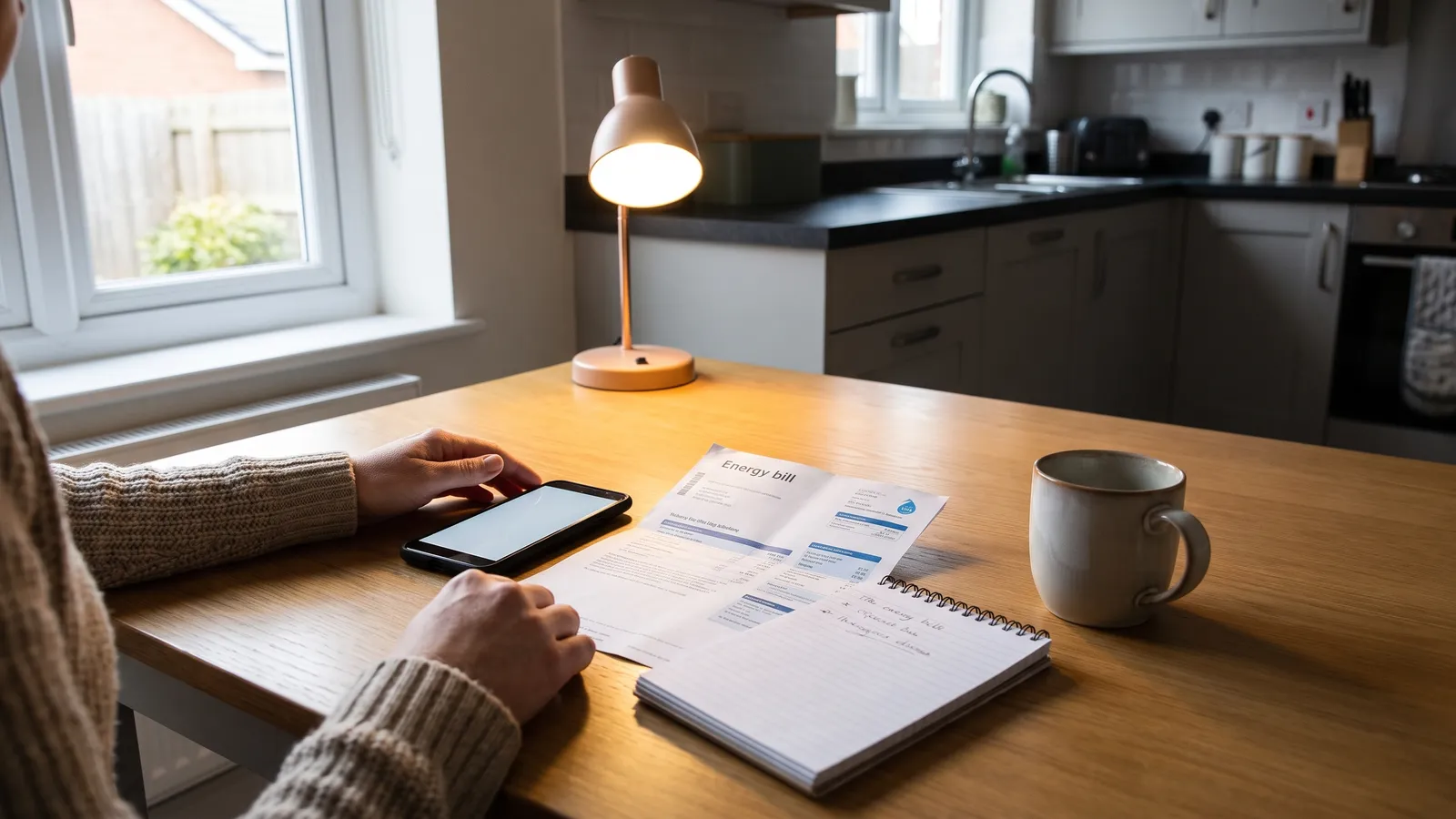
Power cut compensation: what you're owed and how to claim
How much compensation you're owed for a long power cut, the different rules for storms, and how to claim from your network operator — the current 2026 figures.
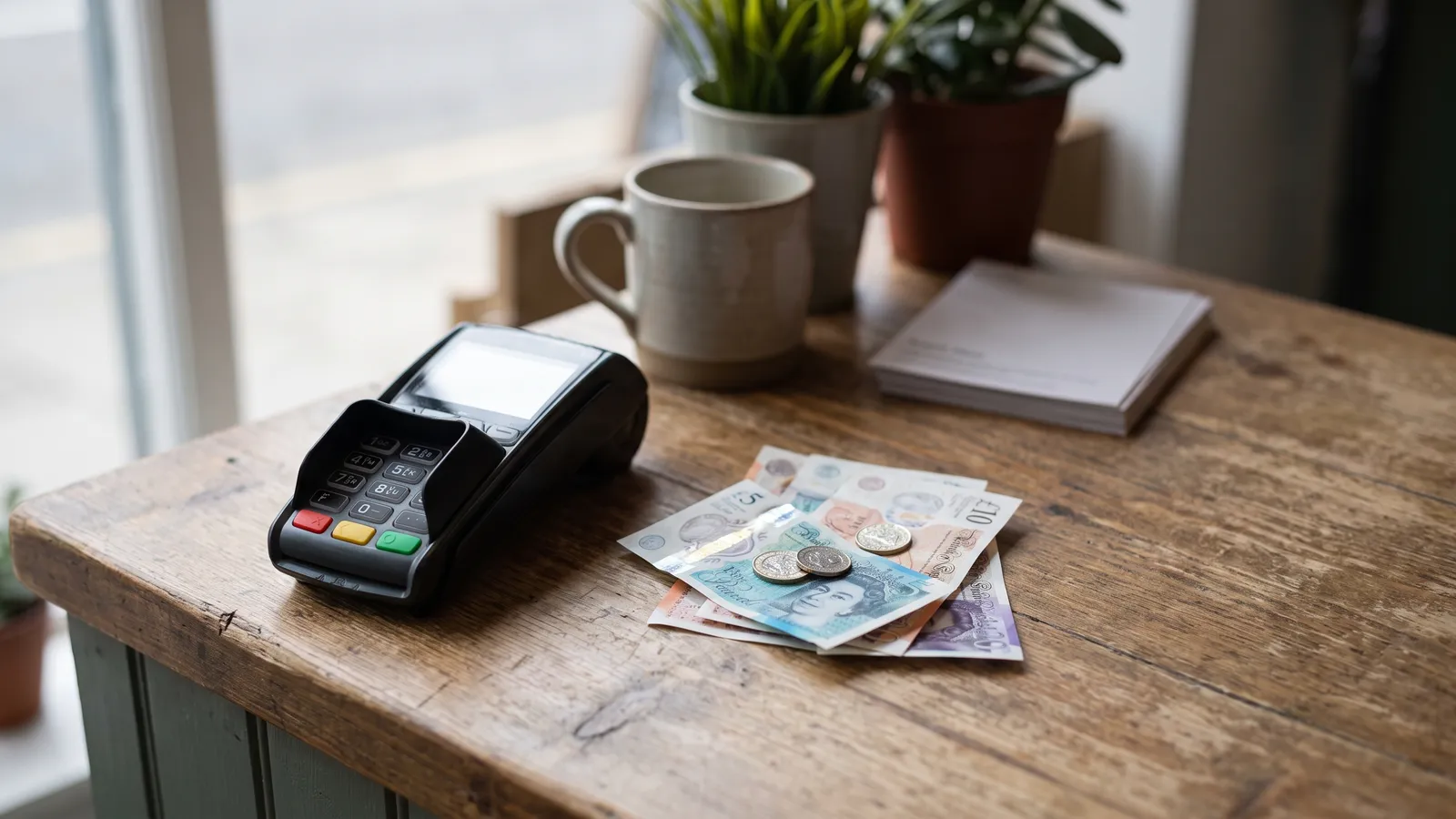
When the card machine's down: bank outages and keeping a little cash
UK bank IT outages, card and cash-machine failures in a power cut, and why keeping a modest amount of physical cash is sensible resilience — with the facts on access-to-cash rules and what's actually protected.
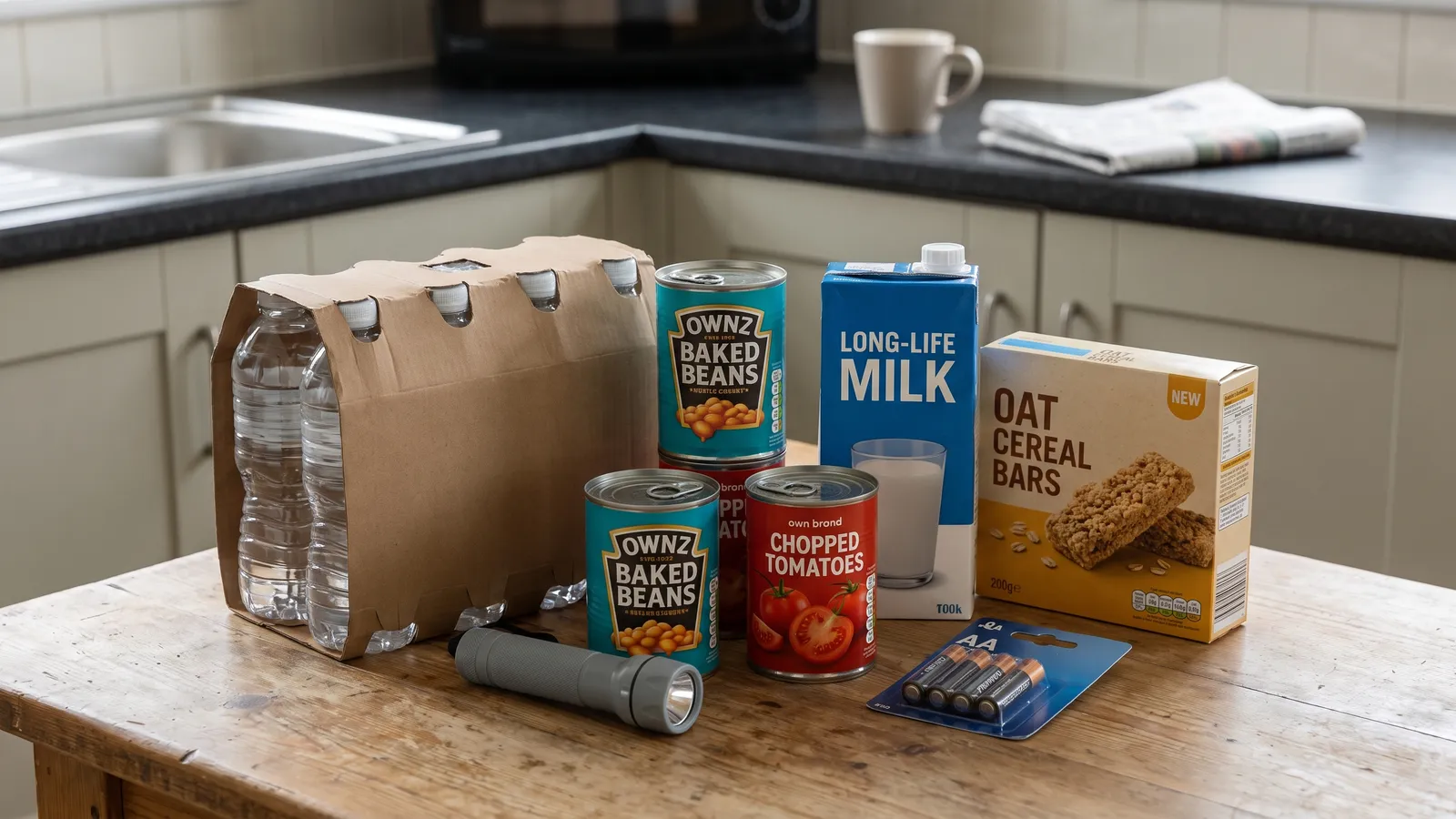
The £30 supermarket 72-hour kit
A genuine three-day emergency kit from one supermarket shop, for about thirty pounds — what to buy, what it costs, and the two upgrades worth making later.
Food & growing
Store-cupboard resilience, cooking without power, and growing your own.
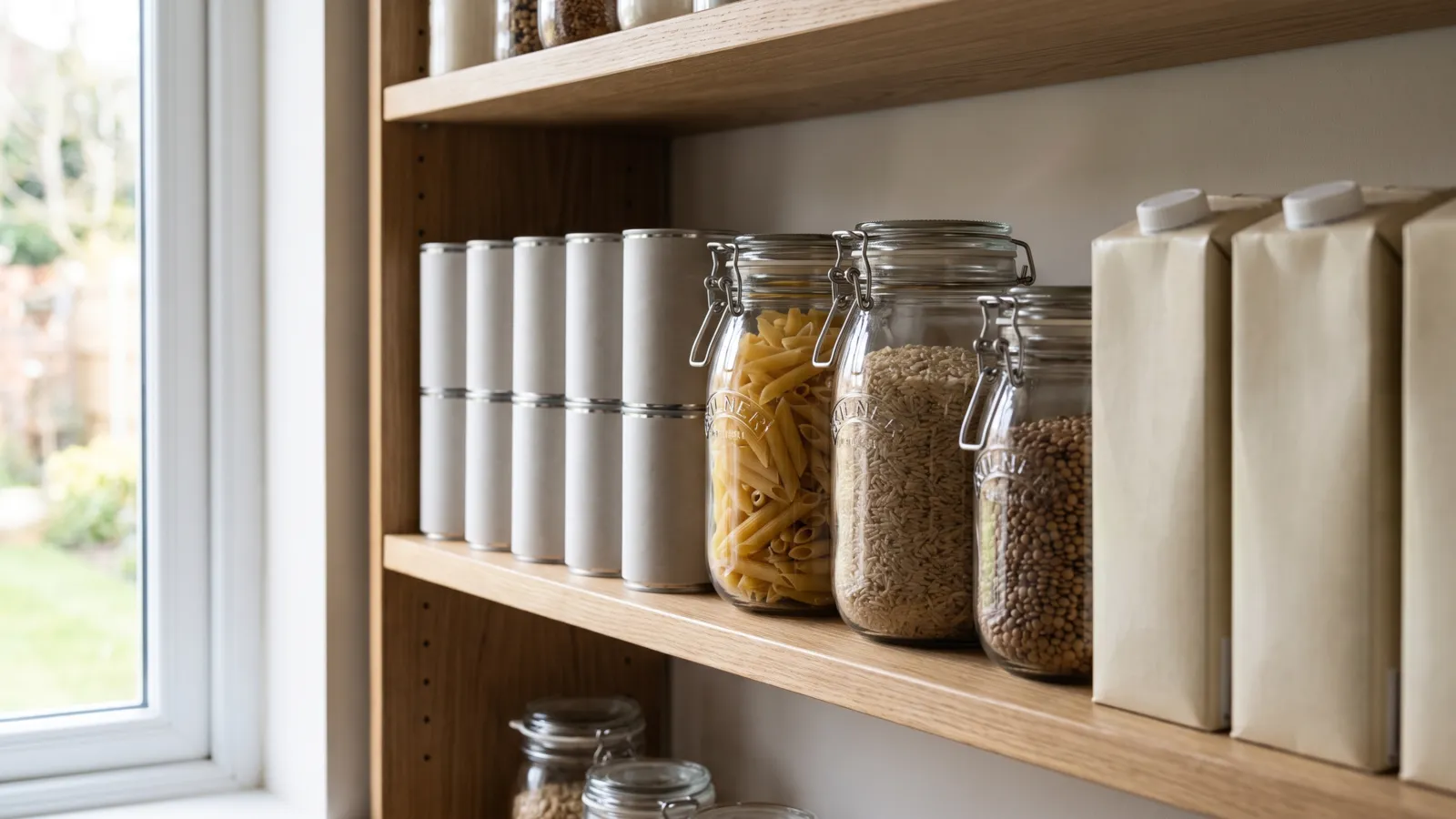
Use-by vs best before: which food dates actually matter
The FSA's rule: use-by is safety, best before is quality. Which foods are genuinely fine past the date — tins, dried goods, UHT, eggs — and which never are.
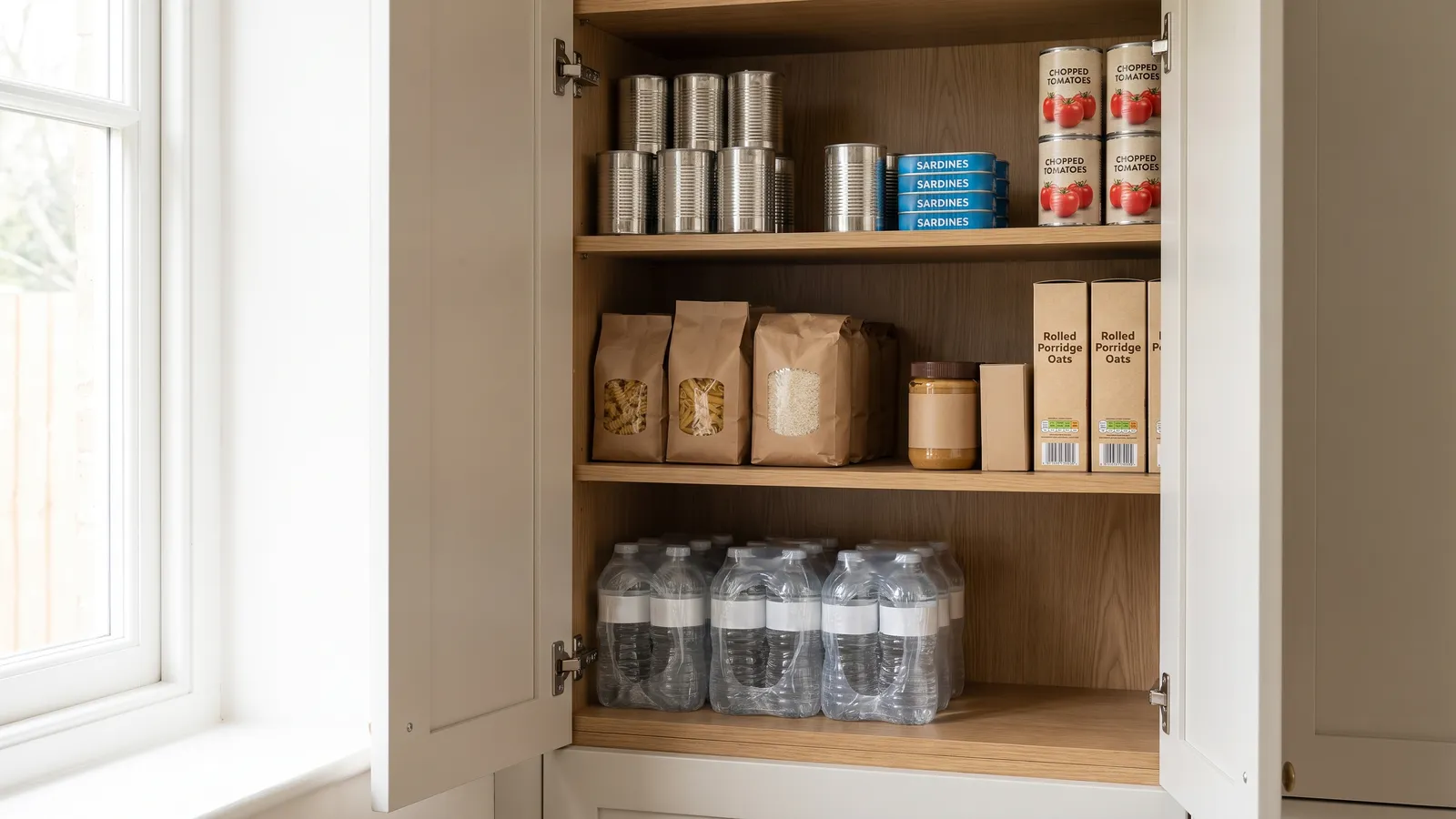
How much emergency food should you store? A per-person guide
The maths done for you: turn about 2,000 kcal and 3 litres of water per person per day into concrete food and water shopping lists for 1, 2 and 4 people.

What to sow and plant this month: the UK vegetable calendar
A month-by-month UK guide to what vegetables to sow and plant — indoors and out — from January to December. Jump to this month.
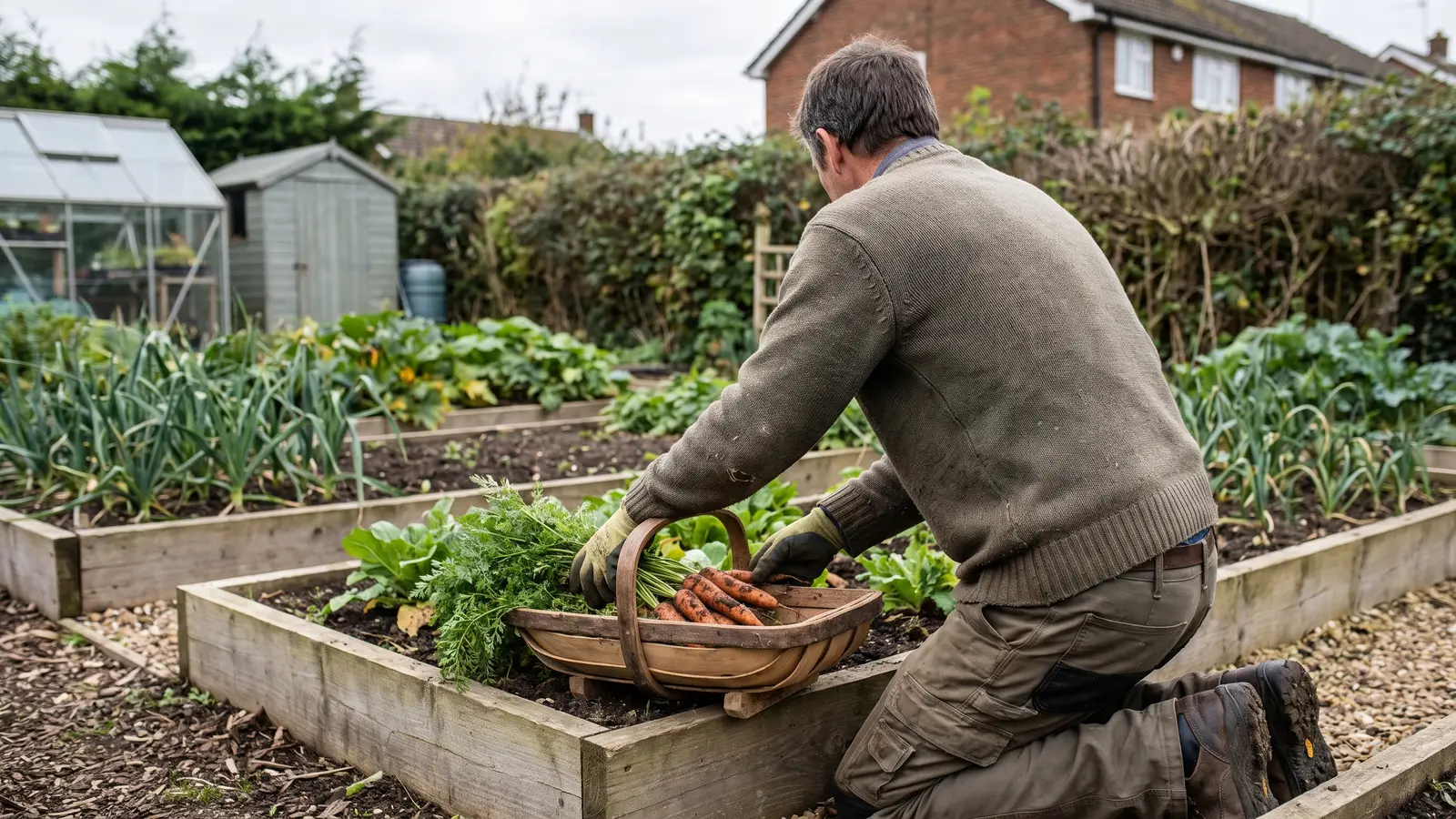
Grow your own food: a realistic resilience guide
The calm, honest case for growing some of your own food in the UK — what a garden can and can't do, and the highest-value crops for beginners.
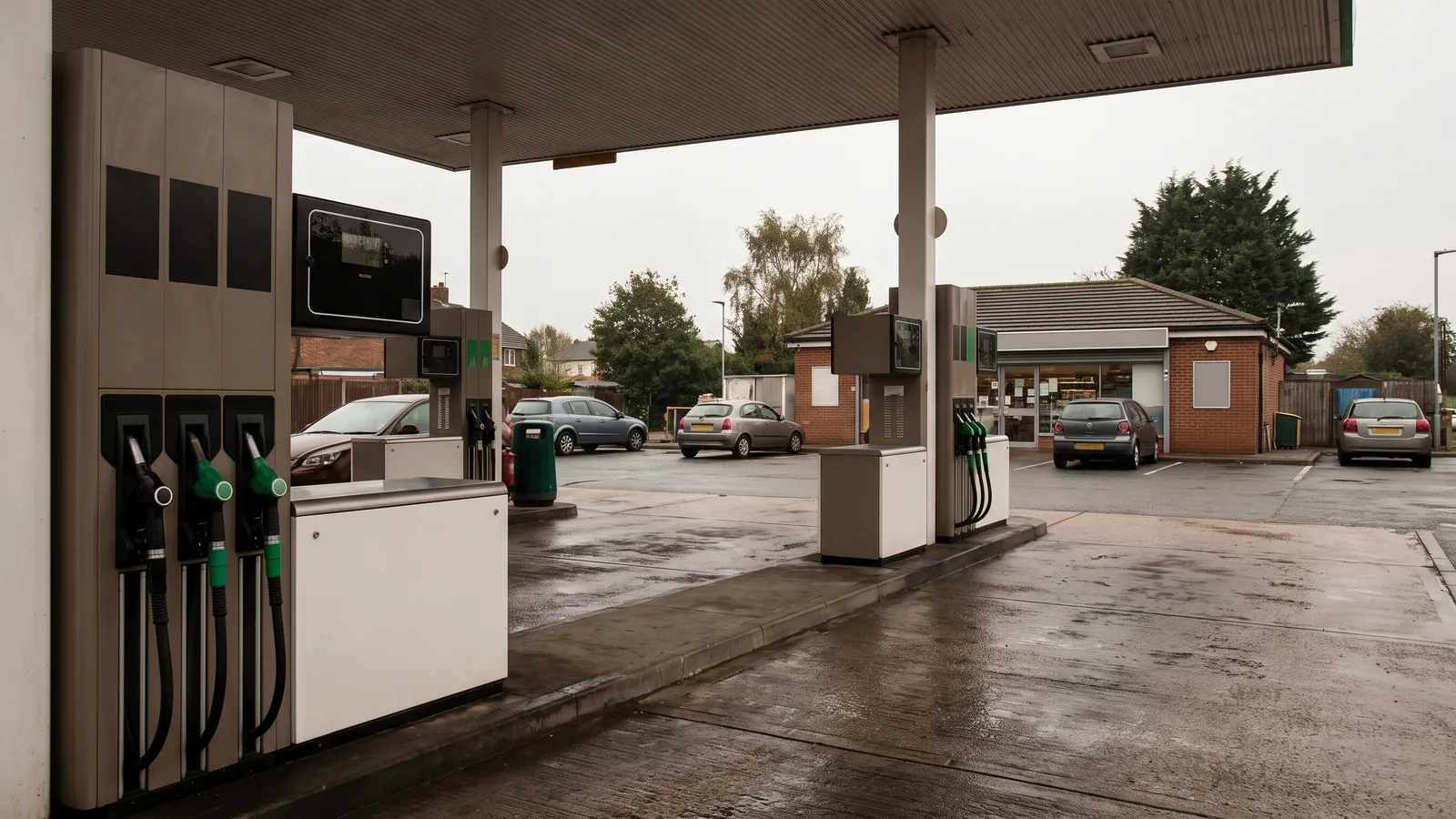
Fuel shortages: what to do, and what not to do
The 2021 UK fuel crisis was panic-buying, not a fuel shortage. How forecourts really run, the calm response that refills the pumps within days, and the law on storing petrol at home.
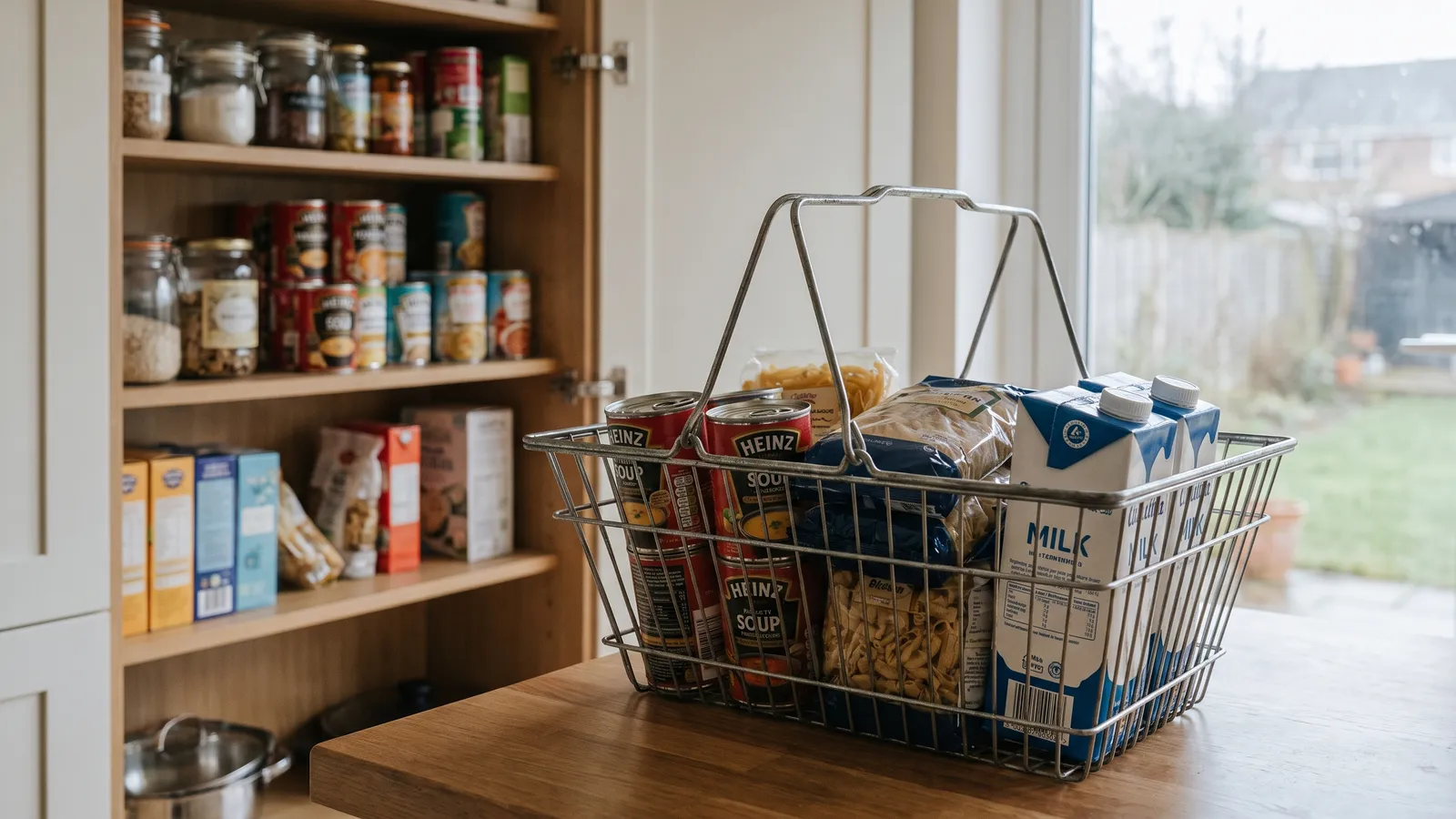
How to prepare for food shortages in the UK
What UK food security actually looks like, why shelves occasionally gap, and the calm two-week larder that makes shortages a non-event — sourced to Defra and the ONS.
Planning & the national picture
Household plans, official alerts, and how the UK actually responds to emergencies.
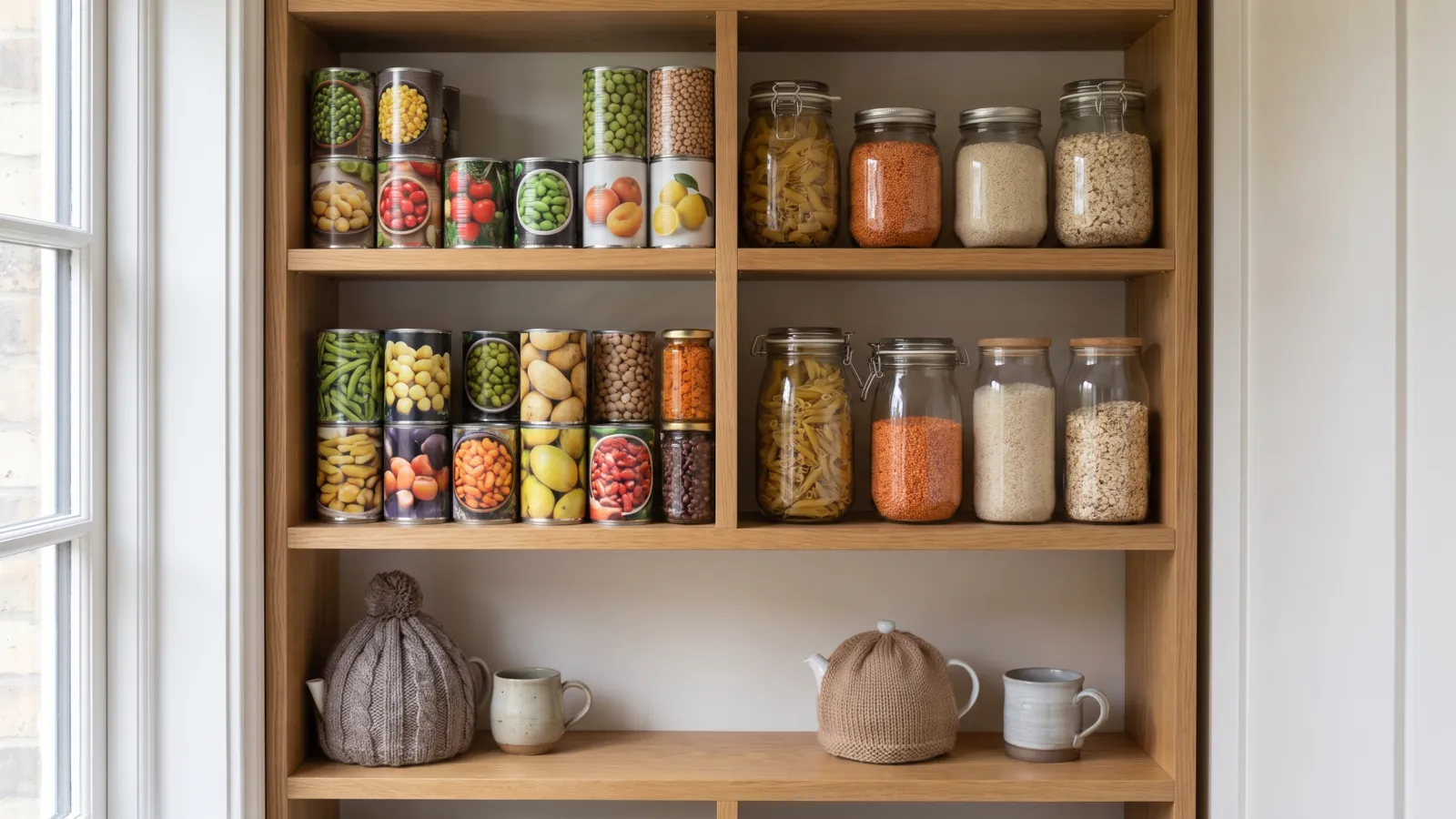
Is the UK government telling people to stockpile food and water?
A post claiming Britain is telling households to stockpile for war is going round. Here is what the government actually published, what the BBC actually reported, and the short list the official advice asks for.
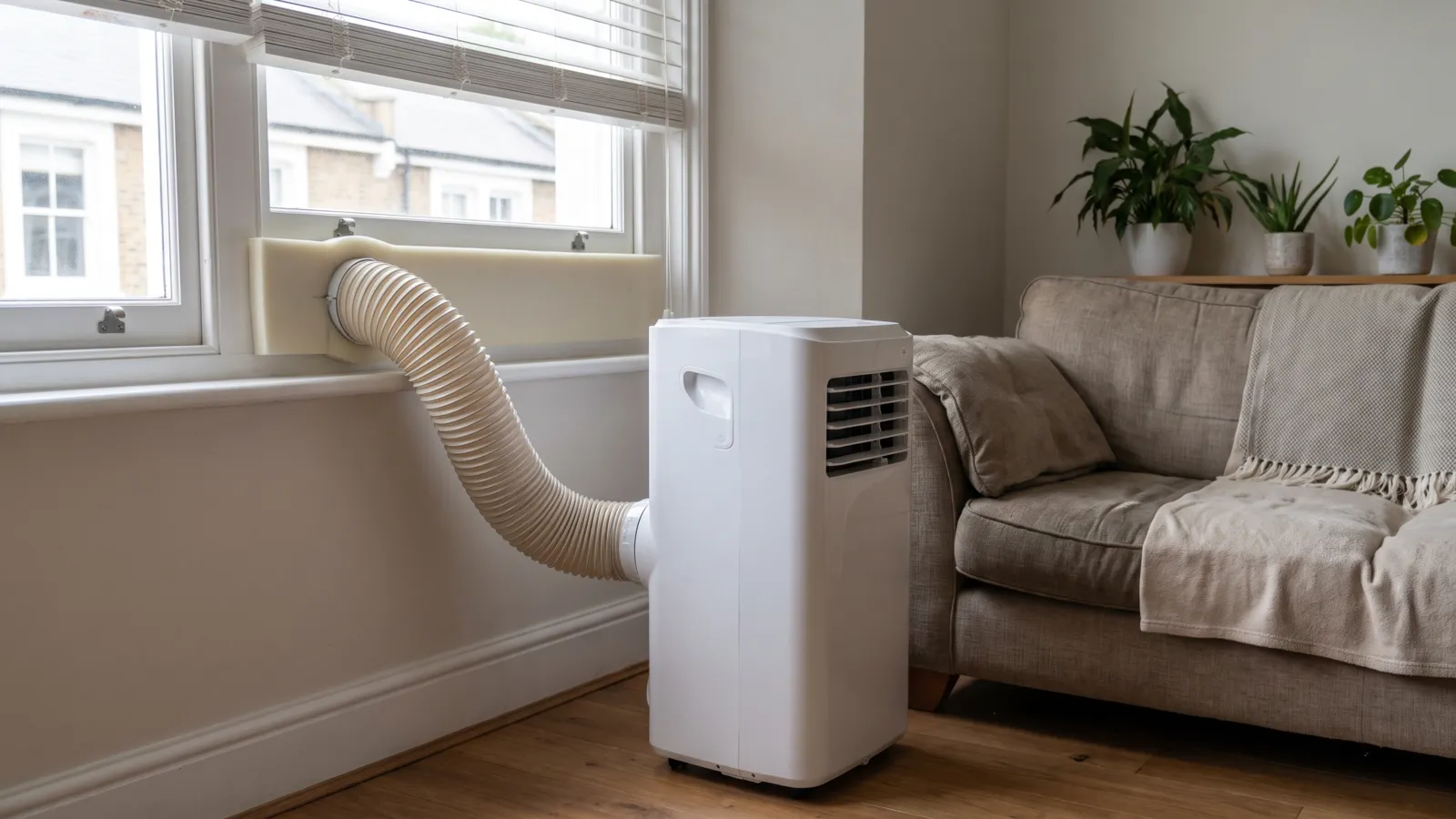
Igenix air conditioner not cooling: the fixes that actually work
The hose, seal, filter, drainage and settings checks from Igenix's own manuals — including three built-in behaviours regularly mistaken for faults — and the one failure that is never a DIY fix.
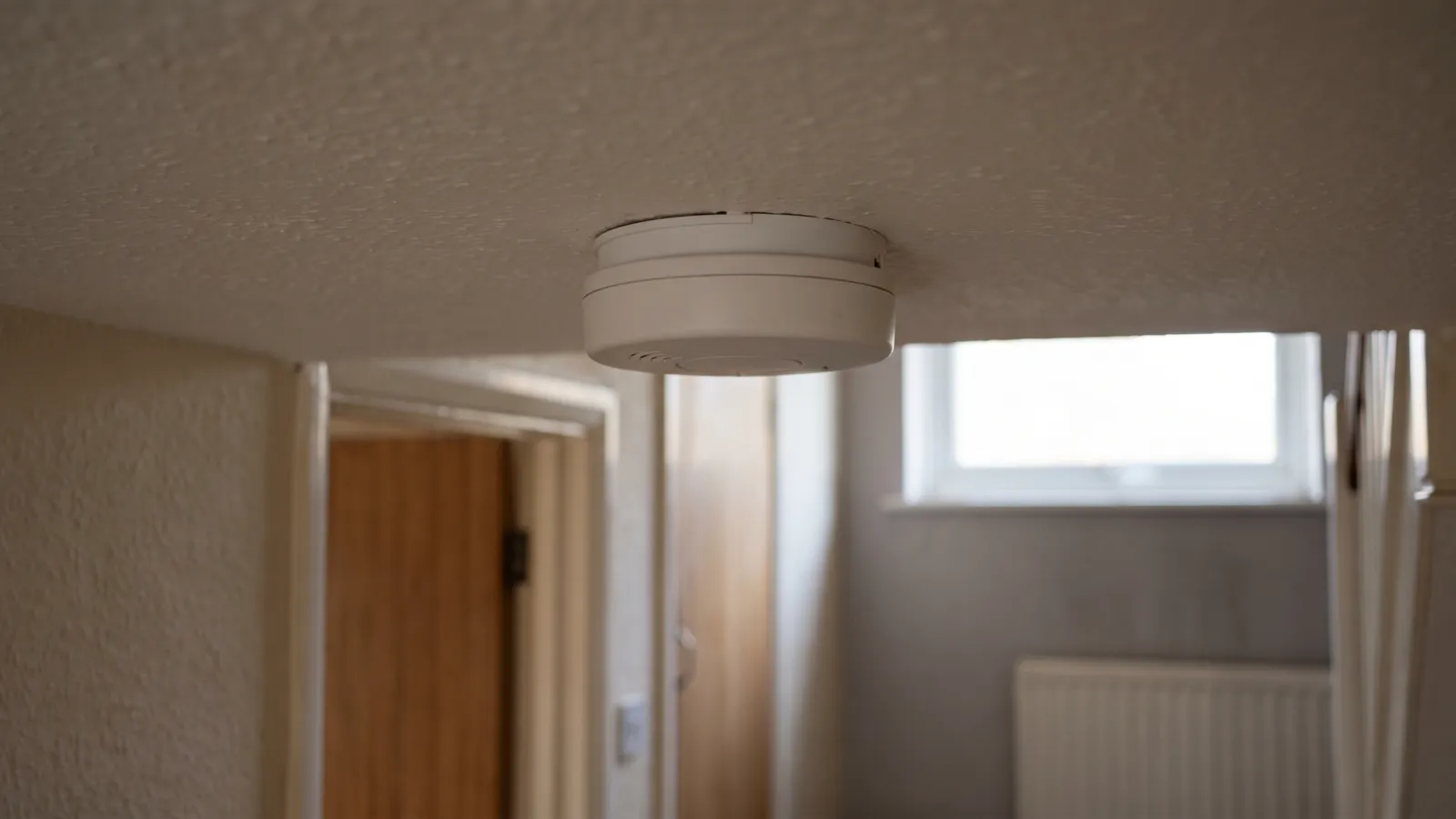
Aico vs Kidde carbon monoxide alarms: what the difference actually is
Aico and Kidde both certify to BS EN 50291-1:2018 — the real differences are sales channel, how each brand interlinks, battery format and price. Plus the sealed-battery rule that decides it in Scotland.
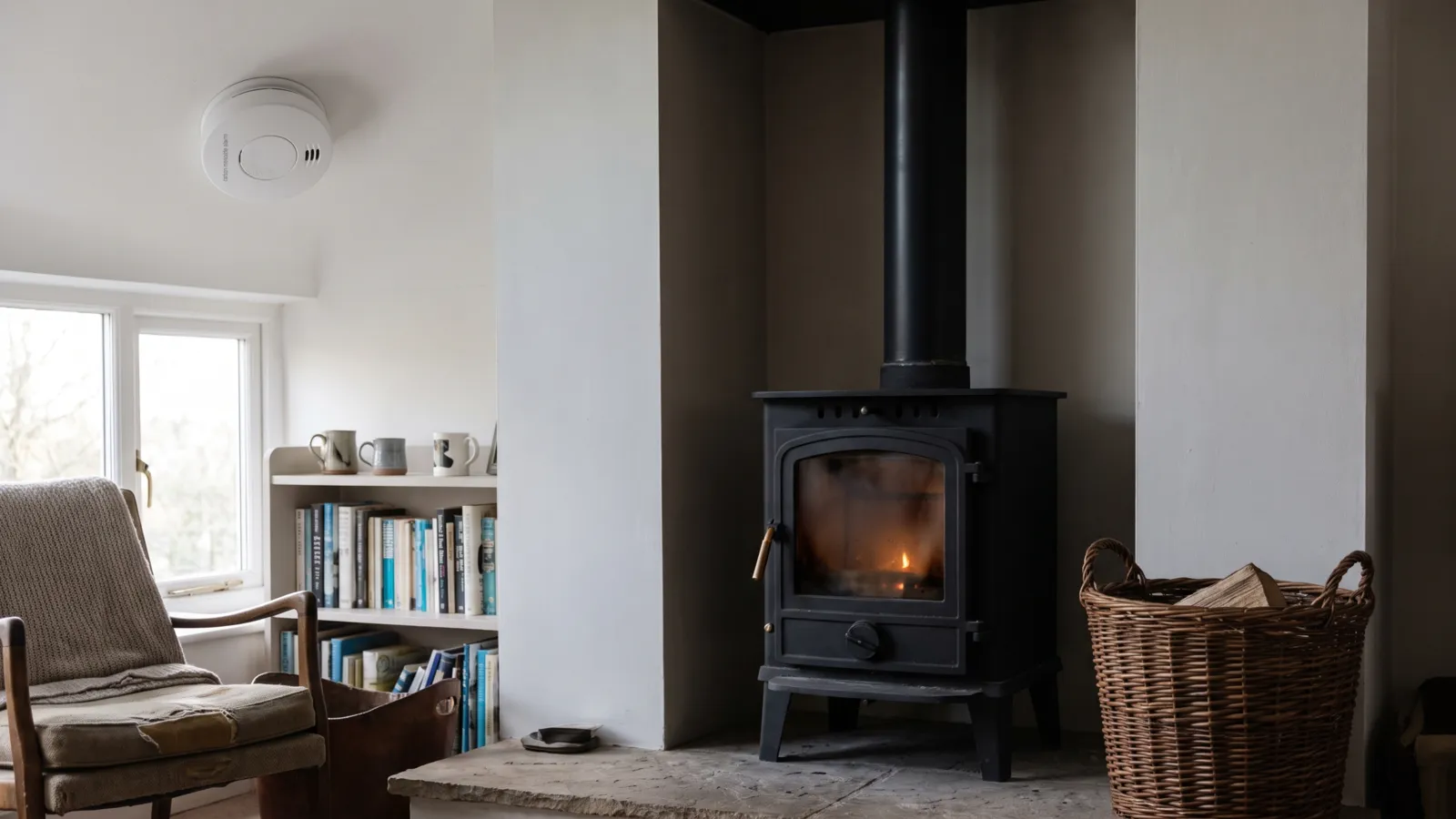
Can a log burner give you carbon monoxide poisoning?
Yes — a wood burner can produce dangerous carbon monoxide if the flue is blocked or the wood is wet. Here's how it happens, what the law requires, and how to stay safe.
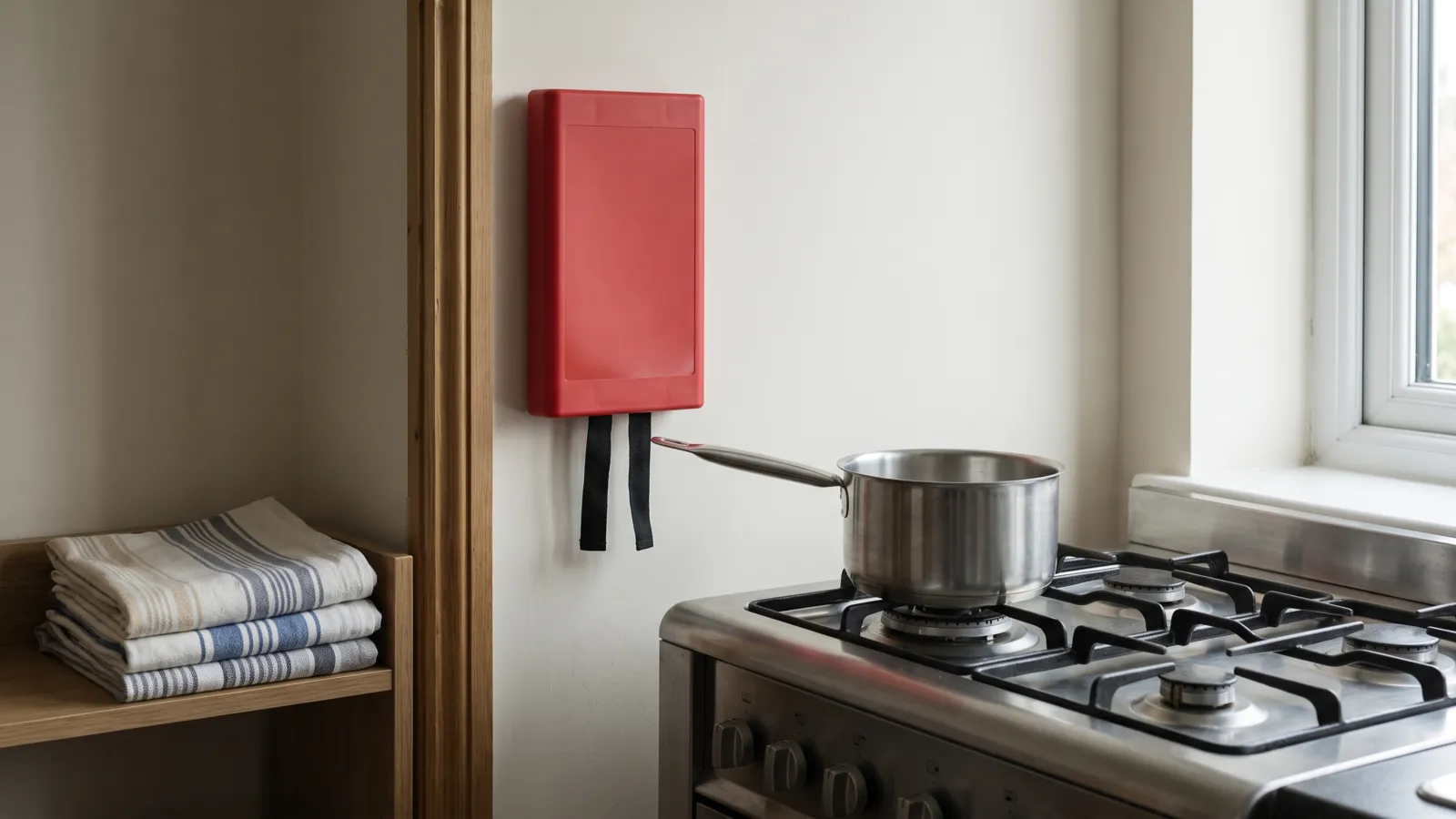
Chip-pan and kitchen fires: what to do — and what never to do
How kitchen fires start, why water on hot oil is the worst move, when a fire blanket helps, when to simply get out — and NHS burns first aid.
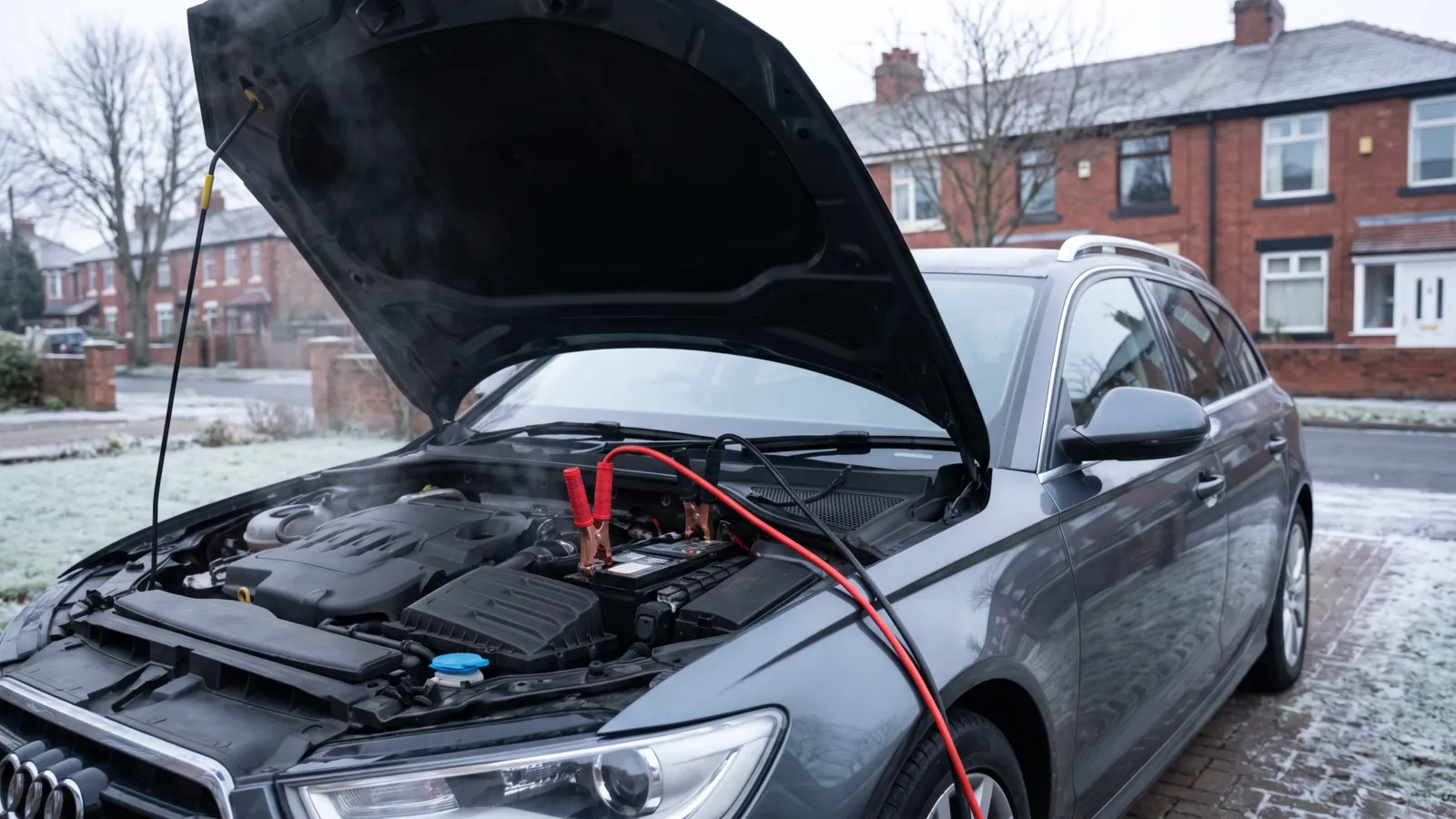
How to jump start a car: leads, jump packs and when not to try
The correct connection order for jump leads and jump packs, the stop-start and EV caveats most guides skip, and when a flat battery is a recovery job.

Condensation, damp and mould: the winter guide (and when it's your landlord's job)
How to tell condensation from penetrating and rising damp, fix each properly, when a dehumidifier helps — and renters' rights under Awaab's Law.
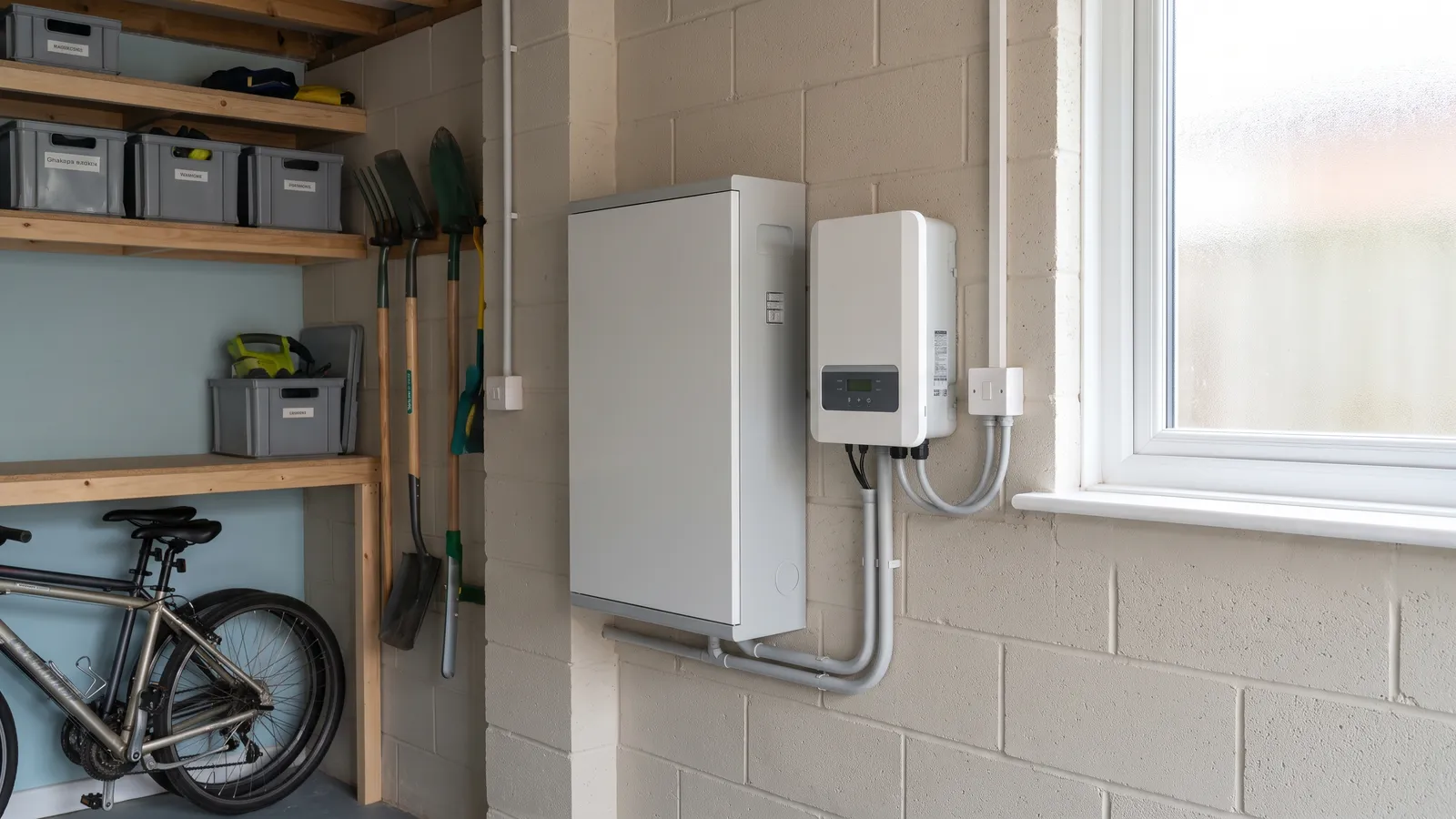
Will solar panels keep the lights on in a power cut?
The surprising answer is usually no — standard grid-tied solar shuts down in a blackout. Here's why, what battery backup actually does, and whether it's worth it.
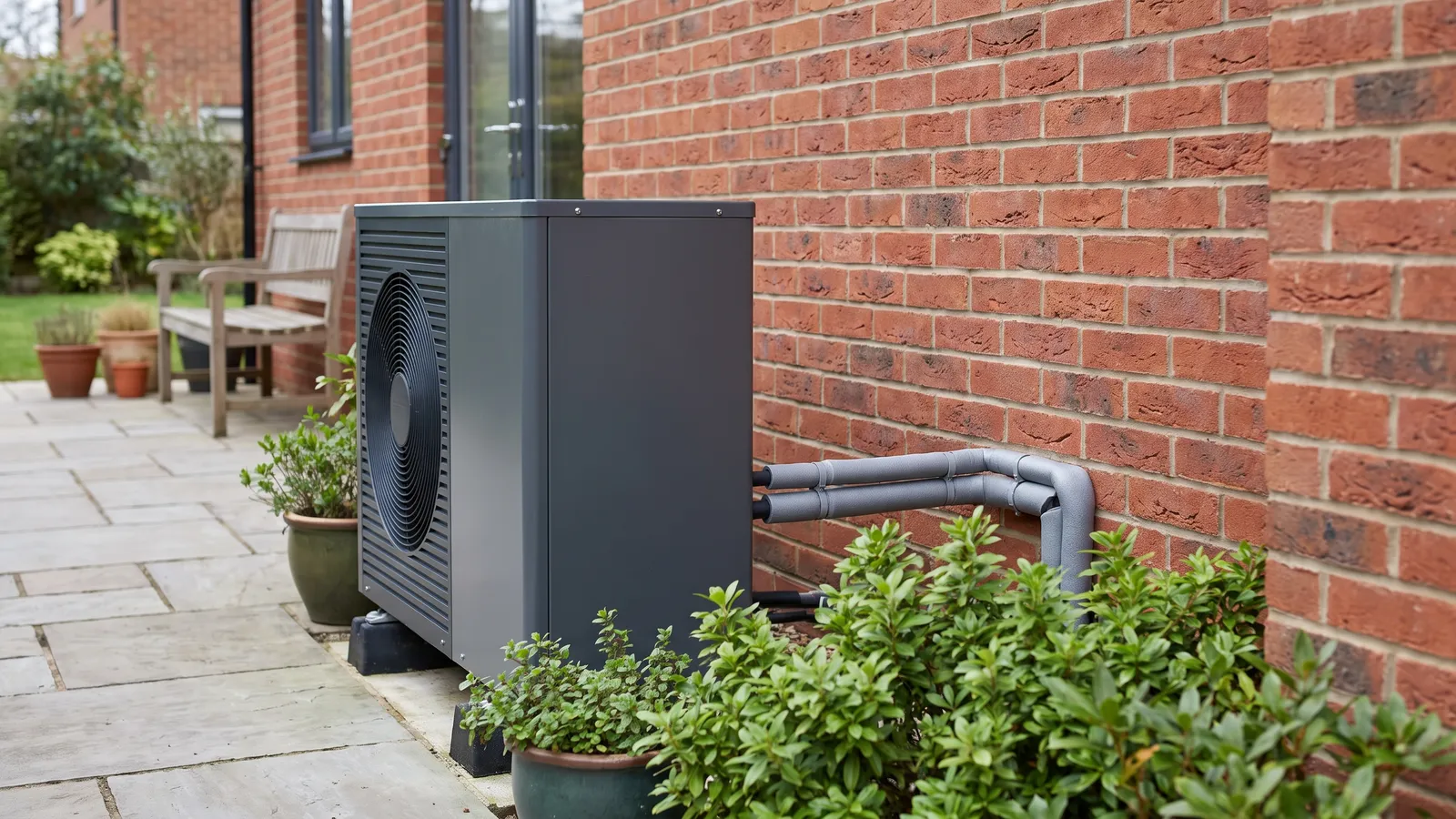
The Boiler Upgrade Scheme: the £7,500 heat-pump grant explained
A plain-English guide to the £7,500 Boiler Upgrade Scheme grant (£9,000 for off-gas-grid homes from 21 July 2026) — who's eligible, what changed in 2026, and how to claim it.

The Priority Services Register: free extra help in an emergency
What the free Priority Services Register is, who's eligible, the help it gives in a power, gas or water emergency, and exactly how to sign up.

How the UK responds to a national emergency
The calm, evidence-based answer to 'is anyone in charge in a crisis?' — the Civil Contingencies Act, Local Resilience Forums, COBR and the UK's structured emergency response.

What happens in a national power outage — and how to prepare
A calm, sourced look at the 'national blackout' scenario: why it's a low-likelihood risk the grid is engineered against, what would actually happen, and the simple way to prepare.
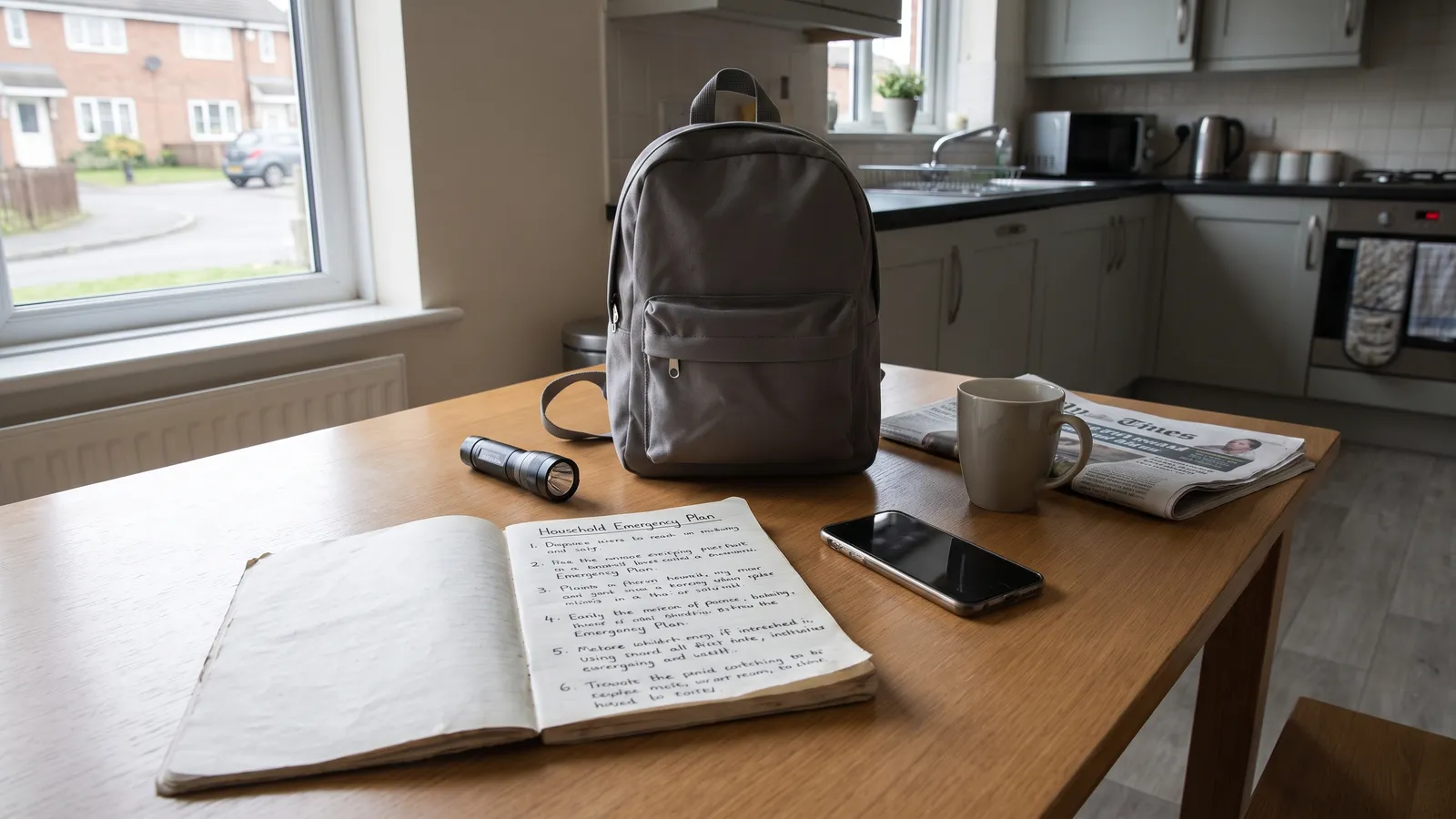
How to make a household emergency plan
A simple, practical household emergency plan — the official GOV.UK Prepare approach: contacts, meeting points, utilities, kit and the people who need extra help.

Solar storms, the aurora and the grid: a calm UK guide
What a geomagnetic storm actually does, the G1–G5 scale, the record May 2024 aurora, and why a severe solar storm is a managed national risk in the UK — not the blackout apocalypse it's sold as online.
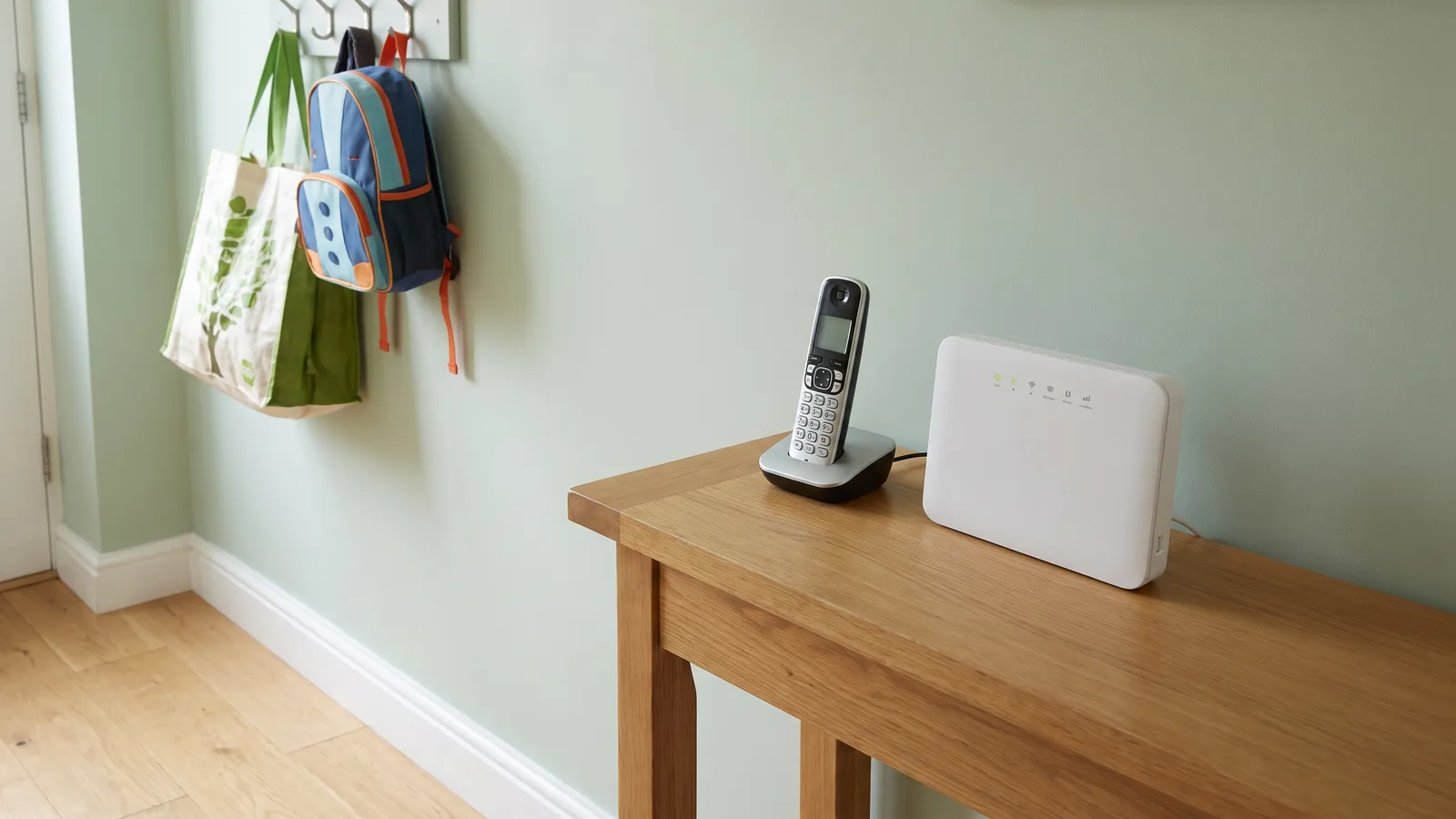
Your landline is going digital: the PSTN switch-off explained
The UK's old copper phone network is being switched off by January 2027. What the digital switchover means, why your phone won't work in a power cut, and what to do if you rely on a telecare alarm.
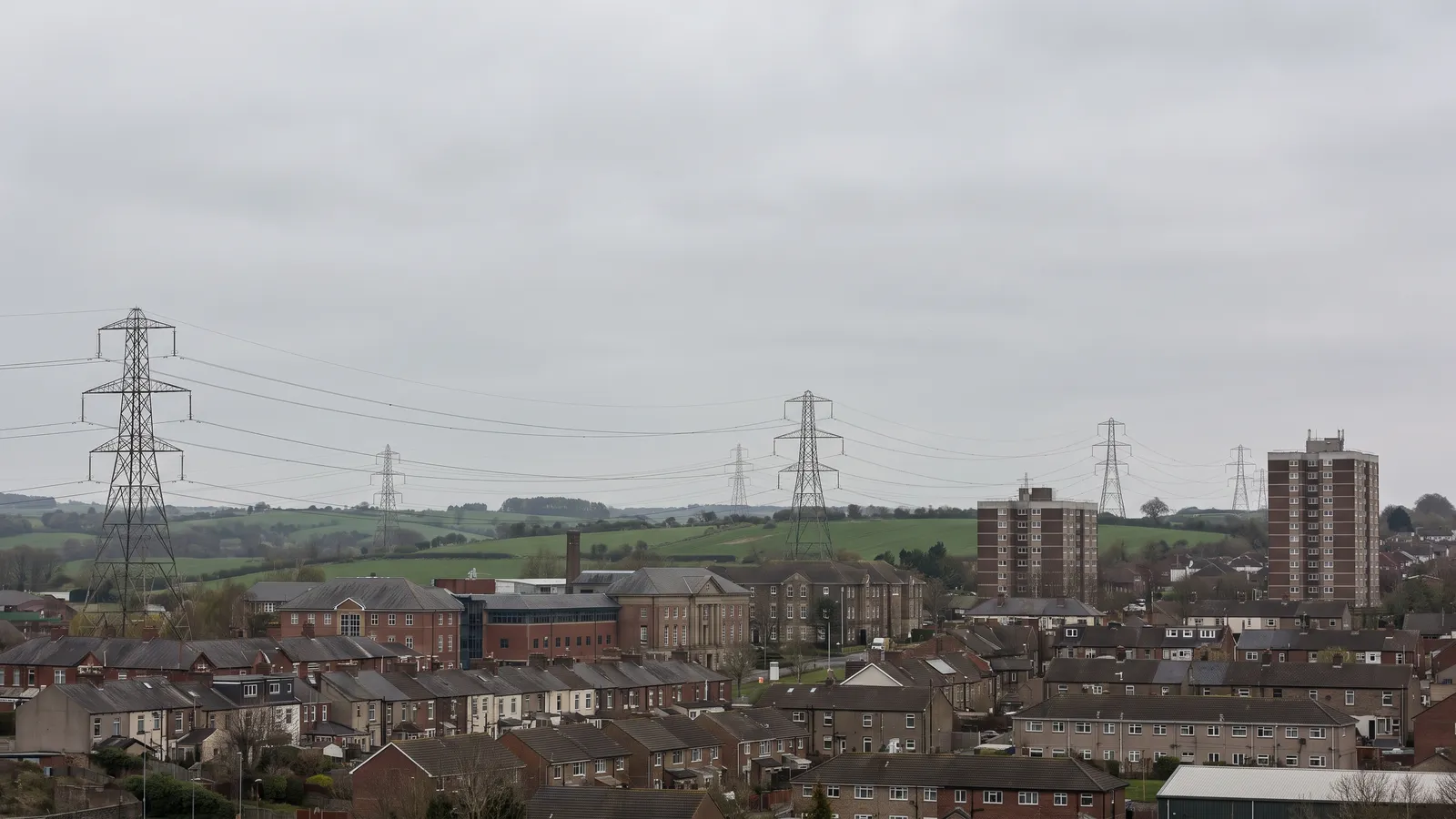
The National Risk Register 2026, explained for households
What the UK government's 2026 risk assessment says — and the calm, practical steps every household can take.
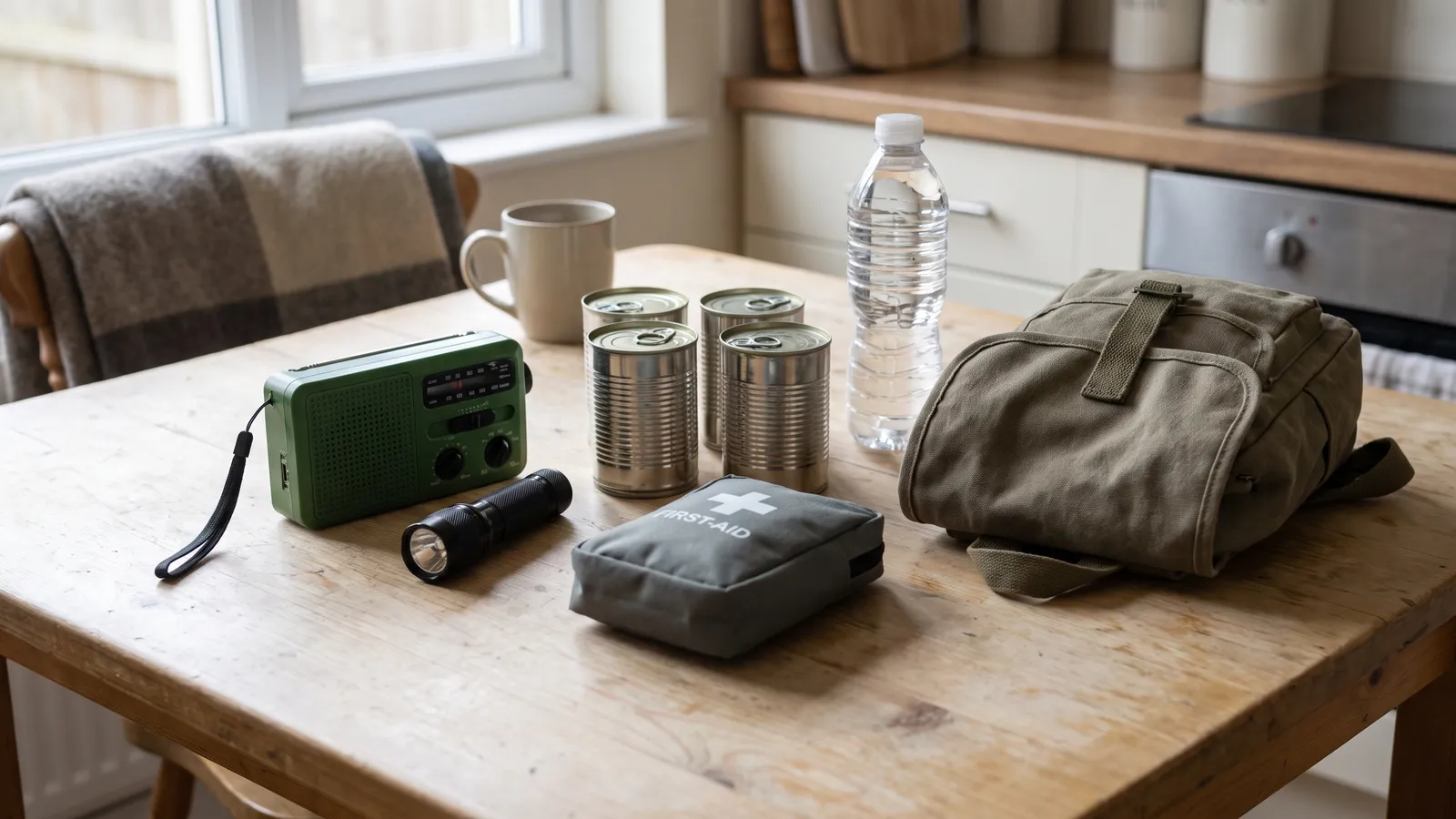
The UK Emergency Kit List, explained item by item
The Government's recommended kit — with the best products for each item at every budget.