Solar panel grants & the Smart Export Guarantee, explained
The honest picture of UK solar support in 2026: there's no universal 'free solar' grant, but there is 0% VAT and the Smart Export Guarantee — plus means-tested grants and council group-buying. Explained plainly.
By Tom Calder · Updated 21 July 2026 · Sourced to GOV.UK & Ofgem
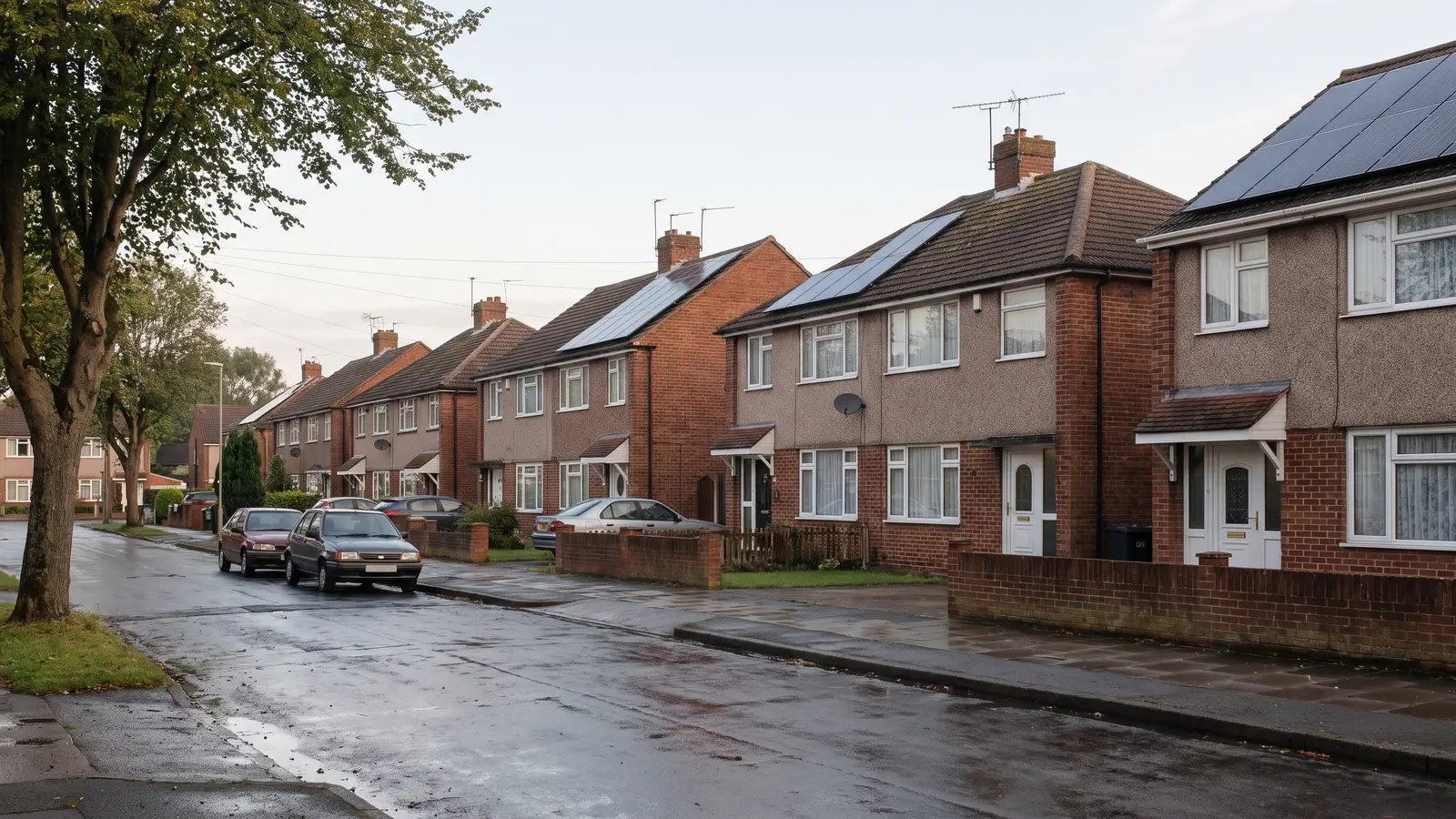
The honest headline
If you've seen adverts for a 'government free solar grant', treat them with suspicion — there is no universal, non-means-tested scheme that gives the general public free or subsidised solar panels. The genuine, everyone-qualifies support comes in two forms: 0% VAT on the installation, and being paid for the power you export. Beyond that, grants exist only for low-income and fuel-poor households, and they're accessed through official routes, not cold-callers.
Here's each of the real supports, and who they're for.
0% VAT on solar and batteries
Installing solar panels — and, since 1 February 2024, standalone home batteries — is zero-rated for VAT across the UK. That 0% rate applies to the whole installed package, equipment and labour, and it runs until 31 March 2027. From 1 April 2027 it reverts to the reduced rate of 5%.
In practice this is a straightforward saving applied by your installer at the point of sale — there's nothing to claim. But the deadline matters: on a £7,600 system, the difference between 0% and 5% VAT is real money, so if you're close to deciding, the pre-April-2027 window is worth noting.
The Smart Export Guarantee (SEG)
The Smart Export Guarantee is the scheme that pays you for surplus solar electricity you send back to the grid. Every electricity supplier with at least 150,000 domestic customers must offer at least one SEG export tariff; smaller suppliers can offer one voluntarily. It replaced the old Feed-in Tariff, which closed to new applicants in 2019.
The catch is that suppliers set their own rates, and they vary enormously — from around a penny to the low-20s of pence per kWh — with the highest rates usually reserved for customers who also buy their electricity from that same supplier. Rates can change at short notice, so it's worth comparing export tariffs rather than defaulting to your current supplier's. You'll need an MCS-certified installation to qualify, and SEG applies in England, Scotland and Wales (not Northern Ireland).
One honest point the export figures make clear: because export rates are usually well below the ~26p you pay to import, you save more by using your own solar during the day than by exporting it — which is the real argument for a battery or for shifting usage into daylight.
Grants for low-income and fuel-poor homes
If your household is on a low income or certain benefits and your home has a poor energy rating, you may get help toward solar (among other measures) through a means-tested scheme:
ECO4 (the Energy Company Obligation) runs until 31 December 2026 and is delivered by the larger energy suppliers for low-income and fuel-poor households, typically in EPC band D–G homes. The Warm Homes: Local Grant, delivered by councils in England, funds energy-saving improvements — which can include solar — for privately owned homes in EPC bands D–G, generally where household income is £36,000 a year or less (some households qualify via benefits or a designated area).
Scotland, Wales and Northern Ireland run their own devolved schemes. Note that as of 2026 Home Energy Scotland's grant and loan is focused on heating and insulation and does not currently fund standard solar PV. Always apply through the official GOV.UK, Ofgem or your council's route — never hand your details to an unsolicited 'free grant' caller.
Solar Together: council group-buying
One genuinely useful route that isn't a grant: Solar Together (run by councils in partnership with iChoosr). Residents in a participating area register their interest — free and with no obligation — during a fixed window, then vetted installers compete in a reverse auction to set a single group price. You get a personalised recommendation and can walk away if it's not for you.
It won't always beat every individual quote, but it removes the legwork and the sales pressure, and the group pricing is often competitive. Check whether your local council is running a round.
Common questions
Is there a government grant for solar panels in the UK?
Not for the general public. There's no universal, non-means-tested grant for free or subsidised solar. Everyone gets 0% VAT (until 31 March 2027) and access to the Smart Export Guarantee. Grants like ECO4 and the Warm Homes: Local Grant exist only for low-income, fuel-poor households in poor-EPC homes.
Can I get free solar panels?
Only through a means-tested scheme if you qualify — for example ECO4 (running to 31 December 2026) or the council-run Warm Homes: Local Grant, which target low-income households in EPC band D–G homes. Be very wary of 'free solar grant' adverts and cold-callers; always apply through GOV.UK, Ofgem or your council.
What is the Smart Export Guarantee and how much does it pay?
It's the scheme that pays you for solar electricity you export to the grid. Suppliers with 150,000+ domestic customers must offer an export tariff, but they set their own rates, which vary widely — from around a penny to the low-20s of pence per kWh — with the best rates usually needing you to buy your import electricity from the same supplier. An MCS-certified install is required.
Is there VAT on solar panels?
There's 0% VAT on solar panels and home batteries (including standalone batteries since 1 February 2024) across the UK until 31 March 2027. From 1 April 2027 it reverts to 5%. Your installer applies the relief — there's nothing to claim.
What is Solar Together?
A council-led group-buying scheme run with iChoosr. Residents register free during a set window, then vetted installers compete in a reverse auction to set one group price. You get a personalised recommendation with no obligation to proceed. It's a low-hassle, no-pressure way to get a competitive quote if your council is running a round.
Sources: Ofgem — Smart Export Guarantee · GOV.UK — VAT on energy-saving materials (Notice 708/6) · GOV.UK — Apply for the Warm Homes: Local Grant · Ofgem — Energy Company Obligation (ECO). PreparedBritain is independent and not affiliated with HM Government.
The Blackout Briefing
One calm email when something genuinely matters — severe weather, live incidents, real price drops. No noise.
Keep reading
All money & bills guides →Are solar panels worth it? An honest UK cost guide
What solar panels really cost in 2026, what you actually get back, and the roofs they don't suit — an honest UK…
Is a heat pump worth it? An honest UK cost guide
What an air-source heat pump really costs in 2026, whether it actually saves money to run, and the homes it doesn't…
Power cut compensation: what you're owed and how to claim
How much compensation you're owed for a long power cut, the different rules for storms, and how to claim from your…