Is a heat pump worth it? An honest UK cost guide
What an air-source heat pump really costs in 2026, whether it actually saves money to run, and the homes it doesn't suit — a calm, honest guide with no 'it pays for itself' hype.
By Tom Calder · Updated 10 September 2026 · Sourced to the Energy Saving Trust, Ofgem & Nesta
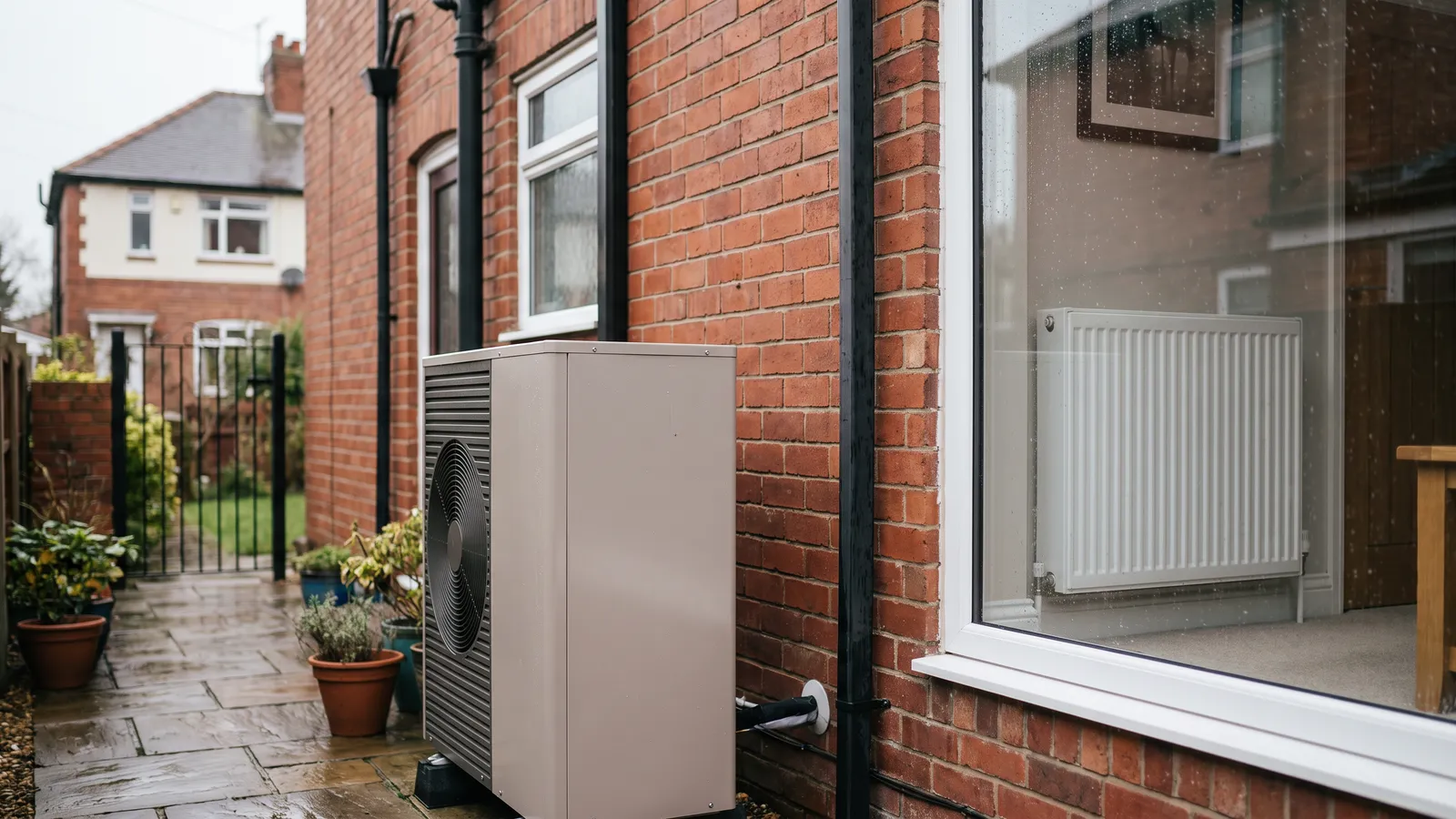
What a heat pump costs in 2026
A typical air-source heat pump installation costs around £11,000, according to the Energy Saving Trust. Real quotes usually land somewhere between roughly £10,000 and £14,000 — the spread comes down to the size of your home, whether it's a straightforward retrofit or needs new radiators and pipework, and how much of the work is bundled in.
That's the sticker price. In England and Wales, the Boiler Upgrade Scheme takes £7,500 off an air-source or ground-source heat pump — applied as an up-front discount by your installer, so a typical install comes down to from around £3,500 out of pocket. From 21 July 2026, off-gas-grid homes on oil or LPG get an uplifted £9,000 grant. Scotland runs a separate scheme (a Home Energy Scotland grant of up to £7,500 plus an optional interest-free loan).
So the grant does most of the heavy lifting on the upfront cost. The harder question — and the one the sales sites gloss over — is what it costs to run.
Will it actually save you money to run?
Here's the honest answer: not automatically. Under the current Ofgem price cap (1 July–30 September 2026), electricity costs about 26.11p per kWh while gas costs about 7.33p — so electricity is roughly three-and-a-half times the price of gas per unit. A heat pump is far more efficient than a boiler, but it runs on that pricier electricity.
The upshot: on a standard electricity tariff, a heat pump can cost about the same as — or slightly more than — a new gas boiler to run. The Energy Saving Trust's own illustrative figures put a heat pump at roughly £992 a year against about £787 for a new gas boiler on standard-tariff prices. Anyone telling you a heat pump is a guaranteed money-saver, or that 'it pays for itself', is overselling it.
What changes the maths is the tariff. Research by Nesta (modelling by Cornwall Insight) found that simply moving to a flexible, time-of-use tariff saved heat-pump households up to £600 a year versus a standard tariff — even without actively shifting when the heat pump ran. Several suppliers now offer dedicated heat-pump tariffs with cheap overnight electricity. Get onto one of those and the running-cost picture shifts in your favour; stay on a standard tariff and it often won't.
Why the numbers depend on your home
A heat pump doesn't blast out heat like a gas boiler. It delivers water to your radiators at a lower 'flow temperature' — typically around 35–55°C, versus 65–75°C for a boiler — and warms the house gently and steadily. The lower the flow temperature it can run at while keeping you comfortable, the more efficient it is (measured as its seasonal performance, or SCOP).
That's why the same heat pump performs very differently in two different houses. A well-insulated home with big radiators or underfloor heating lets it run cool and efficient; a draughty home with small radiators forces it to run hotter and harder, which costs more. This is exactly what a proper heat-loss survey is for — it sizes the system to your actual house rather than a rule of thumb, and a good installer won't quote without one.
When a heat pump might not be right (yet)
A heat pump suits most UK homes — but not all of them, and not always today. It's worth being honest about the situations where it's a weaker fit:
Poorly insulated, hard-to-insulate homes. If heat pours out as fast as the pump puts it in, it has to work harder and run hotter, which cuts efficiency and pushes up bills. Where it's practical, sorting insulation first makes the heat pump work better (and you no longer need to do it before claiming the grant).
No suitable outdoor space. An air-source unit is roughly the size of a washing machine and needs clear space around it for airflow. Flats and homes with no usable external wall or ground space are a poor fit for a standard air-source system.
Listed buildings and conservation areas. Permitted-development rights don't apply to listed buildings or scheduled monuments, and conservation areas have extra restrictions — so you may need full planning permission, which can complicate or delay an installation.
Homes that can only be kept warm at high flow temperatures. If your radiators are old or undersized and can't be upgraded, the heat pump is forced to run hot and inefficient. These homes usually need radiator upgrades first, or a costlier high-temperature heat pump.
Households that will stay on a standard electricity tariff. As above — without a heat-pump or time-of-use tariff, the running-cost savings often don't materialise. If you're not willing to switch tariff, factor that into your decision.
How to get it right
If your home is a reasonable fit, a heat pump is a genuinely sound long-term move — quieter, lower-carbon, and with the grant doing most of the upfront work. To give yourself the best shot at good running costs: insist on a proper heat-loss survey; use an MCS-certified installer (it's required to get the grant anyway); get three quotes and compare them properly; line up a heat-pump or time-of-use tariff before you switch on; and improve insulation first where it's practical.
Do those five things and you've removed most of the ways a heat pump disappoints people. Skip them — especially the survey and the tariff — and you're relying on luck.
Common questions
Does a heat pump save money on bills?
Not automatically. Because electricity costs roughly 3.5 times as much as gas per unit under the July–September 2026 price cap, a heat pump on a standard electricity tariff can cost about the same or slightly more to run than a new gas boiler. The savings come from moving to a flexible or dedicated heat-pump tariff — Nesta found that alone can save up to £600 a year — combined with a well-insulated home and an efficient installation.
How much does an air source heat pump cost in the UK?
A typical installation is around £11,000 (Energy Saving Trust), with most quotes falling between roughly £10,000 and £14,000. In England and Wales the £7,500 Boiler Upgrade Scheme grant brings a typical install down to from around £3,500. From 21 July 2026, off-gas-grid oil or LPG homes get an uplifted £9,000 grant.
Do heat pumps work in cold weather and older houses?
Yes — heat pumps work in sub-zero temperatures and are standard across much colder countries than the UK. Older houses can work well too, but it depends on insulation and radiator sizing: a heat-loss survey will tell you whether your radiators need upgrading to let the system run efficiently.
How do I know if my home is suitable?
A heat-loss survey by an MCS-certified installer is the real test. In general you need somewhere outside for the unit with clear airflow, radiators or underfloor heating able to deliver enough heat at a lower flow temperature, and ideally reasonable insulation. Flats with no external space, and homes that can only stay warm at high flow temperatures, are weaker fits.
What's the best tariff for a heat pump?
A flexible, time-of-use tariff — several suppliers now offer dedicated heat-pump tariffs with cheap overnight electricity. Nesta's research found that being on a flexible tariff saved heat-pump users up to £600 a year versus a standard tariff. Staying on a standard tariff is the single most common reason a heat pump disappoints on running costs.
Sources: Energy Saving Trust — Air source heat pumps: costs, savings and benefits · Ofgem — Energy price cap unit rates and standing charges · Nesta — Can time-of-use tariffs make heat pumps cheaper to run? · GOV.UK — Apply for the Boiler Upgrade Scheme · Planning Portal — Planning permission: air source heat pumps. PreparedBritain is independent and not affiliated with HM Government.
The Blackout Briefing
One calm email when something genuinely matters — severe weather, live incidents, real price drops. No noise.
Keep reading
All money & bills guides →Power cut compensation: what you're owed and how to claim
How much compensation you're owed for a long power cut, the different rules for storms, and how to claim from your…
When the card machine's down: bank outages and keeping a little cash
UK bank IT outages, card and cash-machine failures in a power cut, and why keeping a modest amount of physical cash…
The £30 supermarket 72-hour kit
A genuine three-day emergency kit from one supermarket shop, for about thirty pounds — what to buy, what it costs,…