UK space weather & aurora tracker
How disturbed Earth's magnetic field is right now, what the next three days look like, and whether the Northern Lights might reach the UK — from NOAA data, the Met Office's operational partner.
Source data 20 September 2026 · last checked 20 September 2026, 12:27 · NOAA SWPC
The marker is the storm threshold (Kp 5). Below it, activity is calm; at or above it, a geomagnetic storm is under way on the NOAA G-scale (G1 Minor up to G5 Extreme). Latest reading 20 September 2026, 07:00 (UK time).
Very low — no significant aurora is expected over the UK.
What this means — and what it doesn't
The Kp index measures how disturbed Earth's magnetic field is, from 0 (calm) to 9 (extreme). Most days it sits low and nothing happens. When a solar storm pushes it to 5 or above, two things can follow: the aurora becomes visible further south, and — only in a severe storm — there can be minor effects on GPS accuracy, radio and, at the extreme, the power grid.
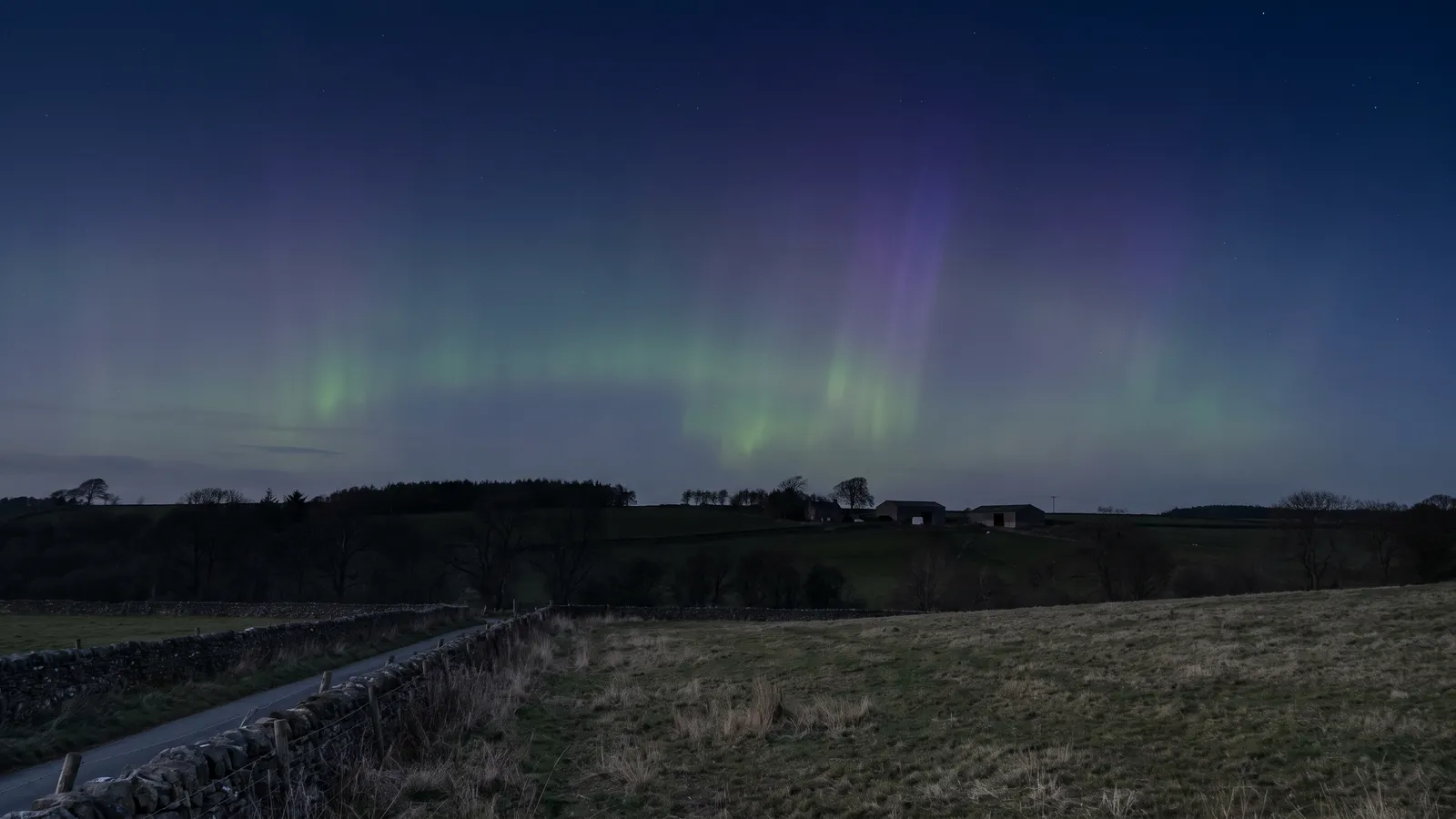
Even the strongest storm in over 20 years, in May 2024, mainly gave Britain a spectacular light show with only minor GPS and radio disruption — not blackouts. The grid is engineered for this. If you want the full, calm picture, read the guide.
Solar storms, the aurora and the grid: a calm guideGet told when a big storm is forecast
We watch the NOAA and Met Office space-weather feeds. Leave your email and we'll tell you when a geomagnetic storm could bring the aurora to the UK — or, rarely, disrupt the grid.
Source: NOAA Space Weather Prediction Center (planetary K-index) — operational partner of the Met Office Space Weather Operations Centre. The Kp index and NOAA G-scale are the standard global measures of geomagnetic activity; UK aurora visibility also depends on clear, dark skies. For official UK warnings see the Met Office Space Weather Operations Centre.