Will there be power cuts in the UK this winter?
Winter 2026/27: the system operator expects enough electricity to meet demand, with a 5.5 GW cushion over peak. The power cuts households actually get come from storms damaging local lines, not a national shortage. What the numbers mean, what to have ready, and who genuinely needs a power station.
By Tom Calder · Updated 21 September 2026 · Sourced to NESO, the network operators and GOV.UK.
The short answer for winter 2026/27
Nationally, no. NESO — the National Energy System Operator, which balances Britain's grid — published its early view of the coming winter and expects the electricity system to remain secure and reliable through winter 2026/27, with a de-rated margin of 5.5 GW, an 8.8% buffer over expected peak demand. It notes that some periods may be more finely balanced, particularly in January. Its full Winter Outlook follows in the autumn, and this page is updated when it does.
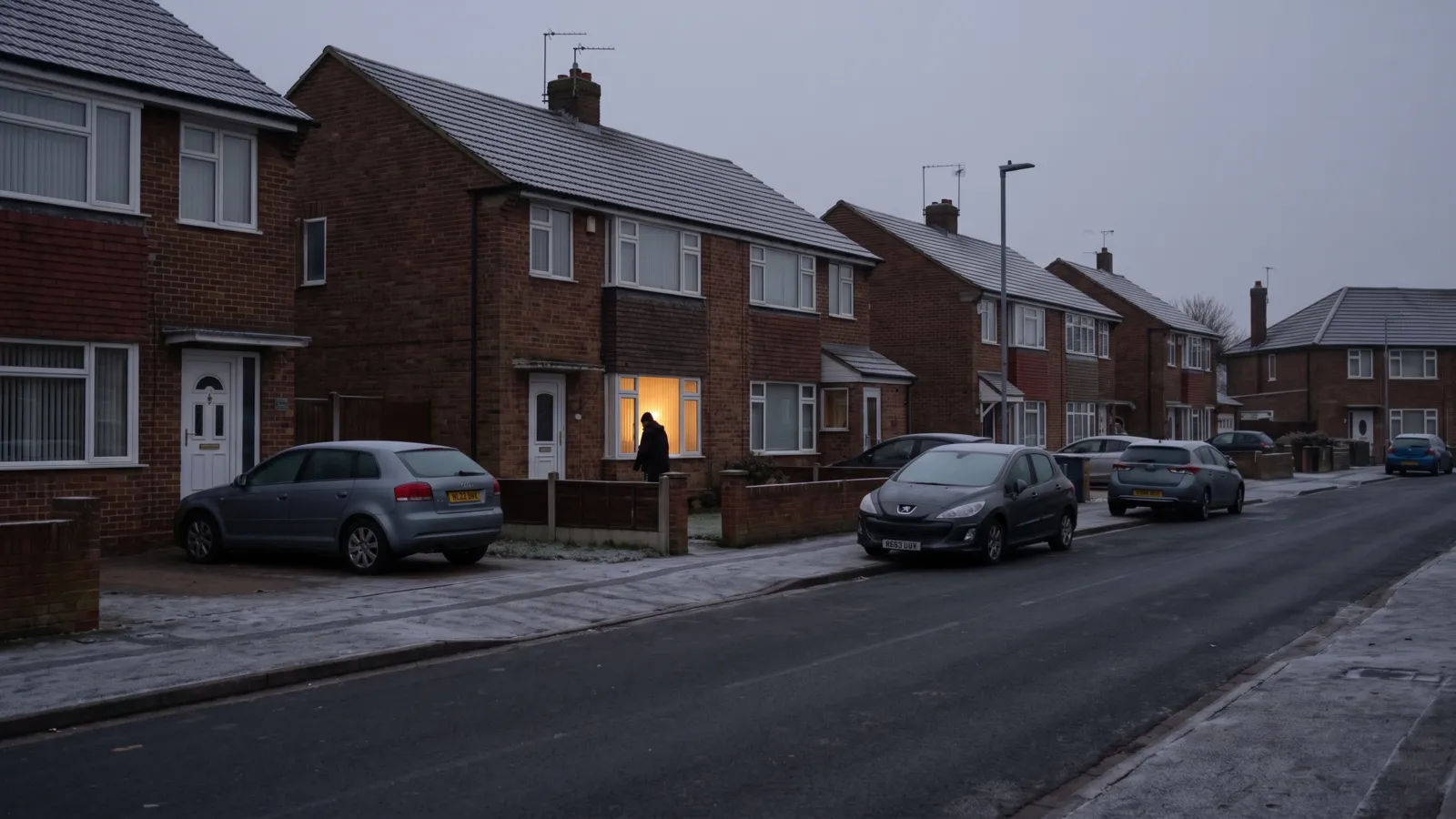
Locally, yes — there always are. The power cuts that actually reach households are caused by weather damaging the local network: a tree on an overhead line, ice on a cable, a flooded substation. Those are the cuts worth preparing for, and they have nothing to do with whether the country has enough generation.
What NESO's numbers mean
The de-rated margin is the gap between the electricity the system can realistically count on at the coldest, darkest, stillest moment of the winter and the demand it expects at that moment. It is de-rated because not every power station or wind farm can be assumed to be running; the figure already discounts for that. A 5.5 GW cushion is comfortable by the standards of recent winters.
When margins tighten — a cold, still evening in January when the wind drops — NESO can issue a notice asking generators to make more capacity available. Those notices make headlines, but they are a routine tool for keeping the margin healthy, not a warning that the lights are about to go out. A national shortfall would be signalled well in advance through official channels, not discovered on the night.
The honest summary is that the national picture is a reason to watch the weather forecast, not the grid.
Where the power cuts actually come from
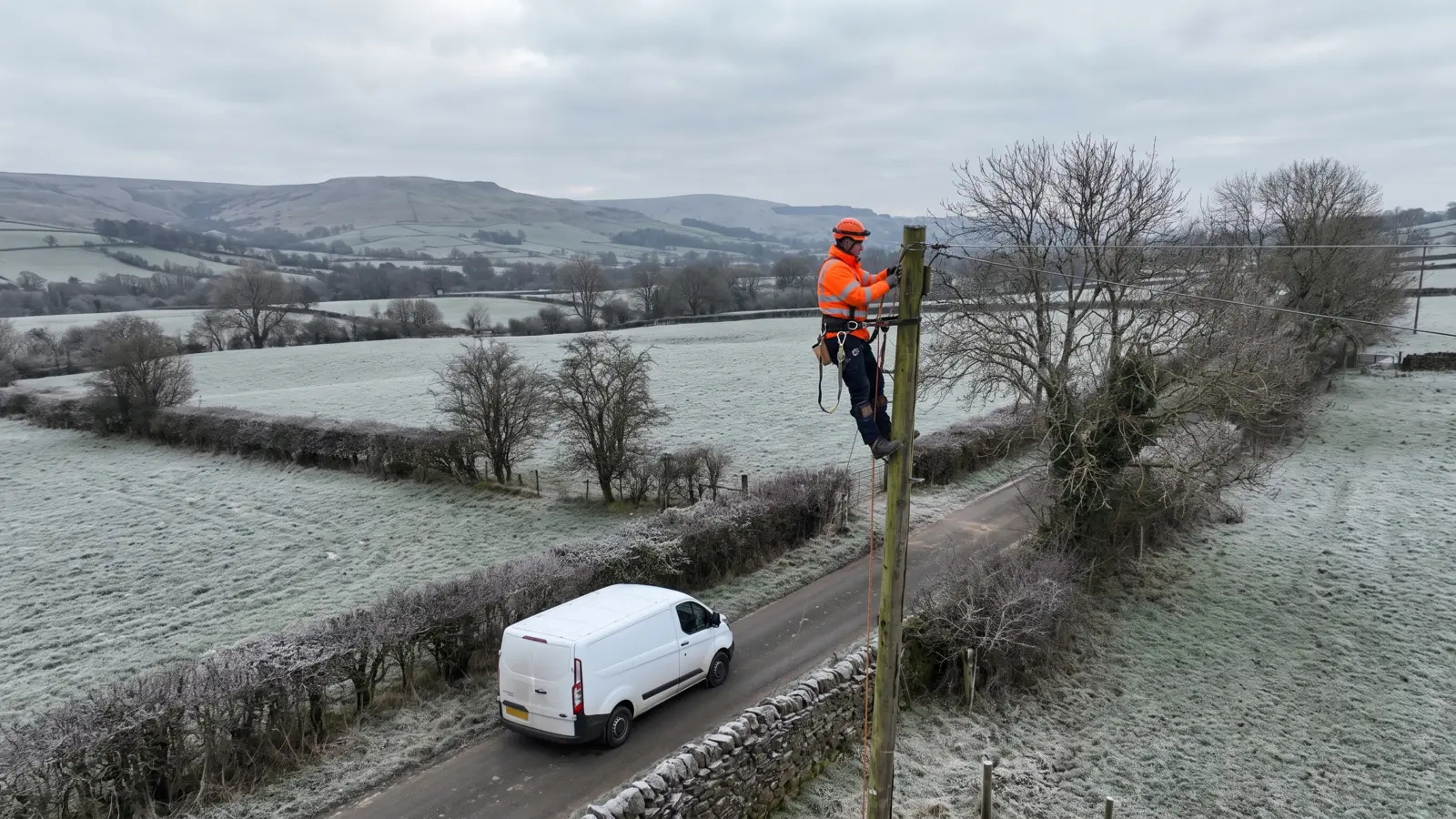
Look at our live power-cut tracker on any given day and you will see dozens of small local faults being fixed, and after a named storm you will see tens of thousands of homes off supply at once. That is the real pattern. The storm names and weather warnings trackers are a better predictor of a power cut at your address than anything NESO publishes.
Most cuts are restored within hours. Rural homes on long overhead lines wait longer, and after a major storm the last properties can be off for days while crews work through the damage. Your electricity network operator — not your supplier — fixes the fault, and 105 reaches them free from any phone in England, Scotland and Wales.
What to have ready
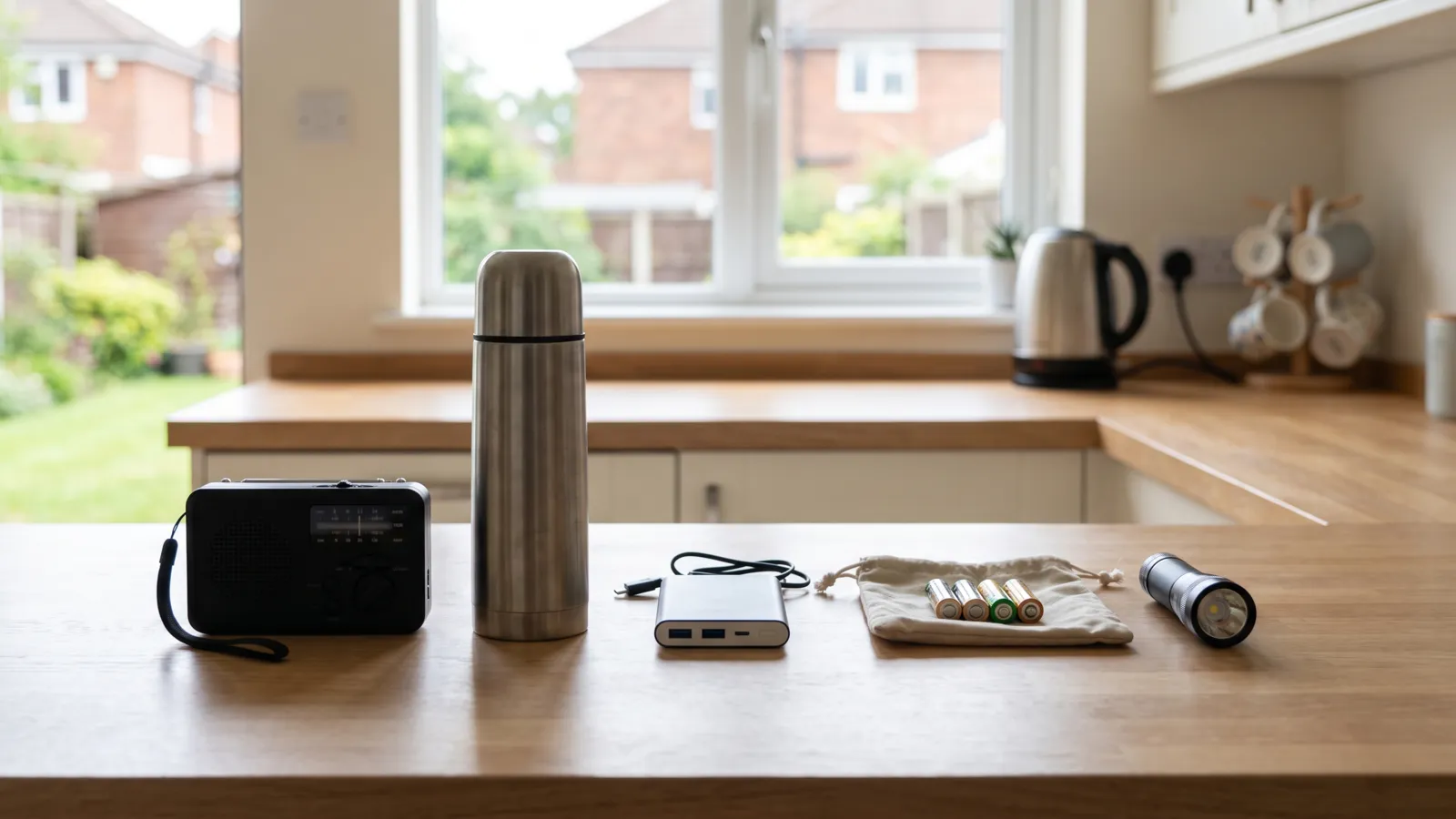
The government's own list for a power cut is short. A torch for every person rather than candles, a battery or wind-up radio for updates when the mobile network is down, a charged power bank so your phone can reach 105, and warm layers and blankets because the heating goes off with the lights.
Keep the fridge and freezer doors shut: our food safety in a power cut guide has the Food Standards Agency's time limits. Save 105 in your phone now, and know where your fuse box is so you can tell a trip from a cut. Our power cut preparation guide walks through the rest, room by room.
The Power Cut Action Card
One page for the kitchen drawer: what to do first, what to have ready, how long food keeps, and how to stay warm without risking carbon monoxide. Free, no catch.
Download it straight away. We'll also send the occasional briefing when something genuinely matters — severe weather, live incidents, real price drops. Nothing else.
If someone at home relies on electricity
If anyone in the house depends on powered medical equipment, is older, disabled or has a young baby, sign up to the Priority Services Register. It is free, you register through your energy supplier or network operator, and it gets you advance notice of planned work and priority help during a cut. Our energy bill help hub explains who qualifies and how to register.
For medical equipment specifically, talk to the network operator in advance about what they can provide during a long cut, and keep the equipment's own battery back-up charged and tested.
Power stations and generators: who actually needs one
Most households do not. A charged power bank keeps phones alive through the longest realistic cut, and that is the item that matters. A portable power station earns its price in three situations: powered medical equipment at home, working from home in an area that loses power often, or a rural property on a long overhead line where multi-day cuts are a known risk. Outside those, it is a comfort purchase, and it is fine to say so.
Petrol generators are a different category of risk. They run outdoors only, well away from doors and windows, because carbon monoxide from a generator in a garage or conservatory kills people every winter. If you are considering one, read our generator safety guide first.
Common questions
Will there be blackouts in the UK this winter?
NESO's early view for winter 2026/27 expects the electricity system to remain secure and reliable, with a 5.5 GW de-rated margin — an 8.8% buffer over expected peak demand — though January may be more finely balanced. Local power cuts from storms and faults will happen as they do every winter.
What is a de-rated margin?
The gap between the electricity the system can realistically rely on at peak and the demand expected at that moment, after discounting for plants and wind farms that cannot be assumed to be running. A larger margin means more cushion.
What number do I call in a power cut?
105, free from any phone in England, Scotland and Wales. It connects you to your local electricity network operator, who fixes the fault, whoever you pay your bill to.
How long does a power cut usually last?
Most are restored within hours. After a named storm, rural properties on overhead lines can be off for longer while crews work through the damage. The Priority Services Register gets vulnerable households extra help.
Should I buy a generator or a power station?
Most households need neither — a charged power bank covers the realistic case. A power station makes sense for powered medical equipment, home working in an outage-prone area, or a rural property with a history of long cuts. Generators are outdoor-only because of carbon monoxide.
Sources: NESO — Winter Outlook (Early View of Winter 2026/27) · GOV.UK Prepare — Power cuts · Energy Networks Association — Power cuts and 105 · Food Standards Agency — Food safety in a power cut · Consumer Council for Water — Priority services · Ofgem — Compensation rules for a power cut. PreparedBritain is independent and not affiliated with HM Government.
Keep reading
All power cuts & energy guides →Which radio actually works in a UK power cut?
Long wave closed in June 2026, and half the wind-up radios on sale here advertise an American weather band that…
Can a power cut damage your appliances?
What really happens electrically when the power comes back on, which appliances are genuinely at risk, and how to…
Are candles safe in a power cut?
Candles started 844 accidental house fires in England last year. The honest answer, the fire-service rules if you…