The National Risk Register 2026, explained for households
Every couple of years the Cabinet Office publishes its assessment of the most serious risks facing the UK. Here's what the 2026 edition highlights — and, calmly, what it means for your home.
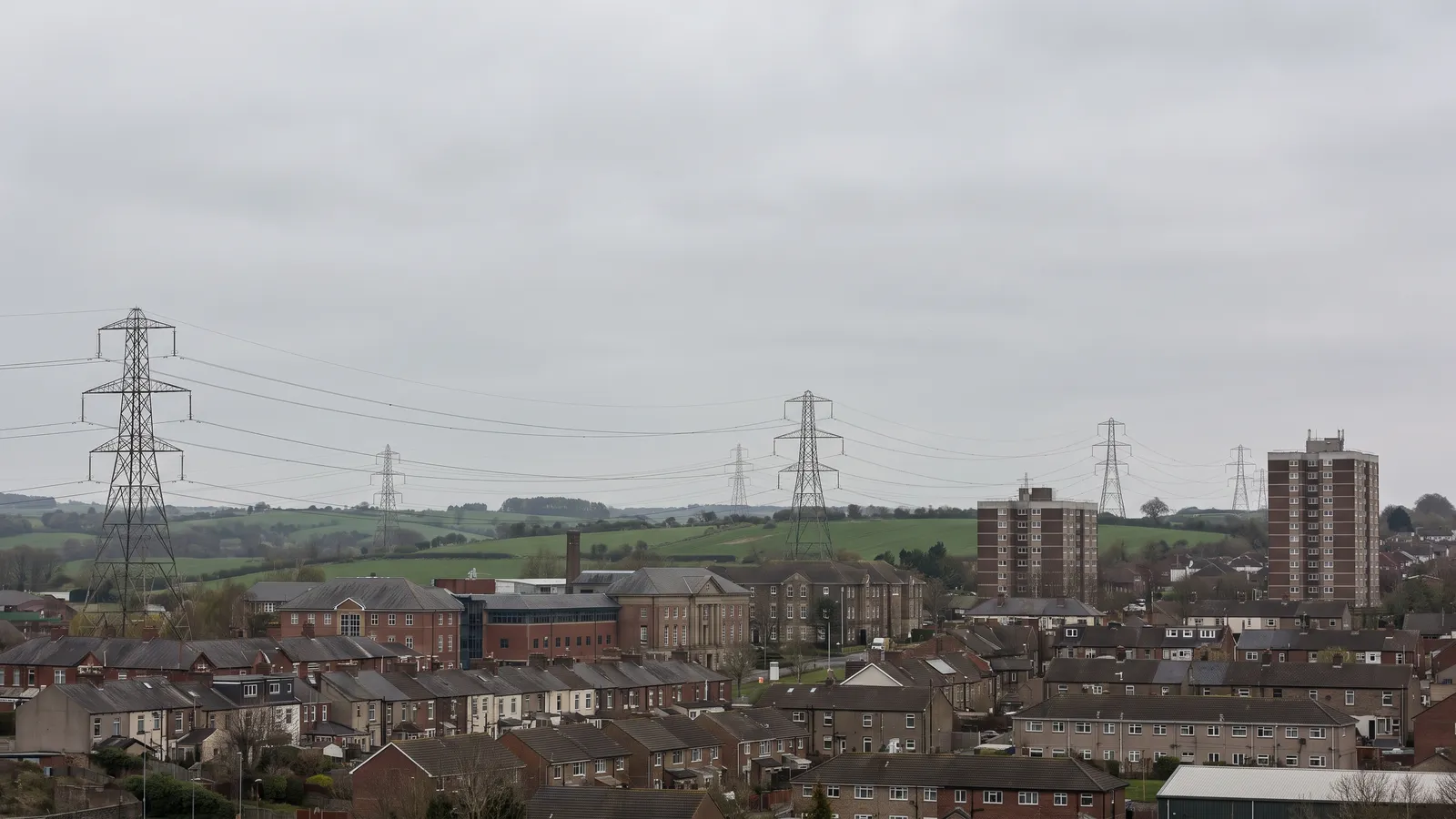
National power outage
Catastrophic (5/5)Water infrastructure failure
Catastrophic (5/5)What a household can actually do
The government's own Prepare campaign answers this, and it's refreshingly ordinary: keep a few days of water and food, a torch and a power bank, a battery radio, and a small grab bag. Our two-minute tool sizes it to your household.
Common questions
What is the National Risk Register?
It's the public version of the government's National Security Risk Assessment — the Cabinet Office's own assessment of the most serious risks that could affect the UK, with each risk's likelihood and potential impact. The 2026 edition was published in July 2026.
Should I be worried about the risks in it?
No — the point isn't fear, it's preparation. Most listed risks are low-likelihood, and the government's own advice is the same calm, practical checklist we follow: store some water, keep a torch and power bank, have a few days of food. The register simply explains why those sensible habits are worth having.
How likely is a national power outage?
The National Risk Register 2026 rates a national electricity failure as low-likelihood but high-impact. Household preparedness for a power cut — light, a way to charge a phone, warm layers, some food that needs no cooking — is proportionate regardless of the exact odds.
Source: National Risk Register 2026 (Cabinet Office, 14 Jul 2026). Figures are the government's own reasonable-worst-case planning assumptions, not forecasts. PreparedBritain is independent and not affiliated with HM Government.
The Emergency Kit Checklist
The GOV.UK Prepare essentials on one printable page — tick them off as you go and keep it with the kit. Free, no catch.
Download it straight away. We'll also send the occasional briefing when something genuinely matters — severe weather, live incidents, real price drops. Nothing else.
Keep reading
All planning & the national picture guides →The UK Emergency Kit List, explained item by item
The Government's recommended kit — with the best products for each item at every budget.
Is the UK government telling people to stockpile food and water?
A post claiming Britain is telling households to stockpile for war is going round. Here is what the government…
Igenix air conditioner not cooling: the fixes that actually work
The hose, seal, filter, drainage and settings checks from Igenix's own manuals — including three built-in behaviours…