Grow your own food: a realistic resilience guide
The calm, honest case for growing some of your own food in the UK — what a garden can and can't do, and the highest-value crops for beginners.
By Tom Calder · Updated 20 July 2026 · Sourced to Defra, the RHS & the ONS
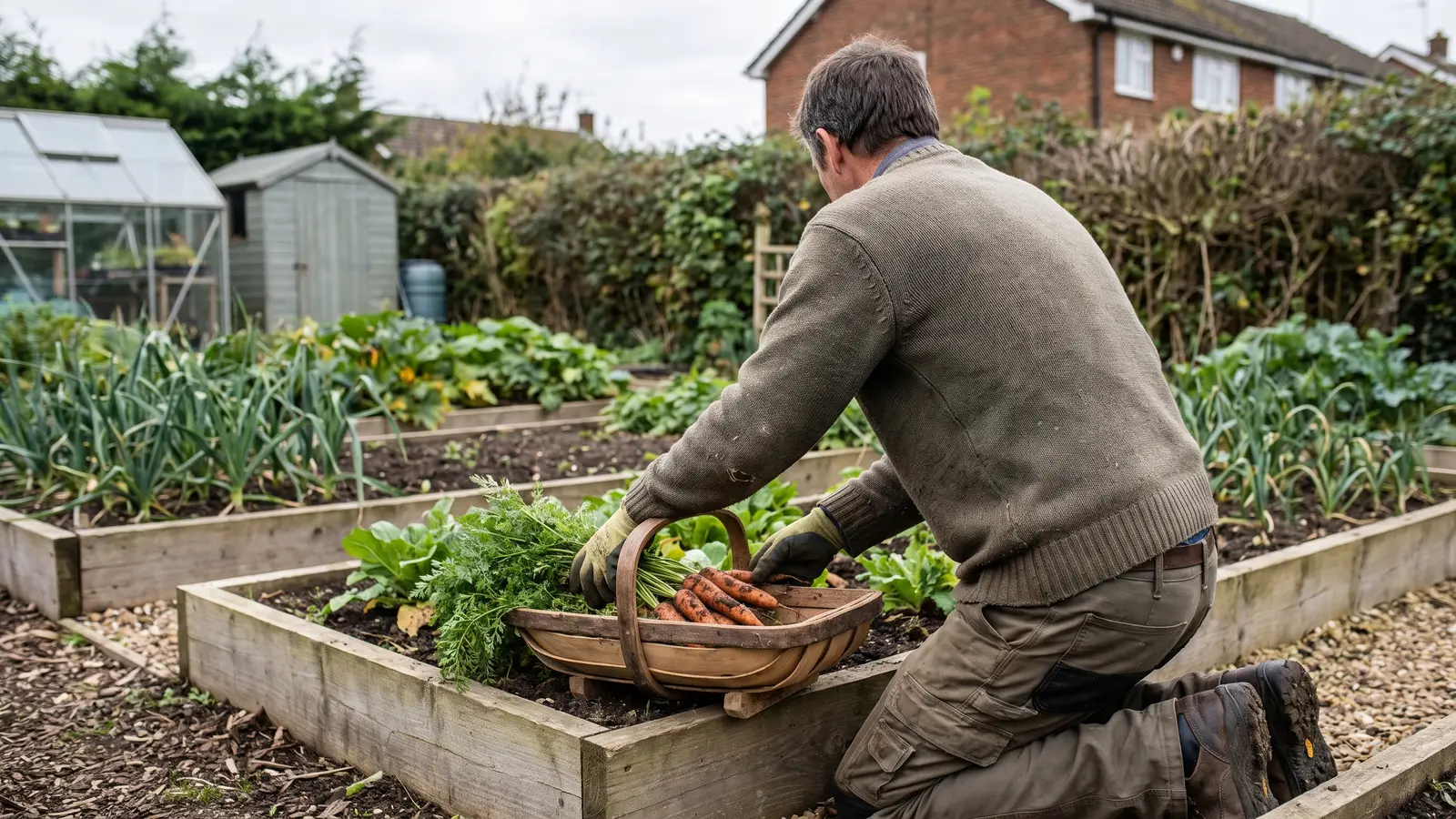
Why grow your own — the calm case
Growing some of your own food is one of the most sensible, satisfying things a household can do — but it's worth being clear-eyed about why. The UK produces roughly 60% of the food it consumes and imports the other 40%, a broadly stable split, and the government is legally required (under the Agriculture Act 2020) to publish a UK Food Security Report at least every three years, plus an annual Food Security Index. In other words, national food supply is watched carefully at the top — and a home veg patch is a personal hedge against a volatile supply chain, not a national solution.
It's also not a way to beat inflation day to day. UK food prices spiked to 19.1% inflation in early 2023 — the fastest in over 40 years — and stayed high, but the durable reason to grow your own is resilience against that kind of volatility, not a monthly saving. Grow it for the freshness, the pleasure and a bit of self-reliance, and the economics look after themselves.
A British tradition, not a fringe hobby
If growing your own feels like something only 'preppers' do, the history says otherwise. During the Second World War the government's 'Dig for Victory' campaign (launched October 1939) turned gardens, parks and spare land into vegetable plots, and UK allotments peaked at around 1.4 million in 1943 — against roughly 330,000 today. It was official, mainstream, and it worked.
And it's mainstream now: about 36% of UK adults grow some of their own vegetables, fruit or herbs. Demand is surging, too — there are over 157,000 people on English council allotment waiting lists, up around 81% since 2011, with an average wait of about three years (and up to 15 years in parts of London). Which is exactly why, for most people, growing in pots and a small garden is the realistic place to start.
The honest reality — what a garden can and can't do
Here's the part a lot of 'grow your own' content skips: a normal garden or even a full allotment cannot make your household self-sufficient in calories. A standard allotment is about 250 square metres, and growing a year's wheat or enough maincrop potatoes to feed a family needs field-scale land. If total self-sufficiency is the goal, a back garden won't get you there — and that's fine.
What a garden genuinely excels at is fresh vegetables, salads, herbs and soft fruit — and, tellingly, those are exactly the categories the UK is least self-sufficient in (around 53% of our vegetables and just 16% of our fruit are home-produced). So the honest framing is 'supplement, not survival': you'll grow the freshest, best-tasting versions of the very things Britain imports most.
Where to start — the five highest-value crops
You don't need an allotment or a greenhouse to begin — a few pots and a sunny windowsill start most of it. For a first year, these five give the most food and confidence for the least fuss: salad leaves (cut-and-come-again, ready in 3–4 weeks, and the priciest, shortest-lived thing in the supermarket); courgettes (one or two plants can feed a family all summer); runner or French beans (they climb, so they need little ground and crop for months); tomatoes (pots, grow bags or a windowsill, and the flavour beats anything shop-bought); and potatoes in a bag (a large container and a few seed potatoes, wonderfully forgiving).
Add a few herbs — perennial, cheap to keep and high-value per pot — and you have a genuinely useful, low-effort start. Grow those well before branching into fiddlier crops like cauliflower or celery.
The kit, sized to your space
You can start with almost nothing, then add kit as your enthusiasm (and harvest) grows. A raised bed or a few containers give you good soil on any surface; a greenhouse or a cheap cold frame extends the short British season and ripens tender crops; seeds and a bit of propagation kit get you going for a few pounds; a compost bin turns waste into free soil food; a water butt and can keep crops alive through a dry summer (and a hosepipe ban); and preserving kit banks a glut for winter — the point where growing your own quietly becomes being prepared.
Start small, keep it enjoyable, and let it grow from there.
Common questions
Can you be self-sufficient growing your own food in the UK?
Not in calories on a normal plot — a standard allotment is about 250m², and growing a family's wheat or maincrop potatoes needs field-scale land. A garden is excellent for fresh veg, salads, herbs and soft fruit, so think supplement, not survival.
Is growing your own food actually worth it financially?
It's a hedge against a volatile food supply and price spikes, not a reliable monthly saving. Some crops (salad leaves, herbs, courgettes) pay for themselves easily; others cost more in effort than they save. Grow it for freshness and resilience, and the value follows.
How much of the UK's food is imported?
Roughly 40% — the UK produces about 60% of the food it consumes, a broadly stable split. Self-sufficiency is very uneven by crop: high for cereals, but only around 53% for fresh vegetables and 16% for fresh fruit, which is exactly where a home garden helps most.
What are the easiest vegetables to grow for beginners?
Salad leaves, courgettes, runner or French beans, tomatoes and potatoes in bags are the most forgiving and productive first crops, along with a few herbs. They give the most food for the least fuss and don't need an allotment.
Do I need an allotment to grow my own food?
No — and with average allotment waits of about three years (far longer in some cities), most people shouldn't wait for one. A few containers, grow bags and a sunny windowsill grow salads, herbs, tomatoes and more; a small raised bed does even more.
Is growing your own food popular in the UK?
Yes — about 36% of UK adults grow some of their own vegetables, fruit or herbs, and allotment waiting lists have risen around 81% since 2011. It's firmly mainstream, with a long British tradition going back to wartime 'Dig for Victory'.
Sources: Defra — UK Food Security Report 2024 · RHS — Grow Your Own · ONS — Food price inflation · Imperial War Museums — Dig for Victory. PreparedBritain is independent and not affiliated with HM Government.
The Emergency Kit Checklist
The GOV.UK Prepare essentials on one printable page — tick them off as you go and keep it with the kit. Free, no catch.
Download it straight away. We'll also send the occasional briefing when something genuinely matters — severe weather, live incidents, real price drops. Nothing else.
Keep reading
All food & growing guides →Fuel shortages: what to do, and what not to do
The 2021 UK fuel crisis was panic-buying, not a fuel shortage. How forecourts really run, the calm response that…
How to prepare for food shortages in the UK
What UK food security actually looks like, why shelves occasionally gap, and the calm two-week larder that makes…
Use-by vs best before: which food dates actually matter
The FSA's rule: use-by is safety, best before is quality. Which foods are genuinely fine past the date — tins, dried…