Best vegetable seeds & propagation kits for beginners (2026)
Seeds are where growing your own gets almost absurdly good value: a £2 packet holds dozens or hundreds of plants, and a windowsill is enough to start most of them. Here's what to buy to get going — the easy, high-value crops for beginners, and the propagation kit that helps (and the kit you can skip).
By Tom Calder · Updated 20 September 2026 · 6 products, 1 of 6 price-tracked
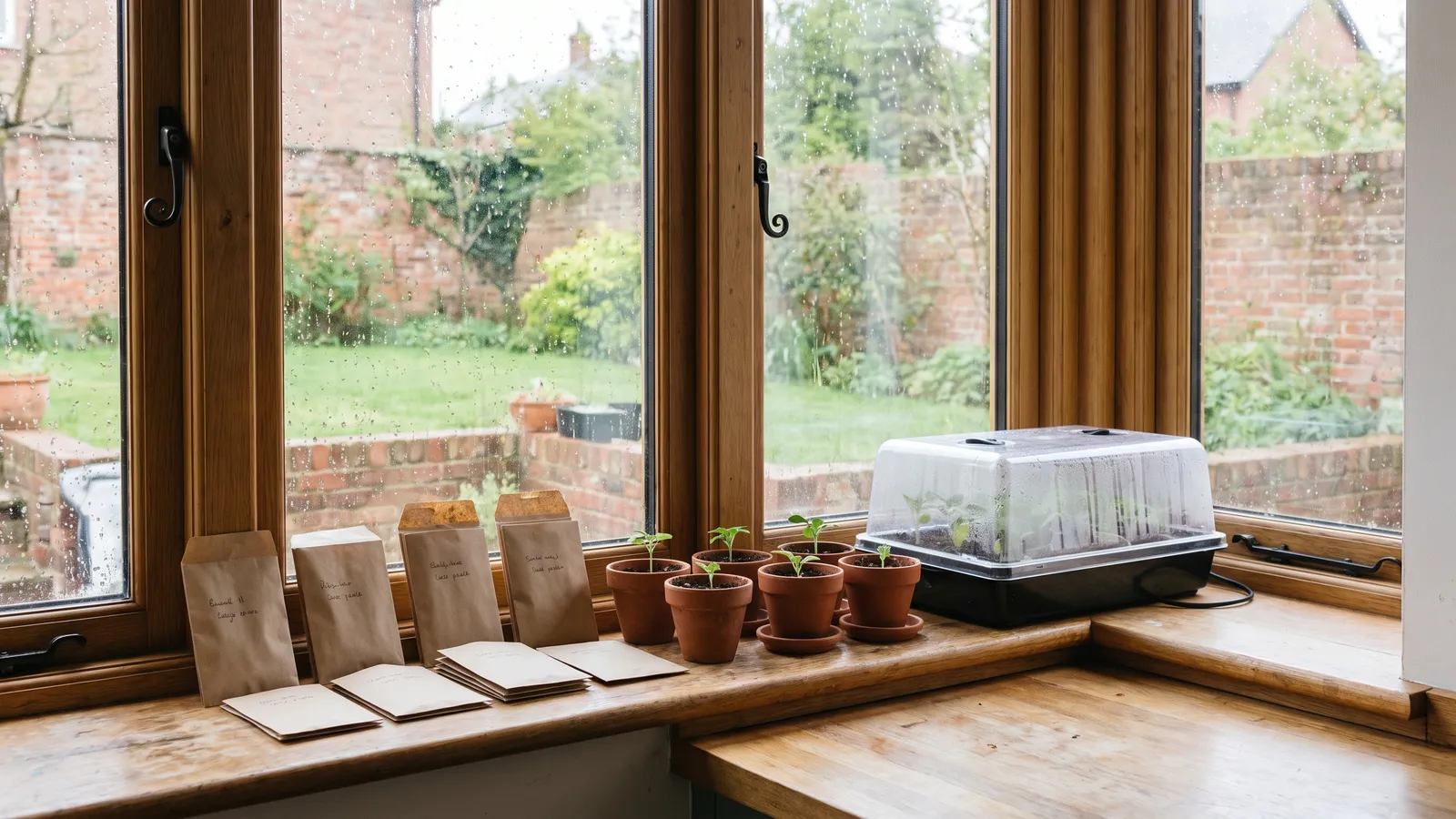
Before you buy
Start with the easy winners. For a first year, salad leaves (cut-and-come-again), herbs, courgettes, runner or French beans, radishes and a couple of tomato plants give the most food and confidence for the least fuss. Potatoes in a bag and 'grow your own' salad kits are foolproof. Leave trickier crops (cauliflower, celery, aubergines) until you've got a season under your belt.
Buy fresh, and buy for your calendar. Reputable UK suppliers (Suttons, Thompson & Morgan and similar) sell reliable, correctly-timed seed; a curated beginner collection saves you choosing. Old seed germinates poorly, so buy fresh each year for the crops that matter. Note what each packet says about sowing month — timing is everything, which is why we keep a month-by-month sowing guide.
Add propagation kit sparingly. A sunny windowsill, some small pots or modules and a bag of seed compost start most vegetables. A heated propagator genuinely helps with heat-lovers sown early — tomatoes, chillies, peppers — by giving reliable warmth for germination, so it's worth it if you'll grow those from seed. Otherwise it's a nice-to-have, not a need.
Top pick: Vegetable Seed Collection (starter set). A sensible, forgiving introduction to growing your own, pairing genuinely beginner-friendly varieties like radish, lettuce and courgette with clear sowing guidance. Think of it as a slow, seasonal resilience project rather than anything you can lean on in an actual emergency.
| Seeds | Contents | Sow | Type | Price | |
|---|---|---|---|---|---|
| Vegetable Seed Collection (starter set)TOP PICK | ~8 easy-grow veg varieties (some sets add windowsill trays) | Spring, Mar-May (some indoors from Feb) | Vegetable seed collection (beginner) | — | See price on Amazon → |
| Heritage Tomato Seed Collection | Multiple heritage varieties (~25 seeds per packet) | Feb–Apr | Heritage, open-pollinated | — | See price on Amazon → |
| Winter Vegetable Seed Collection | 8-12 seed packets (kale, leek, cabbage, parsnip, swede, onion, cauliflower etc.) | Mar-Aug, harvest autumn-winter | Hardy winter/overwintering veg seeds | £9.58as of 20 Sep 2026, 12:29 BST · DetailsProduct prices and availability are accurate as of the date/time indicated and are subject to change. Any price and availability information displayed on Amazon.co.uk at the time of purchase will apply to the purchase of this product. | Check price → |
| Culinary Herb Seed Kit | 6-10 culinary varieties | Mar-Aug outdoors; year-round on a warm windowsill | Culinary herb seed collection (annuals & perennials) | — | See price on Amazon → |
| Electric Heated Propagator | Heated base, seed tray & vented lid | Jan-Apr | Electric, non-thermostatic | — | See price on Amazon → |
| Windowsill Grow-Your-Own Salad Kit | Salad-leaf seeds, compost & windowsill trough | Year-round indoors | Cut-and-come-again salad leaves | — | See price on Amazon → |
ⓘ As an Amazon Associate, PreparedBritain earns from qualifying purchases. We may earn a commission when you buy, or a fee when you request a quote, through our links — it never affects what we recommend. Amazon prices come from Amazon's own product data and show the date and time they were retrieved. Prices at other retailers are checked by us, less often. Prices and stock can change at any time, so always check the retailer's price before you buy.
Vegetable Seed Collection (starter set)
4.0Who it's for: First-time growers wanting a low-cost, easy-win vegetable patch.
A sensible, forgiving introduction to growing your own, pairing genuinely beginner-friendly varieties like radish, lettuce and courgette with clear sowing guidance. Think of it as a slow, seasonal resilience project rather than anything you can lean on in an actual emergency.
- Chosen varieties are among the easiest to grow, so early success is likely
- Low outlay for a season's worth of fresh veg, and packets store for future years if kept cool and dry
- Full sowing instructions on each packet make it approachable with no prior experience
- Mostly spring-sown annuals, so it is a months-long payoff, not instant food
- Several F1 hybrids in the mix don't reliably come true if you try to save seed
Don't buy if Don't buy this expecting an emergency food source or a long-term seed bank: it won't feed you in a crisis, and the F1 hybrids can't be reliably seed-saved year to year. If your aim is a self-renewing store, choose open-pollinated or heirloom varieties instead.
Heritage Tomato Seed Collection
3.8Who it's for: Gardeners building longer-term food resilience who want to save and resow their own seed.
A low-cost way to add open-pollinated, seed-saveable tomato varieties to a home veg plot from a long-established UK seed house. Treat it as a slow-burn self-sufficiency buy rather than anything for an emergency shelf.
- Open-pollinated heritage varieties, so seed can be saved and resown year to year (unlike F1 hybrids)
- Inexpensive and from a reputable, long-established UK supplier
- Heritage types are well regarded for flavour and give a spread of fruit shapes and cropping times
- Needs a greenhouse or warm windowsill and months of growing before any harvest
- Germination rates fall as seed ages, so it isn't a stockpile-and-forget item
Don't buy if You want food you can eat now — seeds are a full growing-season project, not a store-cupboard staple. Skip it too if you have no greenhouse, sunny windowsill, or time to raise plants from late winter.
Winter Vegetable Seed Collection
3.8Who it's for: Households wanting a cheap start on cold-hardy, grow-your-own veg for the leaner months.
A low-cost, sensible bundle of proven hardy varieties - kale, leek, parsnip, winter cabbage - that crop through autumn and the hungry gap. A good long-term resilience buy, but seeds are a season-ahead project, not emergency food.
- Cheap per variety, often under £1 a packet, so a low-risk way to start a productive winter plot
- Sensible, genuinely hardy varieties that stand through frost and fill the late-winter 'hungry gap'
- Seeds keep for a couple of years if stored cool and dry, and most packs include sowing instructions for beginners
- Packet counts and exact varieties vary a lot between sellers, so you may get crops that don't suit your space or taste
- Needs months of lead time, growing space and some skill - no use for an acute shortage
Don't buy if you're buying for short-term emergency food security - seeds take a full season to feed you, so store shelf-stable food for that and treat seeds as the slow, resilient backup.
as of 20 Sep 2026, 12:29 BST · Details
Product prices and availability are accurate as of the date/time indicated and are subject to change. Any price and availability information displayed on Amazon.co.uk at the time of purchase will apply to the purchase of this product.Culinary Herb Seed Kit
3.5Who it's for: Beginners wanting fresh cooking herbs on a windowsill, and a low-cost first step toward growing your own.
A cheap, cheerful way to keep basil, parsley and coriander within reach of the kitchen, and a sensible starting point for anyone curious about growing a little of their own food. Treat it as a pantry nice-to-have rather than a preparedness essential.
- Inexpensive and beginner-friendly; most kits include the pots, compost and labels to get going.
- Seeds keep for two to three years stored cool and dry, so there is no rush to sow everything at once.
- Trims a small recurring cost from the shop and reduces reliance on the supermarket for fresh herbs.
- Herbs are a garnish, not a food store; negligible calories and weeks to grow, so they add little to genuine food resilience.
- The pots and compost discs in budget kits are flimsy and you will likely want to upgrade to proper pots.
Don't buy if Don't buy this hoping it contributes to emergency food resilience; for that, put the money toward calorie-dense staples first. And skip the kit entirely if you already own pots and compost, as loose seed packets from a garden centre cost a fraction of the price.
Electric Heated Propagator
3.5Who it's for: Getting an early start on tender seeds like chillies, tomatoes and peppers on a windowsill.
A low-cost, low-wattage way to give tender seeds the gentle bottom heat they need to germinate weeks earlier. Simple and effective, though basic models have no thermostat, so you manage temperature by opening the vents.
- Cheap to buy and very cheap to run, typically 8-22W
- Meaningfully faster, more reliable germination for heat-loving seeds
- Adjustable vents help control humidity and reduce damping-off
- No thermostat on basic models, so seedlings can overheat on a sunny sill
- Fixed single-tray size limits how much you can sow at once
Don't buy if You only sow hardy seeds in spring, or already start seeds in a warm airing cupboard, in which case you may not need added heat at all.
Windowsill Grow-Your-Own Salad Kit
3.5Who it's for: First-time growers who want fresh cut-and-come-again leaves on a kitchen windowsill.
A tidy, low-effort way to keep salad leaves going on a bright windowsill for much of the year. Best seen as a pleasant top-up to fresh greens rather than any serious contribution to household resilience.
- Genuinely beginner-friendly — sow, water and cut, with little that can go wrong
- Cut-and-come-again varieties give several harvests from a single sowing
- Compact and self-contained; needs only a bright indoor windowsill
- Yields are modest — enough for a garnish or side, not to feed a household
- You can buy the same seeds, compost and a tray separately for noticeably less
Don't buy if Don't buy it as emergency food — a windowsill of leaves won't meaningfully feed you in a crisis, and confident growers will get better value assembling seed, compost and a tray themselves.
Get price-drop alerts on these
Prices for 364 tracked products are refreshed daily — last sweep 20 September 2026. Tell us which and we'll email you when one drops.
We verify every product's specifications against at least two independent sources, re-check its UK price and stock on a schedule where we can track it automatically, and cross-check safety-relevant claims against official guidance. Where we've bought and used a product ourselves we say so on its review; where we haven't, our verdict is a considered spec-and-evidence comparison, not a hands-on test — and commissions never change a ranking either way. Read our full methodology →
Guides that go with this
A month-by-month UK guide to what vegetables to sow and plant — indoors and out — from January to December. Ju…
The calm, honest case for growing some of your own food in the UK — what a garden can and can't do, and the hi…
Common questions
What are the easiest vegetables to grow from seed in the UK?
Salad leaves, herbs, radishes, courgettes, runner and French beans, and potatoes (in bags) are the most forgiving and productive for beginners. A couple of tomato plants are very rewarding too. Leave fiddly crops like cauliflower and celery for later.
Do I need a heated propagator?
Only really for heat-loving crops sown early indoors — tomatoes, chillies and peppers — where steady warmth aids germination. For most vegetables a sunny windowsill, pots and seed compost are enough, so buy a propagator only if you'll grow those from seed.
Should I buy fresh seed every year?
For the crops that matter, yes — old seed germinates poorly and unevenly. Some seed (beans, squash) keeps a few years if stored cool and dry, but buying fresh from a reputable supplier removes the guesswork of a failed sowing.
Seed collection or individual packets?
A curated beginner collection is a great, cheap start — it picks reliable, well-timed crops for you. Once you know what you like and eat, individual packets let you grow exactly what you want and save the rest.
When should I sow vegetable seeds?
It depends on the crop — some start indoors in late winter, most are sown from spring, and some are sown in autumn to overwinter. Follow the packet, and see our month-by-month UK sowing calendar for what to start when.
Can I grow vegetables from seed on a windowsill?
Yes — salad leaves, herbs and microgreens grow happily on a bright windowsill all year, and it's the ideal place to start seedlings of most crops before planting out. A south-facing sill is best; turn pots regularly so seedlings don't lean.