Fuel shortages: what to do, and what not to do
The 2021 UK fuel crisis was panic-buying, not a fuel shortage. How forecourts really run, the calm response that refills the pumps within days, and the law on storing petrol at home.
By Tom Calder · Updated 20 July 2026 · Sourced to GOV.UK, the HSE & the 2021 crisis record
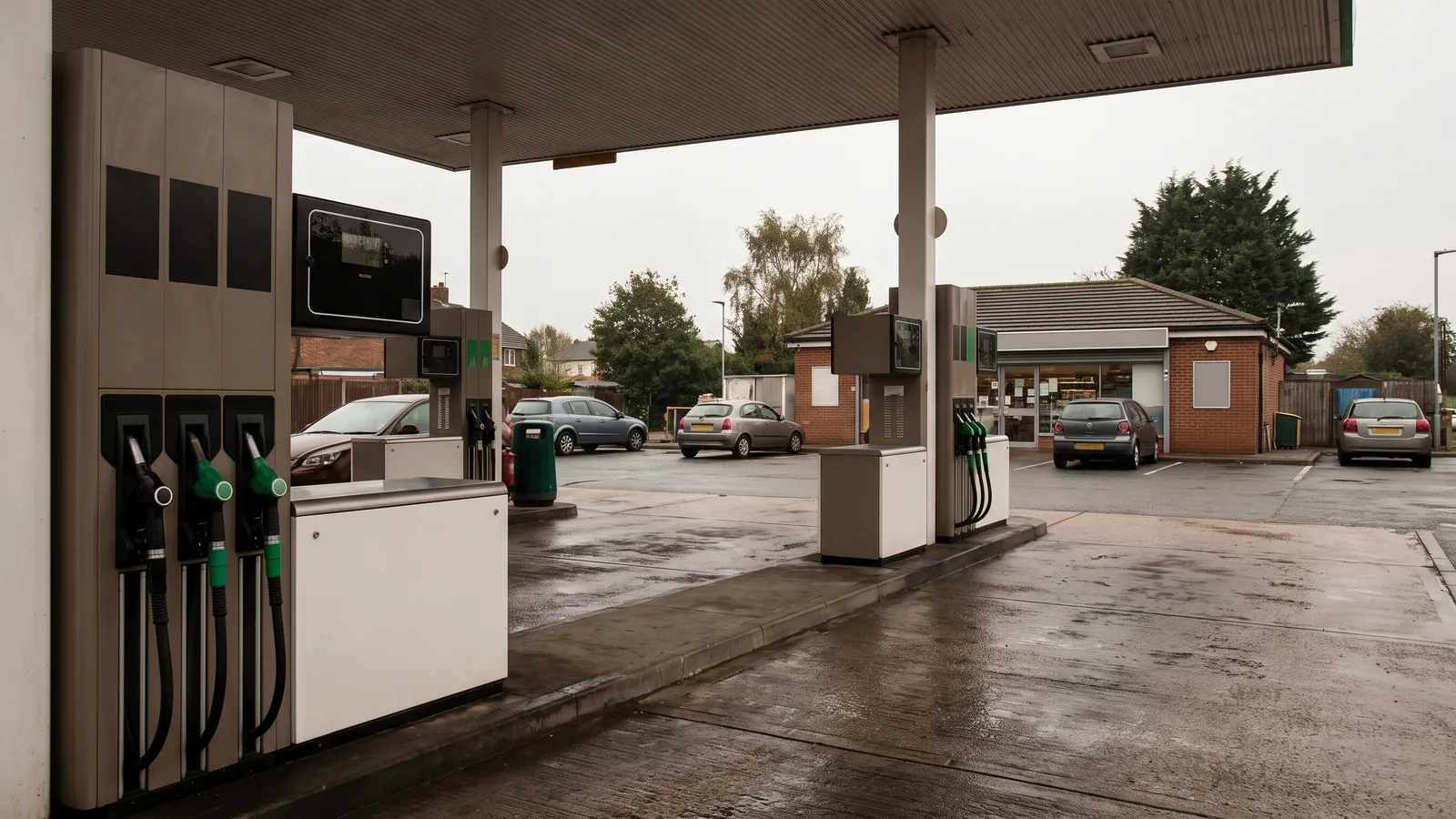
The lesson of 2021: queues cause the shortage
The autumn 2021 fuel crisis is the most useful case study Britain has, because of what caused it. It was panic buying, not a shortage of fuel. It was triggered on 23–24 September 2021 after media reports that BP was temporarily closing or rationing a small number of forecourts because of a shortage of HGV tanker drivers to deliver stock. There was plenty of fuel at refineries and terminals throughout.
The pumps ran dry purely because demand spiked. Petrol sales roughly doubled versus the previous week as motorists rushed to top up. By 26 September BP reported around 30% of its sites had run out of both main grades, and Reuters reported 50–90% of forecourts dry in some regions of England — despite deliveries to those forecourts remaining broadly normal. The fuel was there; everyone just tried to buy it at once.
Why forecourts empty so fast
UK petrol stations run on a just-in-time model. A station holds only a limited amount of fuel in its underground tanks and relies on frequent tanker replenishment rather than large buffer reserves. That's efficient in normal times, but it means a sudden surge in demand — or a shortfall of delivery drivers — empties the tanks faster than the delivery system can refill them.
So a forecourt showing empty pumps usually doesn't mean the country is short of fuel. It means that particular site is between deliveries and more people than usual got there first.
The calm response — which actually works
The official advice throughout 2021 was to buy fuel as normal. The government and a joint statement from the oil companies stressed there was "plenty of fuel at UK refineries and terminals," and the message was to fill up in the normal way, when you really need it.
That advice works because when supply is normal, the shortfall is created entirely by everyone topping up at once. If drivers buy only the fuel they actually need, forecourt stocks recover — and they did: once the panic subsided, the 2021 pumps refilled within roughly a week, with stock levels back to a spring high by 22 October 2021.
Behind the scenes the government also acted: temporary visas for up to 5,000 HGV drivers plus 300 fuel-tanker drivers, a Competition Act exemption letting suppliers coordinate deliveries, and nearly 200 military tanker drivers deployed from 4 October. But the thing that ended the crisis was people calming down.
A sensible buffer, without panic
The genuinely useful habit is boring: don't run your tank down to empty as a matter of routine. Keeping it above a quarter — half if you like — means a brief disruption never strands you, and crucially you're never forced to join a queue at the worst moment. That's the whole strategy for the ordinary driver.
Storing fuel in jerry cans as a hedge is a different matter — it's tightly regulated, a real fire risk, and rarely worth it for a household. The next section covers the law if you do want a small reserve for a generator, mower or boat.
The law on storing petrol at home
You may store up to 30 litres of petrol at home without notifying anyone. Storing more than 30 and up to 275 litres requires written notification to your local Petroleum Enforcement Authority (usually the council or fire authority); above 275 litres you need a storage licence.
Petrol must be kept in suitable, approved containers: UN-approved plastic containers up to 10 litres each, metal containers up to 20 litres each, or a single demountable fuel tank up to 30 litres. It should be stored outside living accommodation — a garage or shed — because petrol vapour, not the liquid, is the main hazard.
Diesel is far less volatile and less tightly regulated, but the same common sense applies: approved containers, stored safely away from ignition sources and living space.
Common questions
Was there really a fuel shortage in 2021?
No. There was plenty of fuel at refineries and terminals throughout — the crisis was caused by panic buying after reports of a tanker-driver shortage. Demand roughly doubled and emptied forecourts that were still being supplied normally.
What should I do in a fuel shortage?
Buy only the fuel you actually need and don't panic-top-up. When supply is normal, the shortfall is created by everyone filling up at once, so restrained buying lets stocks recover — in 2021 the pumps refilled within about a week.
Why do petrol stations run out so quickly?
They use a just-in-time model with only limited underground stock, relying on frequent tanker deliveries rather than big reserves. A demand surge empties the tanks faster than deliveries can refill them, even when national fuel supply is fine.
How much petrol can I legally store at home?
Up to 30 litres with no notification; between 30 and 275 litres you must notify your local Petroleum Enforcement Authority; above 275 litres you need a licence. It must be stored outside living accommodation.
What containers can I store petrol in?
Only suitable approved ones: UN-approved plastic containers up to 10 litres, metal containers up to 20 litres, or a single demountable tank up to 30 litres — kept in a garage or shed, away from ignition sources.
How long did the 2021 crisis last?
About a week once panic buying subsided, with forecourt stock levels back to a spring high by 22 October 2021 — a good illustration of how quickly a demand-driven shortage resolves when people stop rushing.
Sources: HSE — Storing petrol safely at home · GOV.UK — Government response to the 2021 fuel supply situation · House of Lords Library — HGV driver shortage. PreparedBritain is independent and not affiliated with HM Government.
The Emergency Kit Checklist
The GOV.UK Prepare essentials on one printable page — tick them off as you go and keep it with the kit. Free, no catch.
Download it straight away. We'll also send the occasional briefing when something genuinely matters — severe weather, live incidents, real price drops. Nothing else.
Keep reading
All food & growing guides →How to prepare for food shortages in the UK
What UK food security actually looks like, why shelves occasionally gap, and the calm two-week larder that makes…
Use-by vs best before: which food dates actually matter
The FSA's rule: use-by is safety, best before is quality. Which foods are genuinely fine past the date — tins, dried…
How much emergency food should you store? A per-person guide
The maths done for you: turn about 2,000 kcal and 3 litres of water per person per day into concrete food and water…