Do you need to take a meter reading before 1 October?
The energy price cap rises to £1,723 on 1 October 2026. If you have a working smart meter you need do nothing. If you don’t, a reading is worth two minutes — but it is pounds, not hundreds. And the scary January figure in the headlines is a forecast, not Ofgem’s.
By Tom Calder · Updated 21 September 2026 · Sourced to Ofgem, GOV.UK and the suppliers’ own pages
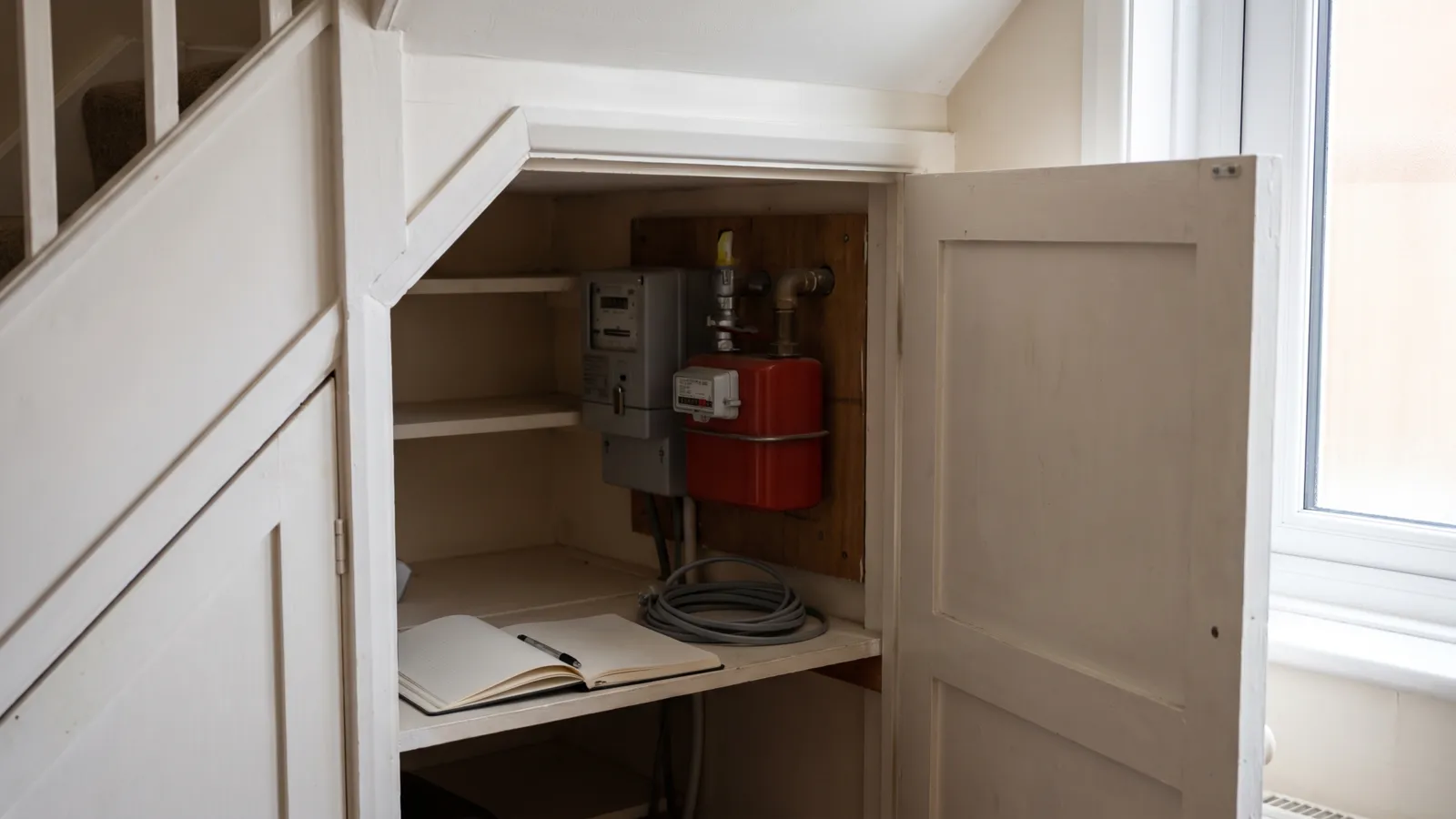
What is changing on 1 October
Ofgem’s price cap for 1 October to 31 December 2026 is £1,723 a year for a typical household paying by Direct Debit for gas and electricity. That is £60, or 4 per cent, more than the £1,663 cap that applied from July to September. Ofgem announced it on 26 August.
The cap is a limit on unit prices, not on your bill. From October the average Direct Debit rates are 26.32p per kWh for electricity with a 54.83p daily standing charge, and 7.97p per kWh for gas with a 29.68p daily standing charge. Use more than “typical” and you pay more; use less and you pay less.
One thing that confuses comparisons with last year: in July Ofgem lowered its definition of a typical household to 2,500 kWh of electricity and 9,500 kWh of gas a year. The headline number dropped as a result, without anybody’s rates getting cheaper. Always compare unit rates, not headline caps.
Do you need to send a reading?
If you have a smart meter that is working and sending readings, no. Your supplier already knows exactly what you used before and after the change. British Gas, EDF, E.ON Next and Octopus all say the same.
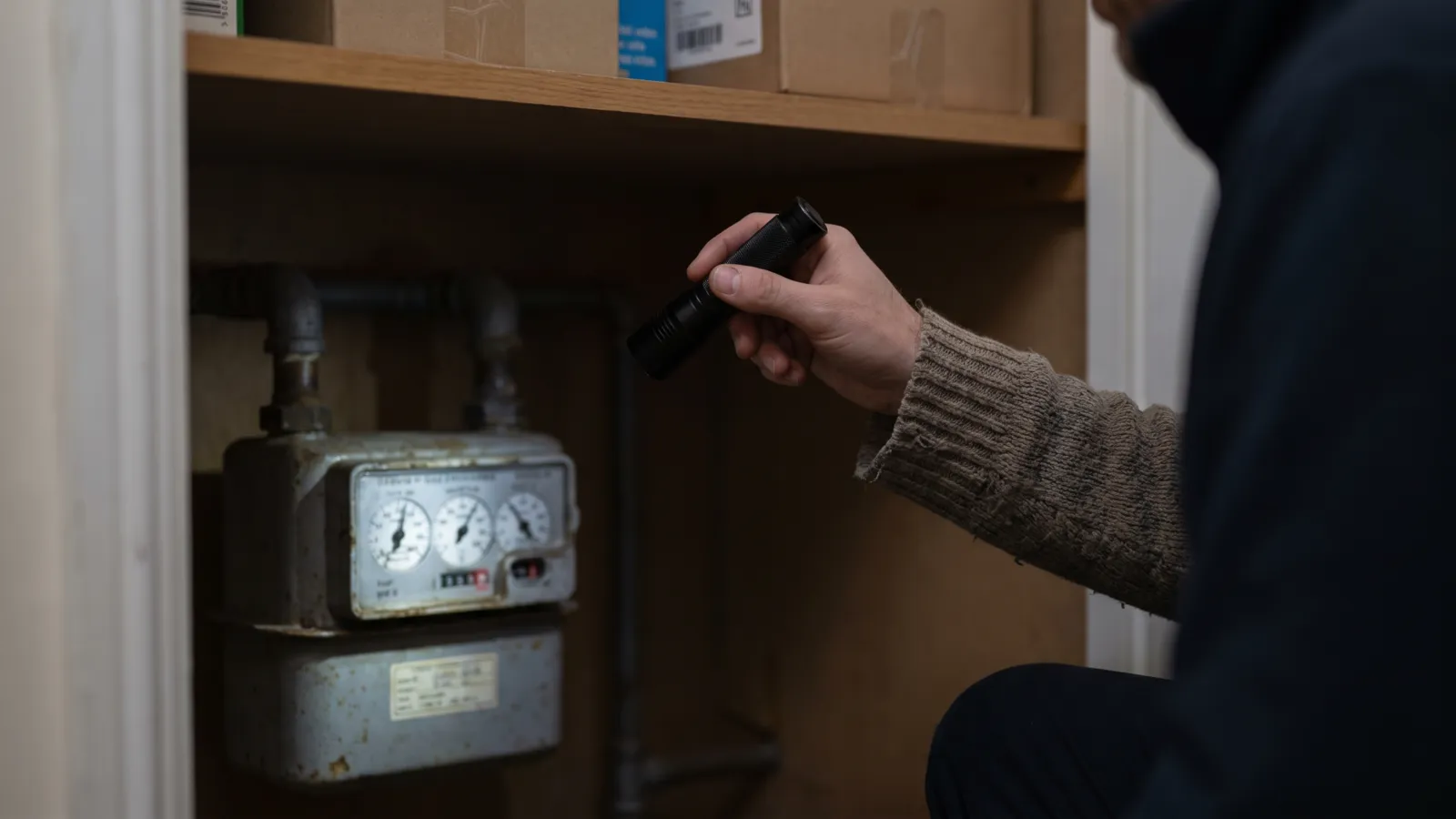
If you have a traditional meter, or a smart meter that has stopped communicating, a reading on or around 30 September is worth the two minutes. Without one, your supplier estimates how much you used before the price rose. If it guesses wrong, some of your cheaper September energy gets billed at October rates.
How much is actually at stake
Be realistic about it. The rise is 4 per cent. For your bill to be meaningfully wrong, the estimate would have to be badly out, and even then the error is 4 per cent of the mis-dated energy. For most homes that is somewhere between pennies and a few pounds.
So do it, because it is free and accurate bills are better than estimated ones. But the headlines that treat it as a deadline with serious money attached are overselling it. It matters far more when a rise is large — and whenever you have been on estimates for months, which is a reason to send a reading regardless of the date.
You have not missed it if it is 2 October
You do not need to stand by the meter at midnight. Suppliers accept readings in a window around the change. British Gas accepts them from a few days before to up to 14 days after; E.ON Next says five days either side; Octopus asks for a reading on or close to the date, and EDF accepts one shortly after.
The common advice to take a photo comes from MoneySavingExpert, as your own proof of the reading and the date if there is ever a dispute. It is a sensible habit. The suppliers themselves only ask for the numbers.
The “£442 rise” is a forecast, not a fact
Some coverage warns of a £442 rise in bills. That is not Ofgem’s figure and it is not about October. It comes from EDF’s forecast for the January 2027 cap — £2,165, a rise of 26 per cent.
Forecasts differ widely. Cornwall Insight, whose predictions are the most widely followed, published its own on 26 August: around £1,872 for January, a rise of about 9 per cent, or £149 — roughly a third of the scarier number. Both are estimates that move with wholesale gas prices. Ofgem announces the real January cap by 25 November 2026.
Should you fix?
We don’t give personal financial advice, and nobody knows what the cap will do. But the rule of thumb used by MoneySavingExpert and the comparison sites is consistent: a fix is only worth considering if it is priced at or below the current cap, and only if you are comfortable that you would lose out should prices fall.
The number of fixed deals that beat the cap changes day by day as suppliers pull and launch tariffs, which is why different articles quote different counts. Check the exit fees before you sign anything.
The help that is actually there this winter
Before worrying about tariffs, check you are getting what you are entitled to — it is usually worth more than any fix. The Warm Home Discount takes £150 off an electricity bill for those who qualify. The Winter Fuel Payment is £100 to £300 depending on your age and household — and HMRC takes it back if your income is over £35,000. Cold Weather Payments are £25 for each seven-day spell of freezing weather between November and March, paid automatically to people on qualifying benefits.
The Priority Services Register is free and gets you extra help from your supplier and network if anyone at home is older, disabled or unwell. And in England, councils now run local help through the Crisis and Resilience Fund, which replaced the Household Support Fund in April. Our energy bill help page has all of it in one place, with the official links.
Common questions
What is the energy price cap from 1 October 2026?
£1,723 a year for a typical dual-fuel household paying by Direct Debit, up £60 or 4 per cent on the previous quarter. Ofgem announced it on 26 August 2026. It limits unit rates, not your total bill.
Do I need to submit a meter reading if I have a smart meter?
No, as long as it is working and sending readings. British Gas, EDF, E.ON Next and Octopus all confirm this. Check your bill: “actual” readings mean it is working.
Can I submit a meter reading after 1 October?
Yes. Suppliers accept readings in a window around the change — British Gas up to 14 days after, E.ON Next five days either side, Octopus on or close to the date.
Will energy bills rise by £442?
That figure is EDF’s forecast for the January 2027 cap, not an Ofgem number. Cornwall Insight’s forecast, published on 26 August 2026, is a rise of about £149. Ofgem announces the actual cap by 25 November 2026.
Should I fix my energy tariff now?
We don’t give personal advice. The common rule of thumb is that a fix is only worth considering if it is priced at or below the current cap and you accept you would lose out if prices later fall. Check exit fees.
Sources: Ofgem — Energy price cap will rise by 4% from October 2026 (26 August 2026) · Ofgem — Energy price cap unit rates and standing charges · Cornwall Insight — price cap forecast (26 August 2026) · British Gas — When to send meter readings · Octopus Energy — When should I send a meter reading? · GOV.UK — Warm Home Discount, Winter Fuel Payment, Cold Weather Payment · Ofgem — Changes to the energy price cap between 1 October and 31 December 2026. PreparedBritain is independent and not affiliated with HM Government.
The Blackout Briefing
One calm email when something genuinely matters — severe weather, live incidents, real price drops. No noise.
Keep reading
All money & bills guides →Why is diesel so expensive — and does the 60mph rule really save fuel?
Diesel is within a few pence of its all-time record. Here is why it is diesel in particular, how much of a litre is…
Council tax help: reductions, discounts and how to challenge your band
Four routes to a lower council tax bill — means-tested reduction, discounts, the disabled band scheme and a VOA band…
The Warm Homes Loan explained: who'll qualify and what it covers from September
Who qualifies for the Warm Homes Loan, what it covers from September 2026, and how it works with the Boiler Upgrade…