Why is diesel so expensive — and does the 60mph rule really save fuel?
Diesel is within a few pence of its all-time record. Here is why it is diesel in particular, how much of a litre is tax, whether there is any shortage (there isn’t), and what slowing to 60mph actually saves.
By Tom Calder · Updated 21 September 2026 · Sourced to our own price tracker, the RAC, GOV.UK and the Department for Transport
Where prices are
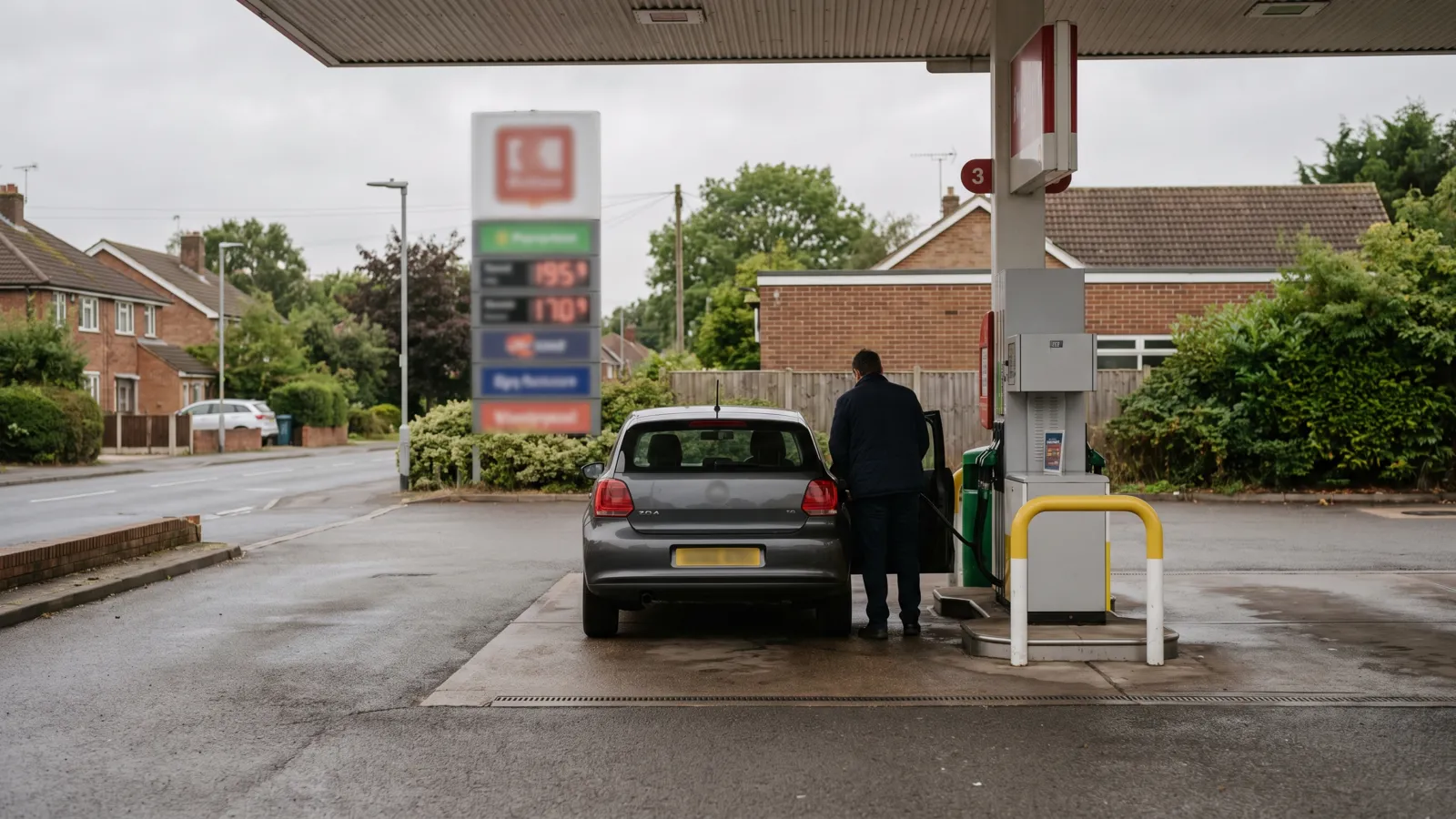
On 21 September 2026 our fuel price tracker, which averages thousands of UK forecourts from the official open-data scheme, had diesel at 197.1p a litre and petrol at 172.9p. When we began logging on 20 July they were 170.3p and 153.1p. That is 26.8p on a litre of diesel in two months — roughly £14.70 more to fill a 55-litre tank.
The all-time records, on the RAC’s long-running measure, are 199.09p for diesel (25 June 2022) and 191.5p for petrol (3 July 2022). Neither had been broken at the time of writing — the RAC’s own measure, which samples differently from ours, had diesel nearer 195p — but the RAC has said a new record looks increasingly likely. The tracker page updates daily, so check it rather than this paragraph.
Why diesel, in particular
The unusual thing this time is that crude oil is not the main culprit — it has eased back below $105 a barrel. The squeeze is in turning crude into diesel.
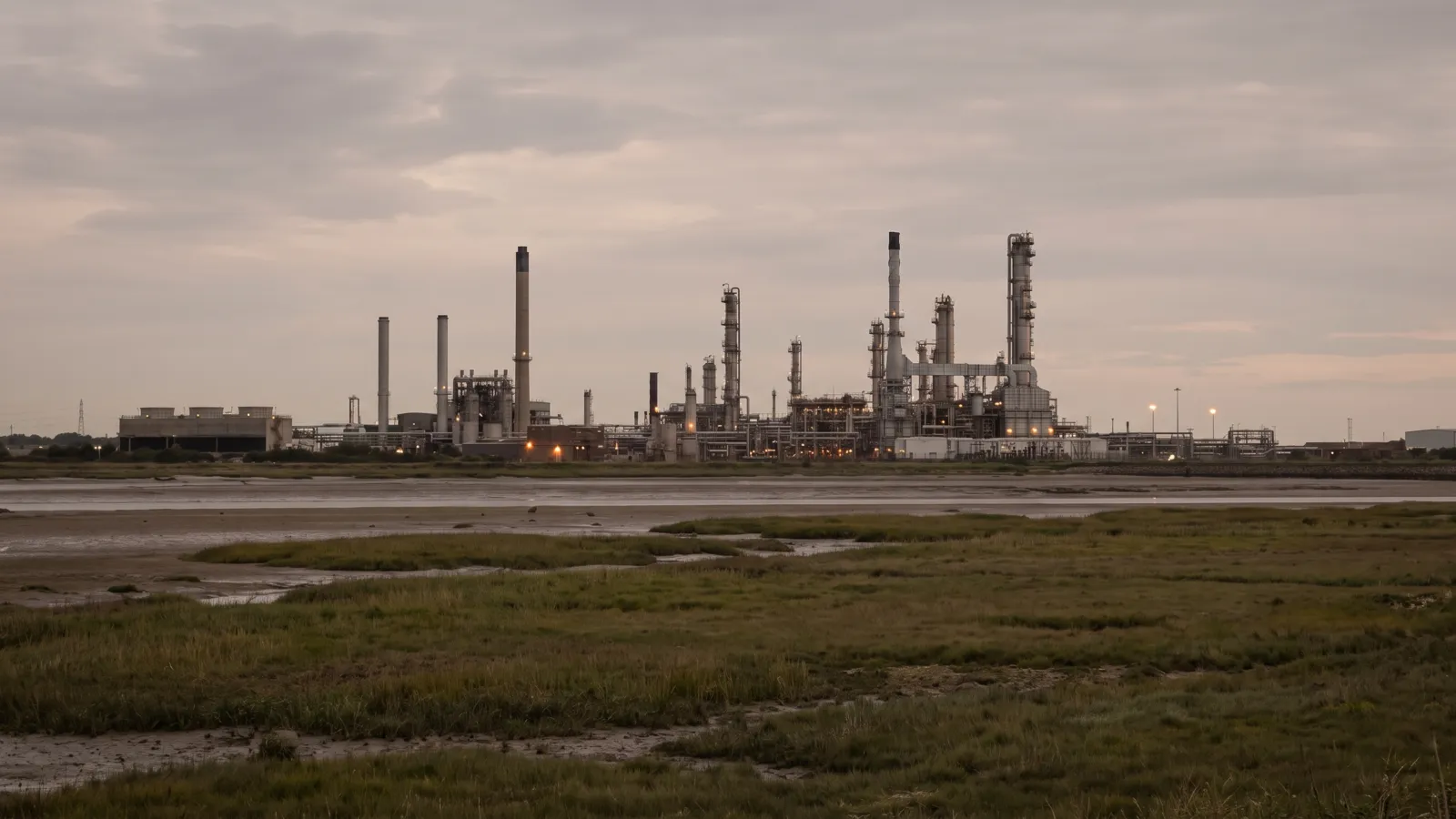
Two supply shocks have landed on top of each other. Russia, the world’s second-largest diesel exporter after the United States, banned diesel exports in July after attacks on its refineries, and has rolled the ban over month by month since — producers were let back in from September, traders were not. And the conflict in the Gulf since February has disrupted shipping through the Strait of Hormuz and taken refining capacity out of use; the International Energy Agency has reported a marked fall in global refinery output.
The result shows up in what traders call the crack spread — the gap between the price of crude and the price of the diesel made from it — which hit a record in August. A weaker pound adds a little, because fuel is priced in dollars. The AA has also pointed to retailer margins, which the competition regulator has criticised before.
How much of a litre is tax
Fuel duty is 52.95p a litre and is frozen until the end of 2026. VAT at 20% is then charged on the whole price, duty included. At around 196p a litre, duty and VAT together come to a little over 85p — roughly 43 to 44 per cent of what you pay.
Duty is scheduled to rise to 55.95p on 1 January 2027 and 57.95p on 1 March 2027. Those dates are set out on GOV.UK and could be changed at a Budget.
Is there a shortage?
No. This is a price story in the UK, not a supply story. We could find no report of a UK forecourt running short of fuel, and no warning of one from the government, the RAC or the AA.
Reports of forecourts running dry are from France, where the situation is different. They do not describe Britain. The one thing that reliably creates a shortage here is everybody filling up on the same day, as in 2021 — when there was never a lack of fuel, only a lack of tanker drivers and a great many queues. Our guide to fuel shortages explains why joining a queue makes it worse.
Does driving at 60mph really save fuel?
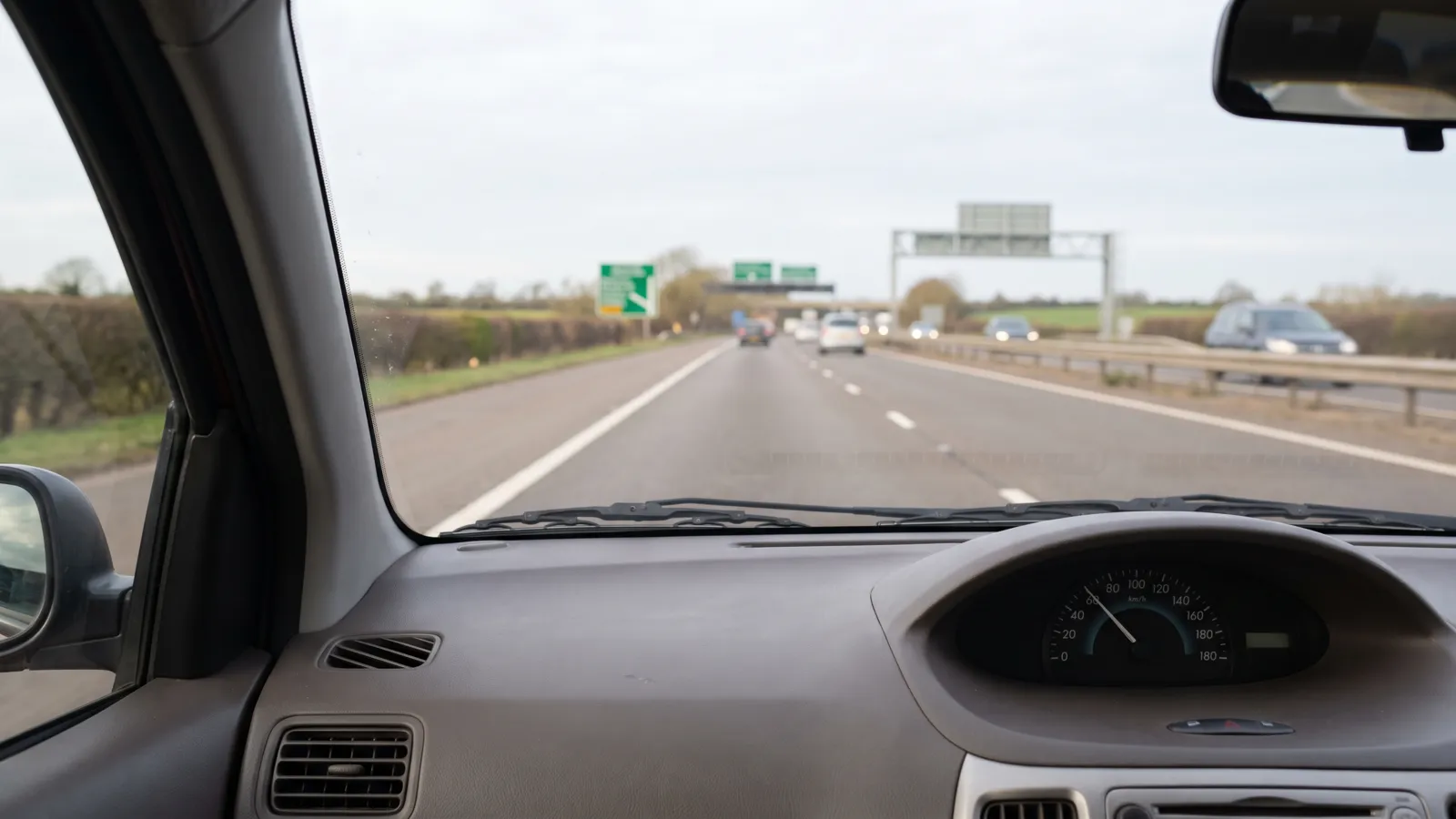
Yes, and it is one of the few fuel-saving claims with an official number behind it. A Department for Transport release from 2011 — the physics has not changed since — puts driving at 70mph at around a tenth more fuel than at 60mph, and 85mph at around a quarter more than 70mph. Air resistance rises steeply with speed, so the last 10mph is the expensive 10mph.
To be clear about what the “60mph rule” is: advice from motoring commentators, backed by a driver survey. It is not a change in the law and nobody is proposing to enforce it.
What it is worth: about 5 litres off a 55-litre tank, or roughly £10 at current diesel prices — if the whole tank goes on motorway miles. What it costs: on a 100-mile motorway run, 60mph instead of 70mph adds about 14 minutes. Whether that trade is worth it is yours to judge — but it is a real saving, not a myth.
What else works — and what to ignore
The measures with evidence behind them are dull and cheap. Take the roof box or bars off when you are not using them: the same release puts a roof box at around a quarter more fuel at motorway speeds. Don’t idle: the RAC reckons a stationary engine can burn up to half a gallon an hour. Accelerate gently and read the road ahead — the Energy Saving Trust recorded savings of about 15 per cent on the day of an eco-driving lesson, and 5 to 8 per cent a year later.
Correct tyre pressures, less weight in the boot and fewer short trips on a cold engine all help a little, though nobody puts a reliable single number on them. Fuel “additives” and gadgets that promise double-digit savings are not on any official list for a reason.
And don’t fill jerry cans “while it’s cheap”. Storing petrol at home is limited by law and is a genuine fire risk; the saving is a few pounds.
Common questions
Why is diesel more expensive than petrol right now?
Because the squeeze is in refining, and diesel is hit hardest. Russia, a major diesel exporter, has restricted exports since July 2026 and the Gulf conflict has cut refining capacity, pushing the gap between crude and diesel prices to a record in August.
Is diesel at a record high in the UK?
Not quite, at the time of writing. The RAC’s record is 199.09p a litre, set on 25 June 2022. On 21 September 2026 our tracker had diesel at 197.1p and the RAC’s measure had it nearer 195p. Our tracker updates daily.
Does driving at 60mph instead of 70mph save fuel?
Yes. A Department for Transport release puts 70mph at around a tenth more fuel than 60mph — so slowing down saves about 9 per cent. On a 100-mile motorway journey the slower speed adds about 14 minutes.
Is there a fuel shortage in the UK?
No. We could find no report of UK forecourts running short and no official warning of one. Reports of stations running out are from France, not Britain.
How much of the price of fuel is tax?
Fuel duty is 52.95p a litre, frozen until the end of 2026, with 20% VAT charged on top of the whole price. At around 196p a litre that is roughly 43 to 44 per cent.
Sources: PreparedBritain — UK fuel price tracker (CMA Fuel Finder open data) · RAC Fuel Watch — record prices · GOV.UK — Amended fuel duty rates 2026 to 2027 · GOV.UK / Department for Transport — Save money on your holiday driving (26 July 2011) · RAC — Fuel saving tips · Bloomberg — Russia set to extend diesel export ban beyond end of September (21 September 2026) · Energy Saving Trust — eco-driving guide. PreparedBritain is independent and not affiliated with HM Government.
The Blackout Briefing
One calm email when something genuinely matters — severe weather, live incidents, real price drops. No noise.
Keep reading
All money & bills guides →Council tax help: reductions, discounts and how to challenge your band
Four routes to a lower council tax bill — means-tested reduction, discounts, the disabled band scheme and a VOA band…
The Warm Homes Loan explained: who'll qualify and what it covers from September
Who qualifies for the Warm Homes Loan, what it covers from September 2026, and how it works with the Boiler Upgrade…
Water social tariffs: the scheme your water company runs
You can't switch water company — so the low-income scheme you can apply for depends entirely on who supplies you.…