Flood preparation checklist for UK homes
Know your risk, get warnings, and what to do before, during and after a flood — the practical checklist, sourced to the Environment Agency.
By Tom Calder · Updated 19 July 2026 · Sourced to the Environment Agency & GOV.UK
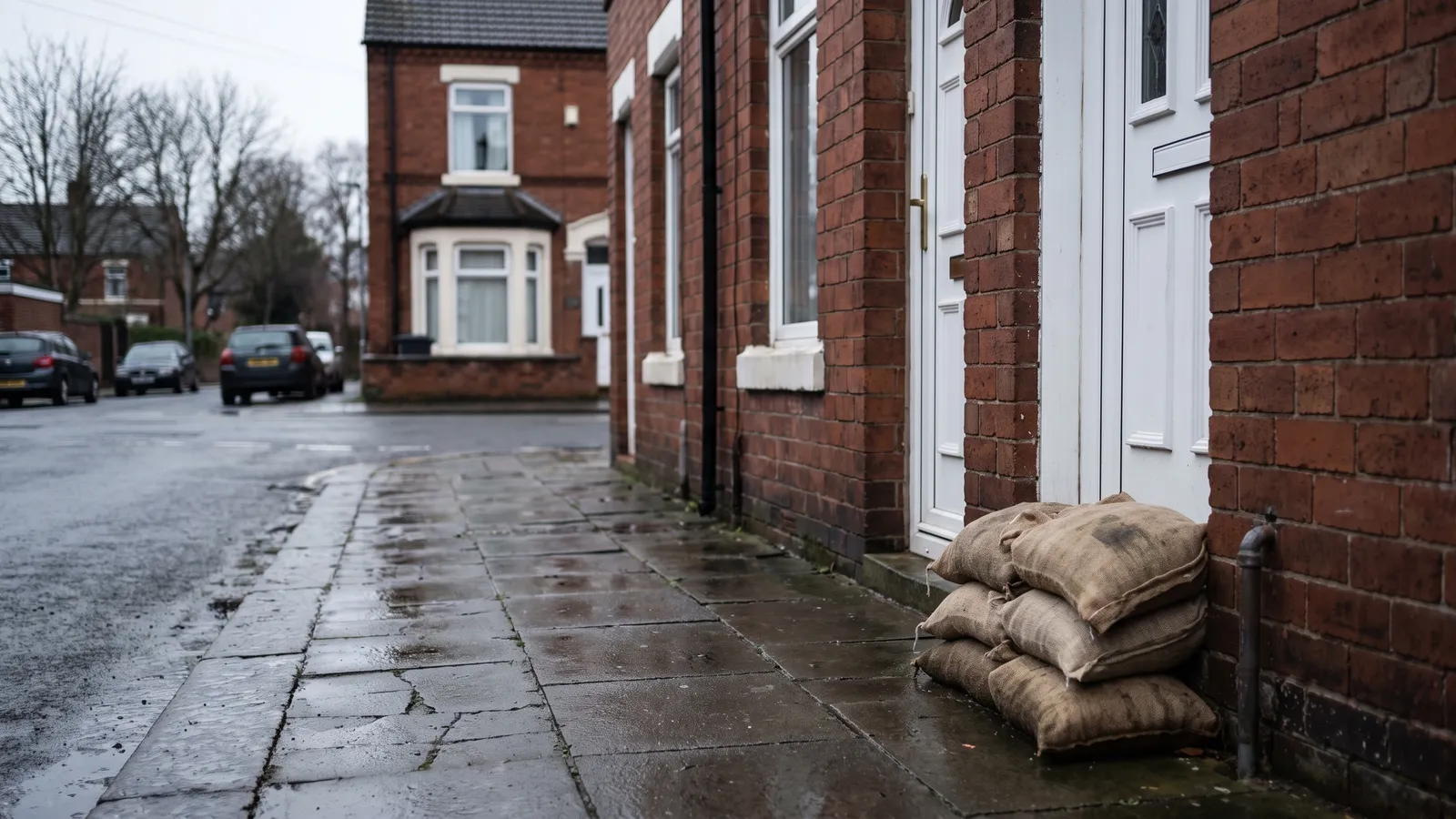
First: find out if this even applies to you
Around one in six properties in England has some level of flood risk, but it is intensely local — one street floods while the next stays dry. So before buying anything, spend two minutes on the Environment Agency's free long-term flood risk checker. It covers rivers, sea, surface water and groundwater for your exact address, and it decides whether the rest of this page is a priority or just background.
If you're at meaningful risk, do the second free thing today too: sign up for the EA's flood warnings by phone, text or email. Warnings are the single most valuable flood 'kit' there is, because everything on this page works better with hours of notice.
Understand the three warning levels
The Environment Agency uses three levels, and they mean different things. A Flood Alert means flooding is possible — be aware, check updates. A Flood Warning means flooding is expected — act now: move valuables up, deploy protection, prepare to turn off utilities. A Severe Flood Warning means danger to life — follow emergency services' instructions, including evacuation.
Floodline (0345 988 1188) has recorded information for your area around the clock, and our local pages show live warnings for pilot areas.
Prepare before any warning: the one-hour jobs
Make a simple flood plan: where you'd move valuables to, where the electricity, gas and water shut-offs are (find them now, label them), where pets would go, and where you'd stay if you had to leave. Write it down — under stress, written beats remembered.
Photograph your home room by room for insurance, store copies of key documents somewhere high or digitally, and check your buildings and contents policies actually cover flood damage. If cover is hard to find or pricey, ask insurers about Flood Re-backed policies — the scheme exists precisely for higher-risk homes.
Kit worth having in a flood-risk home
The general emergency kit covers most of it — water, torch, radio, power bank, first aid, grab bag. Flood risk adds a short list: sandless sandbags or door barriers sized to your doors, airbrick covers, heavy gloves and wellingtons, and a waterproof bag for documents. Store it where you can reach it when the warning comes, not under the flood line in the cellar.
We've compared the main options — what works, to what depth, and what's marketing.
When a Flood Warning comes: the order of work
Move what matters up: people, pets, medicines, documents, irreplaceables, then furniture and electricals if time allows. Deploy barriers and airbrick covers. Move cars to higher ground early — flooded roads close before houses flood. Charge phones and the power bank while you still have mains.
Prepare to switch off electricity, gas and water if water is about to enter — and never touch electrical switches while standing in water. If told to evacuate, go: possessions are replaceable.
During and after: the safety rules that matter
Never walk or drive through floodwater. Thirty centimetres of moving water can carry a car; six inches can knock an adult off their feet, and the water hides open drains, debris and contamination. Most flood deaths in the UK involve vehicles.
Afterwards: floodwater is contaminated, so wear gloves and wellingtons for the clean-up and wash thoroughly. Photograph all damage before cleaning or discarding anything, contact your insurer early, and get gas and electrics professionally checked before switching back on. Recovery is slow — the average flooded home takes months to fully dry.
Common questions
How do I check my home's flood risk?
Use the Environment Agency's free long-term flood risk checker on GOV.UK — it covers rivers, sea, surface water and groundwater by address. Our local area pages add live warnings and who to contact for pilot towns.
What's the difference between a Flood Alert and a Flood Warning?
An Alert means flooding is possible — stay aware. A Warning means flooding is expected — act: move valuables up, deploy barriers, prepare shut-offs. A Severe Flood Warning means danger to life — follow emergency services' instructions immediately.
How do I get flood warnings for my address?
Sign up free on GOV.UK for EA flood warnings by phone, text or email, and save Floodline (0345 988 1188) for 24-hour recorded updates. It's the highest-value flood preparation there is, and it costs nothing.
Are sandbags worth it?
Modern sandless sandbags and door barriers buy real time against shallow water — 30–60cm is their realistic ceiling. Don't rely on the council supplying sandbags in a live event; policies vary and many prioritise infrastructure.
Is it safe to drive through floodwater?
No. A foot of moving water can float a car, the depth is unreadable from the driver's seat, and most UK flood deaths involve vehicles. Turn around — the detour is always shorter than the recovery.
What should I do first after a flood?
Safety, then evidence: keep gas and electrics off until professionally checked, wear gloves and wellingtons (floodwater is contaminated), and photograph everything before cleaning up or throwing anything away — your insurer will want the record.
Sources: Environment Agency — check your long-term flood risk · GOV.UK — sign up for flood warnings · GOV.UK — what to do before or during a flood · Flood Re. PreparedBritain is independent and not affiliated with HM Government.
The Emergency Kit Checklist
The GOV.UK Prepare essentials on one printable page — tick them off as you go and keep it with the kit. Free, no catch.
Download it straight away. We'll also send the occasional briefing when something genuinely matters — severe weather, live incidents, real price drops. Nothing else.
Keep reading
All weather, storms & flooding guides →What this record El Niño means for a UK winter (and what it doesn't)
The Pacific is running about 3C above normal and headlines have gone straight to snow. The Met Office signal for…
Driving in snow and ice: the Highway Code rules, technique and when not to travel
Highway Code rules 228–231 explained: clearing snow and ice legally, tyres, gentle-input technique, black ice, and…
After a flood: the first 48 hours, drying out and the insurance claim
What to do after a flood in the UK: safety checks before re-entry, contaminated-water hygiene, drying out properly,…