How to treat a burn or scald: the first-aid steps that matter
The NHS first-aid sequence for burns and scalds: cool under running water for at least 20 minutes, no ice or creams, cover with cling film, and the clear 999/A&E triggers.
By Tom Calder · Updated 21 July 2026 · Sourced to the NHS and NHS inform
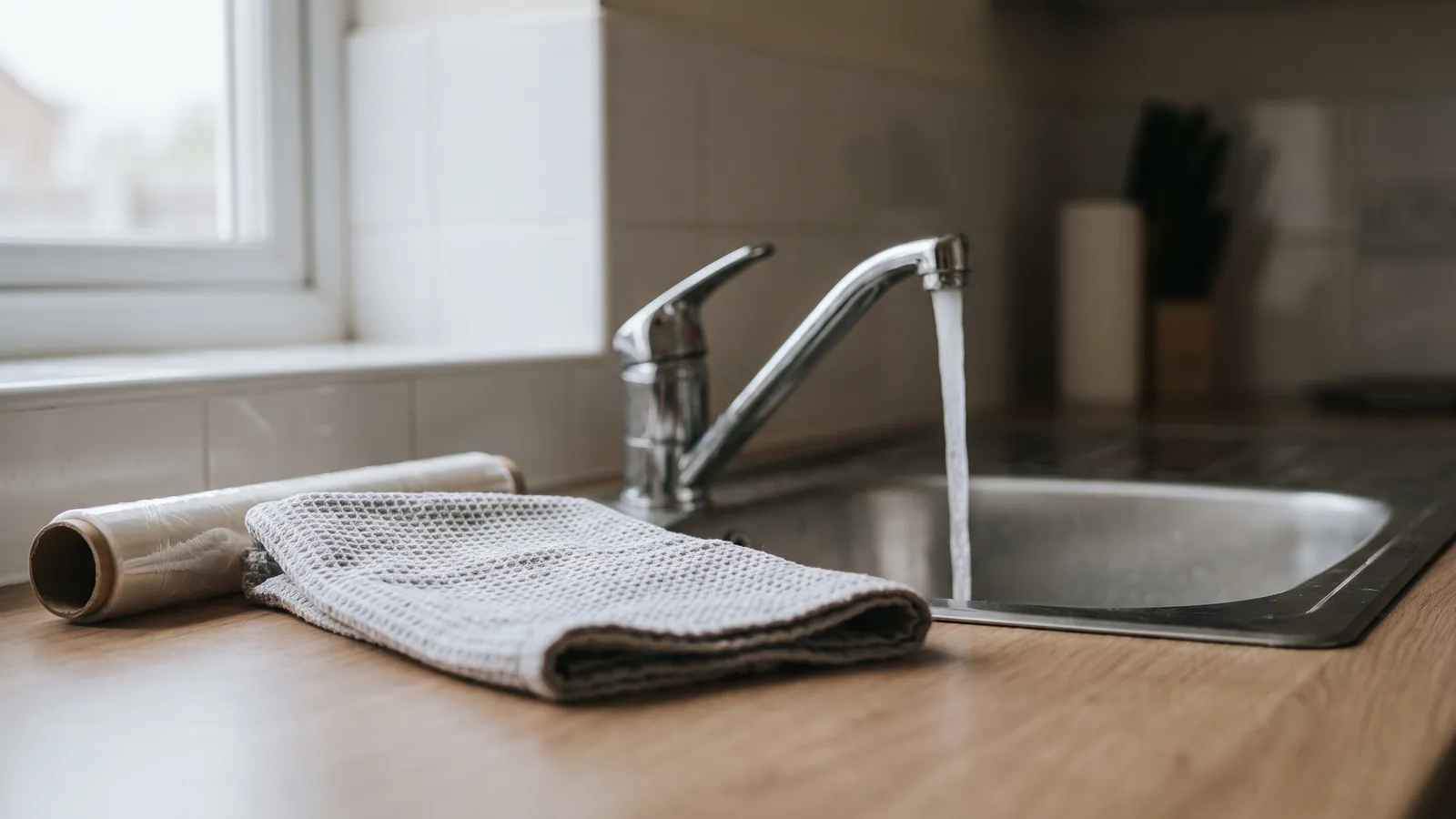
Cool it under running water — this is the step that matters
The single most effective thing you can do for almost any burn or scald is to cool it under cool or lukewarm running water. NHS inform says to hold it under cold running water for 20 minutes; the main NHS guidance gives a 15-to-30-minute range. Aim for at least 20 minutes, and start as soon as possible after the injury.
Keep going even when it feels like a long time — cooling limits how deep the burn develops and takes the pain down. A running tap, shower or clean jug all work. If you can't get to water straight away, start as soon as you can rather than skipping it.
Cool the burn, but keep the rest of the person warm — a blanket over the shoulders and unaffected areas, taking care not to press on the injury. Cooling a large area, or a small child, for a long spell can drop their body temperature, so that balance matters.
The full NHS sequence, in order
While the water is running, work through the rest in order. First, get the person away from the heat source. Second, remove any jewellery, watches or clothing near the burn before the area swells — but never pull off anything that is stuck to the skin. Third, cool under running water for at least 20 minutes. Fourth, keep the person warm.
Fifth, once the burn has cooled, cover it by laying a single layer of cling film over the top (a clean plastic bag works well for a hand). Lay it on loosely — do not wrap it tightly around a limb, because the area may swell. Sixth, treat pain with paracetamol or ibuprofen at the normal dose.
If the face or eyes are affected, don't apply cling film. Instead help the person sit up rather than lie down, which helps reduce swelling, and get medical help.
What never to put on a burn
The NHS is explicit about what to avoid. Don't use ice, iced water or a cold pack — they can deepen the injury rather than help it. Don't apply butter, oils, creams, toothpaste or any greasy substance. Don't burst any blisters. And don't use sticky or fluffy coverings such as plasters or cotton wool, which can stick to the wound.
Once a minor burn has fully cooled and is healing, an emollient can soothe skin that becomes dry or itchy — but that is aftercare, not first aid. In the first 20 minutes, nothing goes on the burn except water.
When it's a 999 or A&E job
Cool the burn first, then get emergency help — call 999 or go to A&E — if the burn is bigger than the affected person's hand; is deep or leaves white or charred skin at any size; is on the face, neck, hands, feet, any joint or the genitals; or was caused by a chemical or by electricity. All chemical and electrical burns need assessing however minor they look. Also seek urgent help for signs of shock, or if the person has breathed in smoke or fumes.
Treat a burn to a baby, a young child or an older person as one to get checked. Call 111 for advice if it isn't clearly an emergency, or 999 if it meets the triggers above. NHS inform also sets a lower threshold to seek help for people with conditions such as diabetes, or heart, lung or liver disease, or a weakened immune system.
For a chemical burn, remove contaminated clothing, rinse continuously with running water and call 999. For electricity, don't touch the person until you know the supply is off — switch it off at the mains for a domestic shock, and never approach anyone in contact with a high-voltage source. Then call 999.
Caring for a minor burn afterwards
If the burn is small, shallow and not in one of the higher-risk areas above, you can usually treat it at home. Keep it clean, don't burst any blisters, and if you cover it use a non-fluffy, non-adhesive dressing. Paracetamol or ibuprofen manages the pain.
Watch for infection over the following days — increasing pain, redness, swelling, pus or a high temperature. Contact your GP or call 111 if any of these appear, if a blister is large, or if the burn isn't healing. And call 111 any time you're unsure what to do — that is exactly what the service is for.
What to keep within reach
The tools that matter for burns are ordinary: a cold tap, cling film, a couple of clean plastic bags, some non-adhesive dressings, and paracetamol or ibuprofen. A basic household first-aid kit covers the lot — you don't need anything specialised, and the tap does the real work.
Store the kit somewhere everyone in the house knows, keep the painkillers in date, and make sure children old enough to understand know the one rule that saves the most damage: cool water, straight away, for 20 minutes.
Common questions
How long should I run a burn under cold water?
Aim for at least 20 minutes. NHS inform advises 20 minutes of cold running water and the main NHS guidance gives a 15-to-30-minute range, or until the pain feels better. Start as soon as possible after the injury, and use cool or lukewarm water rather than very cold.
Should I put ice or a cold pack on a burn?
No. The NHS says never use ice, iced water or greasy substances on a burn — ice can damage the tissue further. Cool running water is the only thing that should touch the burn in the first 20 minutes.
Is it OK to put cream, butter or toothpaste on a burn?
No. The NHS advises against applying butter, oils, creams or any greasy substance, and against bursting blisters. These don't help and can raise the risk of infection. Once a minor burn is healing, an emollient can soothe dry or itchy skin — but that's later, not first aid.
When does a burn need A&E or 999?
Get emergency help if the burn is bigger than the person's hand; is deep or leaves white or charred skin; is on the face, neck, hands, feet, a joint or the genitals; or was caused by a chemical or electricity. All chemical and electrical burns, smoke inhalation and signs of shock need assessing. Any burn to a baby, young child or older person should be checked — call 111 for advice or 999 if it meets these triggers.
Can I cover a burn with a plaster?
Avoid plasters and fluffy dressings such as cotton wool, which stick to the wound. Once the burn has cooled, lay a single layer of cling film over it (or use a clean plastic bag for a hand), or a non-adhesive dressing. Don't wrap cling film tightly around a limb, as the area may swell.
What painkiller can I take for a burn?
The NHS recommends paracetamol or ibuprofen at the usual recommended dose to manage burn pain. Follow the instructions on the packet and the normal cautions for who can take each one.
Sources: NHS — Burns and scalds · NHS — Burns and scalds: Treatment · NHS inform — Burns and scalds · NHS — First aid · NHS 111 online. PreparedBritain is independent and not affiliated with HM Government.
The Emergency Kit Checklist
The GOV.UK Prepare essentials on one printable page — tick them off as you go and keep it with the kit. Free, no catch.
Download it straight away. We'll also send the occasional briefing when something genuinely matters — severe weather, live incidents, real price drops. Nothing else.
Keep reading
All fire, gas & first aid guides →What should be in a home first aid kit: a UK checklist
A calm UK checklist for a home first aid kit — sensible quantities room by room, sourced to the NHS and British Red…
Carbon monoxide poisoning: the symptoms and the six sources in your home
The NHS symptoms of carbon monoxide poisoning, the two tells that separate it from flu, the six sources in your…
Power cut food safety: is your fridge and freezer food still safe?
How long fridge and freezer food stays safe in a power cut — with an interactive checker, from official Food…