Be Ready: the government's new emergency checklist asks for three days of supplies. What's new
The government has launched Be Ready, a three-year campaign asking households to be ready for three days of disruption. Its new checklist adds cash, warm clothing and blankets, copies of documents and a written list of numbers and medicines to the old Prepare kit, and puts a number on water for the first time. Item by item, and how far most homes are from it.
The government published its Be Ready advice on Thursday 22 October 2026, the first stage of a three-year campaign to help households cope with disruption such as storms, power cuts and outages. At its heart is being ready for three days, the same advice France, Ireland and the Netherlands give. The old GOV.UK Prepare website now redirects to Be Ready, and the Cabinet Office says much of the advice has not changed. The new checklist asks for 3 litres of drinking water per person per day for three days, three days of food that needs no fridge or cooking, a torch and spare batteries, blankets and warm clothing, a battery or wind-up FM radio, a charged power bank, cash and cards, copies of important documents, a written list of numbers and medicines, a first aid kit and medication, and supplies for babies and pets. Compared with the kit list on the old Prepare site, the cash, warm clothing, documents and written list are additions, and the water figure is new. It also asks people to sign up to the Priority Services Register if they are eligible. It is advice, not an order, and it suggests building up gradually during normal shopping.
By Tom Calder · Updated 22 October 2026 · Sourced to the Cabinet Office's launch announcement (22 October 2026), the Be Ready website and checklist, the old GOV.UK Prepare advice as we recorded it, and the Cabinet Office's 2026 preparedness survey, read on 22 October 2026
What launched today
The Cabinet Office published the Be Ready advice on Thursday 22 October 2026, calling it the first stage of a three-year campaign to help households feel better prepared for events such as severe weather, which can occasionally affect power, water, phones and the internet.
The advice at its heart is to be prepared for three days of disruption, which the government says is also the advice in France, Ireland and the Netherlands. It also asks people to sign up to the Priority Services Register if they are eligible, and to keep a small supply of non-perishable food and bottled water at home.
More than five hundred organisations, from charities to businesses, have signed up to share the campaign, and the government says social media and radio advertising will follow over the coming weeks and months, aimed at families with young children and older people. No leaflet to every household has been announced.
The old GOV.UK Prepare website now redirects to the new Be Ready site. The Cabinet Office says it has published resilience advice for households since May 2024 and that much of the advice has not changed.
What the minister and the Red Cross said
Dan Jarvis, the Security Minister, said: "Those who can follow this advice should follow this advice. By taking simple steps to be ready for everyday emergencies like severe storms, people can reduce pressure on emergency services, helping them prioritise people who need more support in an emergency."
Laura Scott, the British Red Cross Director for UK Resilience, said: "We can't control when emergencies happen, but we can all take some simple steps to be prepared, so that when they do, we are ready to help our friends, families and neighbours."
The Be Ready checklist, item by item
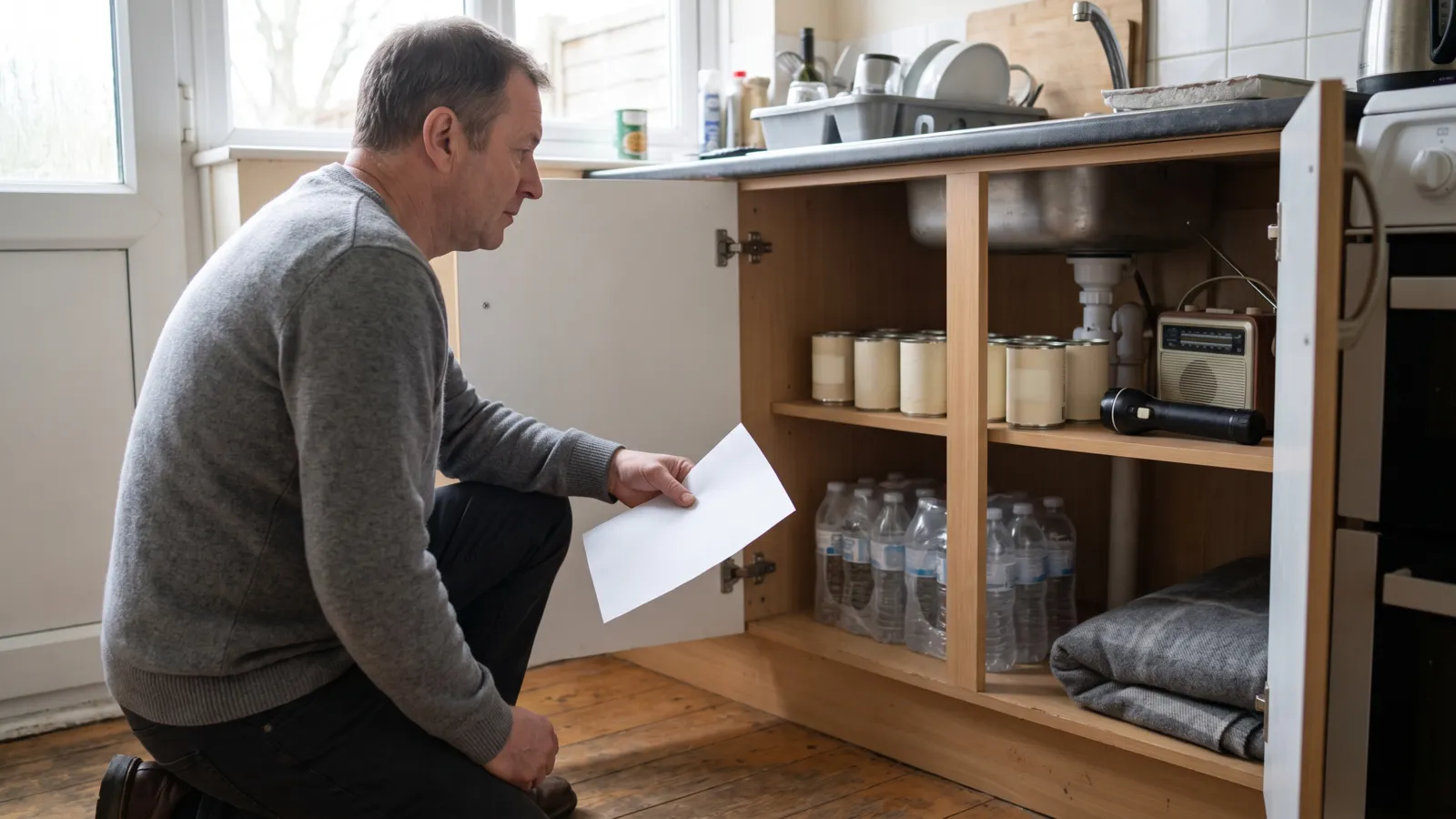
Water: bottled water for three days, at 3 litres per person per day for drinking, with more needed for cooking and washing. Food: non-perishable food for three days that doesn't need a fridge or cooking, such as tinned meat, fish or vegetables, dried fruit and nuts; it says to buy food you would usually eat. Hygiene: hand sanitiser, wet wipes and bathroom products.
Light and warmth: a torch and spare batteries (torches, it says, are safer than candles), and blankets, sleeping bags and warm clothing, because homes can become cold very quickly when the heating goes off. Communication: a battery or wind-up FM radio, with the frequencies of your news stations written down, and a charged power bank for phones or compatible medical devices.
Money and documents: cash in a mix of coins and notes, and cards, in case electronic payments or cash machines are disrupted; printed copies of important documents such as passports, birth certificates, insurance details and instructions for any medical equipment; and a written list of emergency contacts and of any regular medication and doses.
Medical: a first aid kit, and essential medication, with repeat prescriptions requested up to 5 working days before you need them. Babies: ready-to-feed formula, because you may not be able to boil water safely, plus nappies and wipes. Pets: food and bottled water.
Its advice on getting started: see what you already have, note what your household still needs, pick up missing items during normal shopping, check expiry dates every six months, and swap contact details with your neighbours.
What is new compared with the old Prepare advice
Most of the list is the same as the kit on the old GOV.UK Prepare site: water, food that needs no cooking, a torch, a radio, a power bank, a first aid kit, hygiene items and supplies for babies and pets.
The additions to the kit list are cash and cards, blankets and warm clothing, printed copies of documents, and a written list of contacts, medicines and doses. The old site's plan section did already ask you to write down numbers and regular medication, and it mentioned warm clothes and blankets only for the car. Cash was not on the old kit list, which is why our earlier check of the 'stockpile' headlines said so.
The water advice now has a number. The old Prepare page said there was no standard figure and quoted the World Health Organisation's 2.5 to 3 litres a day; Be Ready says 3 litres per person per day for drinking, for three days. For a household of four that is 36 litres. The three-day period itself is new on the website, though a briefing for partner organisations had said on 1 October that the campaign would ask for it.
Home Alerts members
The full picture, for your home
Each week, what's happening across Britain set against your own address: your water company, your power network, fuel for your car and the gaps in your kit. Free for your own home. Opening in October; the first 100 on the list get in first.
Join the list →Britain's figures from our live trackers, 22 October.
How far most homes are from it
The government's own 2026 preparedness survey suggests most homes are a long way short on water. When 10,791 adults were asked to count the bottled drinking water at home, 4% had three days' worth or more for their household at 3 litres a person a day, and 82% had less than a day. 60% said they had three days of food that needs no cooking. Our story on the survey has the detail.
The barriers people gave were money (29%), not wanting things to go out of date (25%) and not knowing what to do (23%). Be Ready's own answer is to build up slowly: a couple of extra items on normal shopping trips, food you already eat, and a check every six months.
Doing it without spending much
Start with what costs nothing: check whether you can join the Priority Services Register, write down your numbers and medicines, and print your documents. Our household emergency plan guide covers the written part.
For water, how to store emergency water explains bottles and safe storage, and how much food to store sets out sensible amounts. Our emergency kit list follows the official list item by item, and the kit builder sizes water and food for your household.
Common questions
What is the Be Ready campaign?
A three-year government campaign launched on 22 October 2026 to help households prepare for disruption such as severe weather, power cuts and outages. It replaces the GOV.UK Prepare website and asks households to be ready for three days.
What is on the Be Ready checklist?
Bottled water (3 litres per person per day for drinking, for three days), three days of food that needs no fridge or cooking, hygiene items, a torch and batteries, blankets and warm clothing, a battery or wind-up FM radio, a charged power bank, cash and cards, copies of important documents, a written list of contacts and medicines, a first aid kit and medication, and supplies for babies and pets.
How much water does the government say to keep?
3 litres per person per day for drinking, for three days: 9 litres per person, or 36 litres for a household of four. It says more would be needed for cooking and washing.
Is the government telling people to stockpile?
No. It asks households to be ready for three days and to build up supplies gradually during normal shopping, starting with food they already eat. It does not use the word stockpile.
Is the Be Ready advice new?
Partly. The Cabinet Office says the government has published resilience advice for households since May 2024, and that much of the advice has not changed. The three-day figure, the 3 litres a day of water, cash, warm clothing, copies of documents and a written list of numbers and medicines are the main additions to the old kit list.
Sources (6)
- Cabinet Office, Households encouraged to take small, simple steps to stay prepared in an emergency (22 October 2026, 14:44): three-year campaign, three days, Priority Services Register, 500 organisations, quotes from Dan Jarvis and the British Red Cross
- GOV.UK Be Ready, Be ready for emergencies (the Be Ready checklist, read 22 October 2026)
- GOV.UK Be Ready, Be Ready checklist (PDF, October 2026)
- Priority Services Register
- Cabinet Office, UK Public Survey of Risk Perception, Resilience and Preparedness: 2026 (official statistics, 19 August 2026)
- Glamorgan Voluntary Services, National resilience campaign stakeholder briefing (posted 1 October 2026)
PreparedBritain is independent and not affiliated with HM Government.
See our checks first on Google. Add PreparedBritain as a preferred source and Google will show our stories to you more often in Top Stories.

The Emergency Kit Checklist
The GOV.UK Prepare essentials on one printable page — tick them off as you go and keep it with the kit. Free, no catch.
Download it straight away. We'll also send the occasional briefing when something genuinely matters — severe weather, live incidents, real price drops. Nothing else.
Latest from our live data
All stories → News · 22 OctProduct safety notices are up 27% on a year ago. A quarter name Amazon as the marketplace
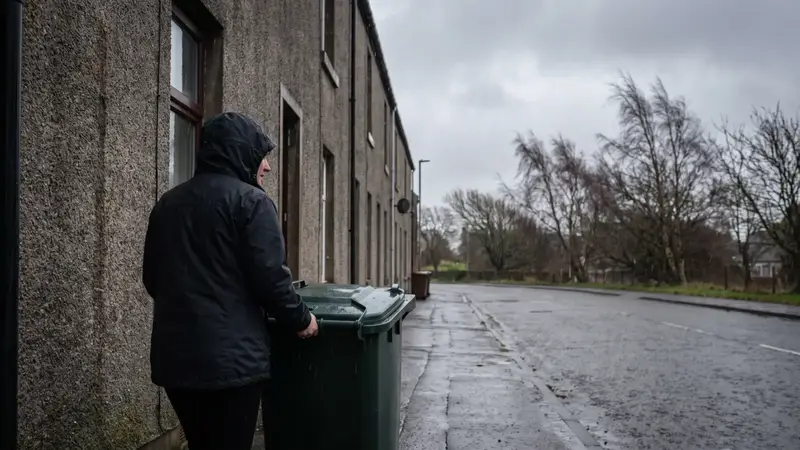 News · 22 OctSecond storm to hit UK this weekend: Storm Boelo named, gusts up to 80mph on northern coasts
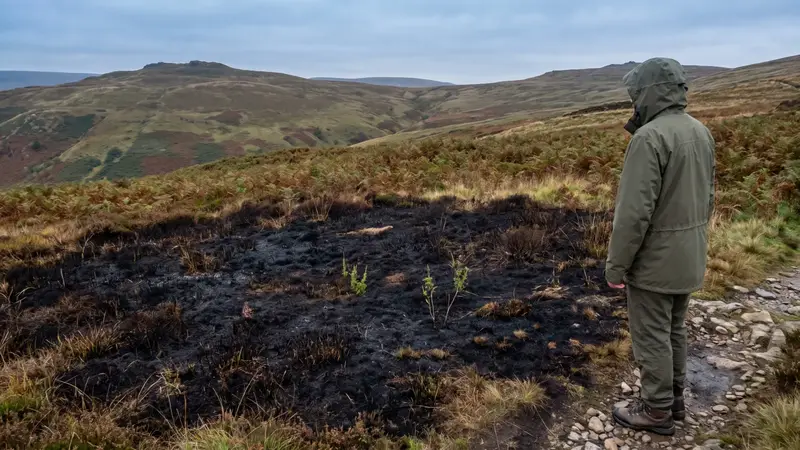 News · 22 Oct‘Unprecedented’ summer of wildfires sparks Welsh fire resilience summit: what satellites show
Keep reading
All planning & the national picture guides →‘Unprecedented’ summer of wildfires sparks Welsh fire resilience summit: what satellites show
Wales' First Minister holds a wildfire summit on 22 October after a summer that saw four major incidents declared in…
Storm Austen won't end the drought: England's reservoirs are 54% full and need months of rain
Storm Austen brings wind warnings and 20-30mm of rain in many places on Friday. It will help soils and rivers, but…
Supercapacitor vs Lithium Jump Starters: Where Does the ANCEL Super Starter Fit?
How ANCEL's installed supercapacitor Super Starter units compare with portable lithium jump packs, what ANCEL says…