What is the government’s War Book — and is it really being updated?
Reports say Britain is updating its War Book for the first time in decades because Russia is planning an attack. One half of that is confirmed by ministers. The other half has no source. Here is which is which.
Half of it. The government told Parliament on 14 July 2026 that it is updating the War Book, the state’s manual for moving government from peace to war, and will test the work in a large home defence exercise in 2027. No minister, military chief or intelligence agency has said Russia is planning an attack this autumn; that phrase appears only in the headline. Nothing in the War Book asks households to do anything new.
By Tom Calder · Updated 2 November 2026 · Sourced to Parliament, the Cabinet Office and GOV.UK
What the War Book was
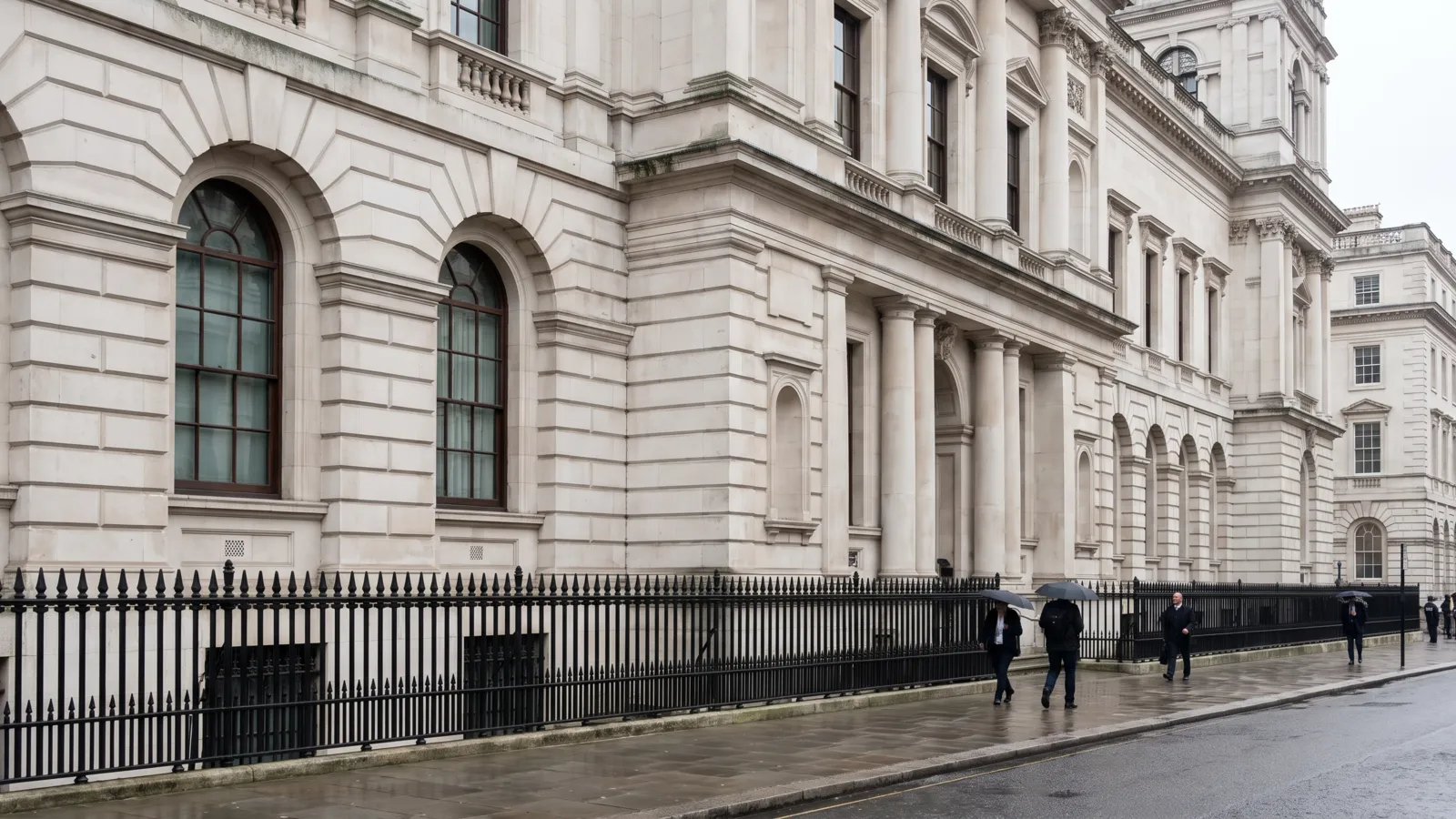
The Government War Book was the state’s instruction manual for moving from peace to war. It dates back to before the First World War, and through the Cold War it set out, department by department, what each part of government would do at each stage of a worsening crisis — who is told, what powers are switched on, what is moved where.
It was never a public document, and it was never advice to households. It was a plan for civil servants. After the Cold War it fell out of use, and ministers later told Parliament that its role had been taken over by the emergency-planning arrangements under the Civil Contingencies Act 2004.
What is confirmed now
In a written statement to Parliament on 14 July 2026 — the annual statement on national resilience — the government said it had accelerated home defence planning, “including updating the government War Book”, and that the work would be tested in 2027 in what it described as the largest UK home defence exercise in several decades.
So yes: the War Book is being brought back and updated. It is happening in the open, it was announced in Parliament in the summer, and it sits alongside other published work — the 2025 Strategic Defence Review and the Resilience Action Plan — rather than being a sudden reaction to events this month.
NewSee this for your own homeHome Alerts: your postcode's power cuts, warnings and floods, on one screen. Free for your own home. Sign up in a minute.Start free →What is not confirmed
We could not find any official — minister, military chief or intelligence agency — saying that Russia is planning an attack this autumn. The phrase appears in the headline, not in a statement.
What is real is the general warning. Air Chief Marshal Sir Richard Knighton, the Chief of the Defence Staff, said on 16 September that this is the most dangerous period of his career, a point we covered in what the government has actually said about stockpiling. Warnings of that kind are about the direction of travel over years. They are not a date.
An “autumn” timing seems to come from squeezing two things together: senior figures warning about Russia, and a planning document with an end-of-year deadline. Neither of those is a forecast of an attack.
Does any of this change what households should do?
No. The War Book is about how departments work together. Nothing in it is addressed to you, and nothing has been published asking households to do anything new.
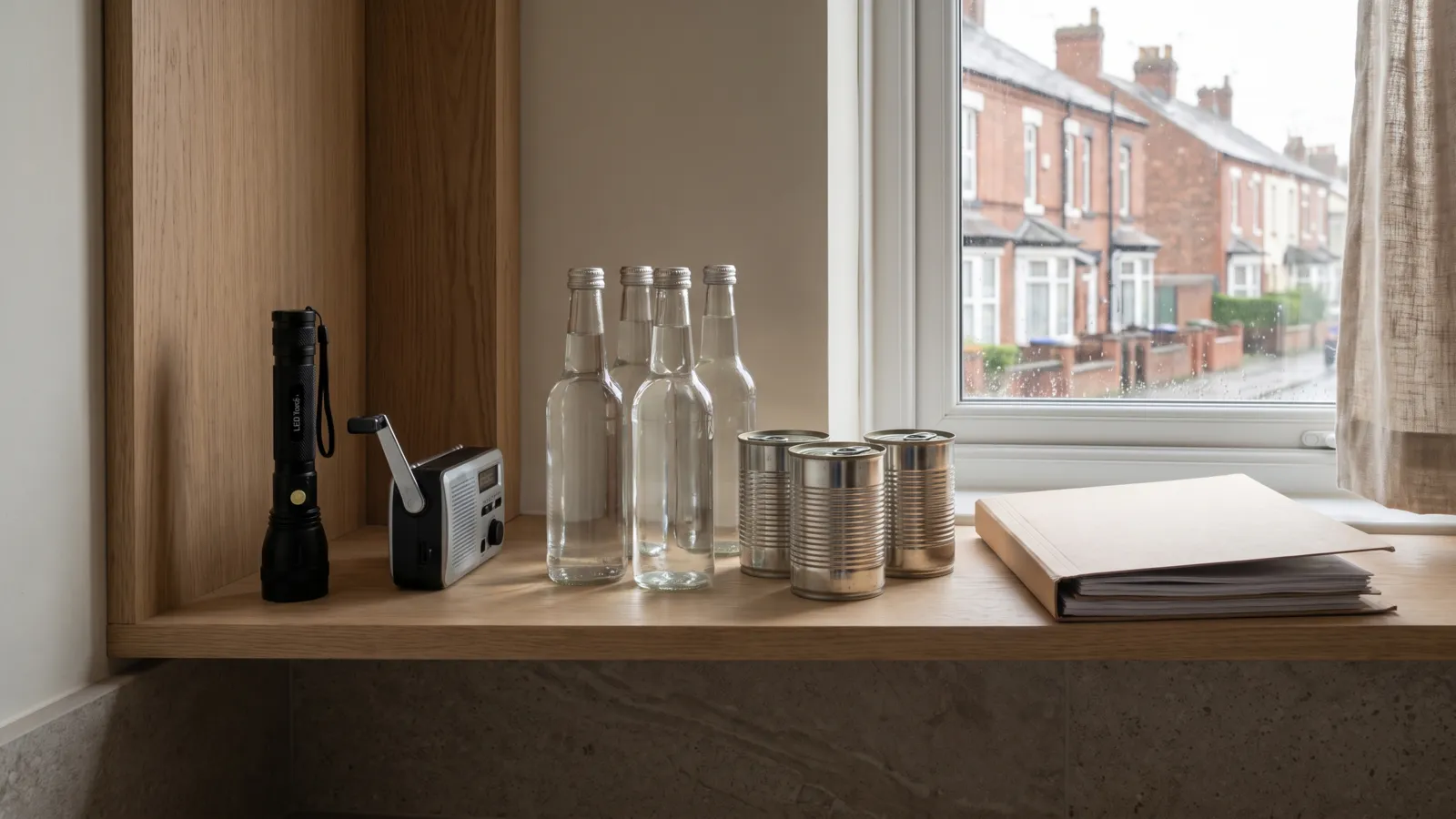
The advice that is addressed to you is GOV.UK Be Ready, which replaced GOV.UK Prepare on 22 October 2026 and kept most of its list: be ready for three days with water and food that keeps, a torch and a radio, your medicines, some cash, and the phone numbers you’d need written down on paper. It is framed around storms and power cuts, not war. Our emergency kit list follows it item by item.
The Emergency Kit Checklist
The GOV.UK Prepare essentials on one printable page — tick them off as you go and keep it with the kit. Free, no catch.
Download it straight away. We'll also send the occasional briefing when something genuinely matters — severe weather, live incidents, real price drops. Nothing else.
What not to do
Don’t treat a planning document as a prediction. Governments plan for things precisely so that they are not improvising if they happen; the existence of a plan says nothing about likelihood. The UK also plans for pandemics, floods and power failures, and publishes the list in the National Risk Register.
And don’t share the “autumn attack” line as fact. It has no source, and it is the part of the headline doing the frightening.
Common questions
What is the UK government War Book?
A cross-government plan, dating back to before the First World War, setting out what each department does as the country moves from peace towards war. It was a restricted planning document for officials, not public guidance.
Is the War Book being updated?
Yes. In July 2026 the government told Parliament it was updating the War Book as part of accelerated home defence planning, to be tested in a major exercise in 2027.
Is Russia planning to attack the UK this autumn?
No official source has said so. The phrase comes from a newspaper headline. Senior military figures have warned about a growing threat in general terms, without giving any date.
Will the War Book be published?
The historic War Book was restricted, and nothing suggests the new one will be made public in full. Guidance meant for households is published separately, on GOV.UK Be Ready.
Should I be doing anything differently?
No instructions linked to the War Book have been issued to households. The standing advice is the government’s Be Ready checklist (22 October 2026), built for storms and power cuts: three days of water and food, a torch, a radio, medicines, some cash and key phone numbers on paper.
Sources (5)
- Parliament — National Resilience: Annual Statement, written statement HCWS244 (14 July 2026)
- Cabinet Office — UK Government Resilience Action Plan: 2026 Implementation Report (14 July 2026)
- Ministry of Defence — Strategic Defence Review 2025
- GOV.UK Be Ready — Be ready for emergencies (three days; the checklist), read 2 November 2026
- House of Commons Library — briefing on the Government War Book
PreparedBritain is independent and not affiliated with HM Government.
See our checks first on Google. Add PreparedBritain as a preferred source and Google will show our stories to you more often in Top Stories.

Latest from our live data
All stories → News · 4 NovCould a cyber attack wipe out the UK's food supply and energy in two years? What the NCSC actually said
 News · 3 NovVampire devices: the '£200' is 13 gadgets added up; turning a home off standby saves about £45
 News · 2 NovCold Weather Payment opens: £25 a freezing week; last winter 40 of 71 stations triggered none
Keep reading
All planning & the national picture guides →Is the UK setting up a civilian ‘war register’?
Headlines say Britons are being urged to join an emergency civilian register. No such register exists. Here is who…
Are there nuclear bunkers in the UK?
No — not for the public, and there never were. Britain's Cold War bunkers were built for government, the military…
Is the UK government telling people to stockpile food and water?
A post claiming Britain is telling households to stockpile for war is going round. Here is what the government…