Best thermal base layers for cold homes & power cuts (2026)
The cheapest and most effective way to stay warm in a cold house is to trap your body heat close to your skin, and that's exactly what a thermal base layer does. In a winter power cut — or just to turn the thermostat down — a good base layer set under your clothes is worth more than any heater. Here's how the materials compare.
By Tom Calder · Updated 20 September 2026 · 6 products, 3 of 6 price-tracked
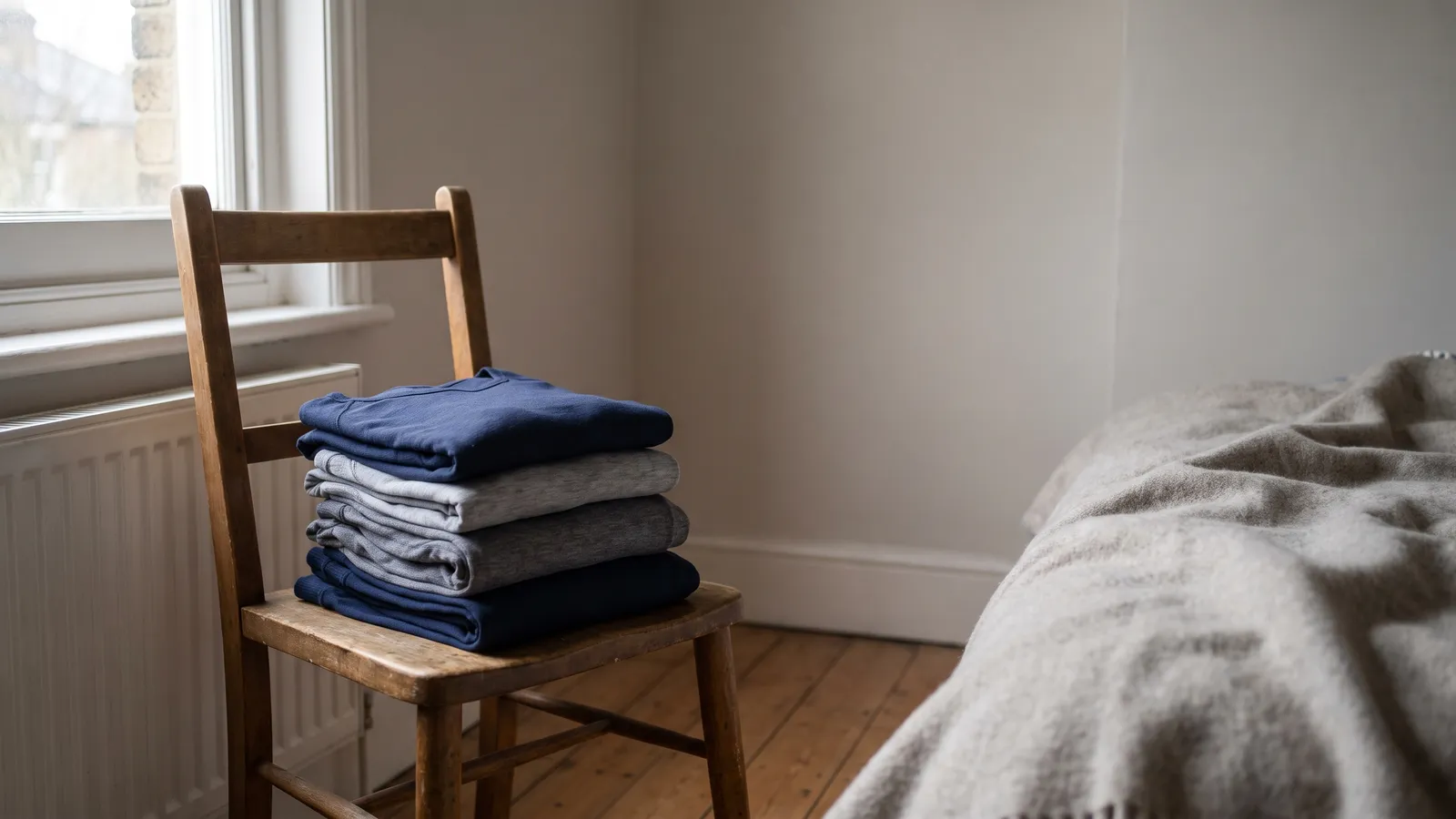
Before you buy
Understand what a base layer does: worn next to the skin, it traps a thin layer of warm air and wicks away moisture, which is what keeps you warm and dry. It's the single most efficient layer because it works with your own body heat — no power required — which is exactly why it beats a heater for cost in a cold snap or power cut.
Choose the material. Merino wool is warm, breathable and naturally resists odour, so you can wear it for days (ideal in an emergency) — but it costs more and dries slower. Synthetic (polyester/polypropylene) is cheaper, tough, dries fast and wicks well, though it holds smell. Cotton is the one to avoid: it soaks up sweat and chills you. For value and everyday warmth, mass-market options like Uniqlo HEATTECH or a synthetic set are hard to beat.
Then fit and weight. A base layer should be snug (not tight) to trap air against the skin, with flat seams for comfort under other clothes. Weights run from lightweight (everyday) to midweight and heavyweight (serious cold) — a midweight set is the sensible all-rounder for a cold British house. Get tops and bottoms; warm legs matter as much as a warm torso.
Top pick: Odlo Active Warm Base Layer Set. A genuinely warm, well-made recycled-polyester base layer set that traps heat without bulk, so it earns its place in a cold-weather resilience kit. It costs more than supermarket thermals, but the fit, warmth and durability are a step up.
| Set | Material | Warmth | Set | Price | |
|---|---|---|---|---|---|
| Odlo Active Warm Base Layer SetTOP PICK | Recycled polyester (brushed interior) | Warm / mid-weight (approx -10 to +10C) | 2 | £83.99as of 20 Sep 2026, 12:29 BST · DetailsProduct prices and availability are accurate as of the date/time indicated and are subject to change. Any price and availability information displayed on Amazon.co.uk at the time of purchase will apply to the purchase of this product. | Check price → |
| Helly Hansen Lifa Thermal Base Layer Set | 100% polypropylene (Lifa fibre) | Lightweight (light insulation, strong wicking) | 2 | — | Check price → |
| Montane Primino Base Layer | 50% merino, 25% PrimaLoft, 25% polyester | Lightweight (140g; 220g option) | Single garment (tops/leggings sold separately) | £49.55as of 20 Sep 2026, 12:29 BST · DetailsProduct prices and availability are accurate as of the date/time indicated and are subject to change. Any price and availability information displayed on Amazon.co.uk at the time of purchase will apply to the purchase of this product. | Check price → |
| Uniqlo HEATTECH Base Layer Set | Polyester/acrylic/rayon/spandex blend | Regular (Extra & Ultra Warm tiers available) | 2 | £29.80Checked 10 Sep · indicative — not price-tracked | Check price → |
| Damart Thermolactyl Thermal Set | Thermolactyl (acrylic/polyester blend) | Grade 3 of 5 (medium) | 2 | — | See price on Amazon → |
| Mountain Warehouse Merino Men's Long-Sleeved Round Neck Base Layer Top | 70% merino wool, 30% polyester | Lightweight base layer | 1 | £34.99as of 20 Sep 2026, 12:29 BST · DetailsProduct prices and availability are accurate as of the date/time indicated and are subject to change. Any price and availability information displayed on Amazon.co.uk at the time of purchase will apply to the purchase of this product. | Check price → |
ⓘ As an Amazon Associate, PreparedBritain earns from qualifying purchases. We may earn a commission when you buy, or a fee when you request a quote, through our links — it never affects what we recommend. Amazon prices come from Amazon's own product data and show the date and time they were retrieved. Prices at other retailers are checked by us, less often. Prices and stock can change at any time, so always check the retailer's price before you buy.
Odlo Active Warm Base Layer Set
4.2Who it's for: Keeping warm through a winter power cut or heating failure, and for cold-weather outdoor activity.
A genuinely warm, well-made recycled-polyester base layer set that traps heat without bulk, so it earns its place in a cold-weather resilience kit. It costs more than supermarket thermals, but the fit, warmth and durability are a step up.
- Brushed interior gives good warmth for its weight, useful if the heating goes off
- Made from recycled polyester with an anti-odour finish, so it wears well over several days
- Flat seams and a proper athletic cut make it comfortable for sleeping in or active use
- Noticeably dearer than basic supermarket thermal sets
- Synthetic rather than merino wool, so it can still hold odour on long multi-day wear despite the treatment
Don't buy if You only need occasional light warmth or a cheap spare set, a £15 supermarket thermal top-and-bottoms will do the job; and if you specifically want natural merino for multi-day wear without washing, look elsewhere.
as of 20 Sep 2026, 12:29 BST · Details
Product prices and availability are accurate as of the date/time indicated and are subject to change. Any price and availability information displayed on Amazon.co.uk at the time of purchase will apply to the purchase of this product.Helly Hansen Lifa Thermal Base Layer Set
4.0Who it's for: Staying dry and warm as a next-to-skin first layer during winter power cuts, cold-weather jobs or outdoor tasks.
A dependable, well-made polypropylene base-layer set that wicks moisture briskly and dries fast, so you stay warm without clamminess. It is a light-to-mid layer rather than a heavy thermal, so treat it as the foundation of a layering system, not your only defence against serious cold.
- Excellent moisture-wicking and quick drying, so sweat does not chill you when activity stops
- Lightweight and low-bulk, so it layers easily under jumpers or coats
- Robust, long-lasting construction from a trusted Norwegian outdoor brand
- Synthetic polypropylene can retain odour over multi-day wear compared with merino
- Light insulation means it needs mid- and outer layers for genuinely cold conditions
Don't buy if Don't buy this if you want a single thick thermal for sitting still in a cold house, or if odour on repeat wear bothers you. A midweight merino set or a heavier brushed thermal will suit low-activity warmth better.
Montane Primino Base Layer
4.0Who it's for: Cold, active days out where you want real warmth without bulk.
A genuinely warm, lightweight base layer that blends merino with PrimaLoft, so it wicks and dries faster than pure wool while keeping merino's low odour. A dependable pick for winter walks, camping and cold-weather layering rather than everyday wear.
- Merino/PrimaLoft blend wicks and dries quicker than pure-merino base layers
- Warm for its weight, with the good odour resistance merino is known for
- Widely stocked across UK retailers and often discounted below RRP
- Sold as separate tops and leggings, so kitting out a full set adds up
- Thin 140g fabric is less hard-wearing than heavier expedition-weight layers
Don't buy if Don't buy if you just want an occasional-use thermal for the emergency drawer; a basic synthetic or supermarket thermal set will do that job for a fraction of the price.
as of 20 Sep 2026, 12:29 BST · Details
Product prices and availability are accurate as of the date/time indicated and are subject to change. Any price and availability information displayed on Amazon.co.uk at the time of purchase will apply to the purchase of this product.Uniqlo HEATTECH Base Layer Set
4.0Who it's for: An affordable warmth layer to wear under normal clothes during a cold snap or power cut.
A genuinely good-value thermal base layer that adds real warmth under everyday clothes with almost no bulk. It is a sensible, low-cost resilience buy rather than a technical expedition layer.
- Cheap and widely available on the high street, so easy to buy a set for every household member
- Thin and light, layers invisibly under normal clothing for sitting out a cold house
- Warmth tiers (Regular, Extra Warm, Ultra Warm) let you match the layer to how cold your home gets
- Synthetic blend holds moisture and can feel clammy if you sweat, so it is less good for active outdoor use than merino wool
- Sizing runs snug and warmth fades after heavy washing over a couple of seasons
Don't buy if Don't buy if you need a base layer for high-output activity or multi-day wear where you'll sweat heavily - merino wool manages moisture and odour far better for that job.
Damart Thermolactyl Thermal Set
4.0Who it's for: Keeping warm at home or on low-effort winter days during a cold snap or heating outage.
A dependable, no-nonsense British thermal that traps warmth well and lasts for years, which is exactly what you want in a cold-weather grab bag. It is comfort-first rather than technical, so treat it as everyday warmth insurance rather than performance sportswear.
- Genuinely warm for the money thanks to the proven Thermolactyl fibre, and available in graded warmth levels so you can match it to the conditions
- Hard-wearing and easy to care for, so it holds up to repeated washing and years of occasional use in an emergency kit
- Widely stocked in the UK with straightforward sizing, making replacement or sizing-up simple
- The acrylic blend is less breathable and wicks sweat less effectively than merino wool or modern technical base layers
- Fit and styling are traditional and a little bulky rather than slim or athletic
Don't buy if You need a base layer for high-output activity like hiking or running where you sweat heavily, or you want a moisture-wicking merino feel. In that case a technical or wool base layer will keep you drier and more comfortable.
Mountain Warehouse Merino Men's Long-Sleeved Round Neck Base Layer Top
3.8Who it's for: Affordable everyday warmth and odour control for walkers, commuters and cold homes.
A sensible, well-priced merino-blend top that regulates temperature and resists odour far better than synthetics, making it a comfortable base layer for cold snaps or an unheated house. The 70/30 blend trades a little pure-wool performance for durability and a lower price, and it is almost always on offer well below its optimistic RRP.
- Merino blend wicks moisture, regulates temperature and stays fresh over several wears without washing
- Regularly sold around £35, half the £69.99 'was' price Mountain Warehouse showed on 15 Sep 2026, so it is good value for a wool base layer
- Machine washable, wide size range (XXS-4XL) and backed by a 2-year warranty
- The 30% polyester content means slightly less warmth and odour resistance than a pure-merino garment
- The £69.99 'was' price is unrealistic; it is only worth buying on one of the frequent discounts
Don't buy if Don't buy it as an emergency insulation layer expecting to stay warm when soaked, or at full RRP - it is a comfort and layering piece, not a survival insulator, and a mid-weight fleece will hold more heat in a real cold emergency.
as of 20 Sep 2026, 12:29 BST · Details
Product prices and availability are accurate as of the date/time indicated and are subject to change. Any price and availability information displayed on Amazon.co.uk at the time of purchase will apply to the purchase of this product.Get price-drop alerts on these
Prices for 364 tracked products are refreshed daily — last sweep 20 September 2026. Tell us which and we'll email you when one drops.
We verify every product's specifications against at least two independent sources, re-check its UK price and stock on a schedule where we can track it automatically, and cross-check safety-relevant claims against official guidance. Where we've bought and used a product ourselves we say so on its review; where we haven't, our verdict is a considered spec-and-evidence comparison, not a hands-on test — and commissions never change a ranking either way. Read our full methodology →
Guides that go with this
How to stay warm at home without turning the heating on — warm the person, then the zone, then the room, with …
What the UKHSA Cold-Health Alert colours mean, who's most at risk in cold weather, and the practical, sourced …
How UK storm warnings work, what Arwen and Éowyn taught households, and the short pre-storm checklist that mat…
Common questions
Do thermal base layers really keep you warm?
Yes — worn next to the skin they trap a layer of warm air and wick moisture away, keeping you warm and dry using your own body heat. It's the most efficient warmth there is because it needs no power or fuel.
Merino or synthetic base layers?
Merino wool is warm, breathable and naturally odour-resistant (good for wearing several days) but pricier and slower to dry; synthetic is cheaper, tough and fast-drying but holds smell. Both work well — choose by budget and preference.
Are base layers good for a power cut?
Excellent — they generate no running cost and need no power, warming you from your own body heat, which is the opposite of a heater. A base layer set is one of the best-value cold-weather resilience buys.
Should thermal base layers be tight?
They should be snug but not tight — close enough to trap a thin layer of warm air against the skin, with flat seams so they're comfortable under your normal clothes. Too loose and they lose much of their warmth.
Is cotton okay as a base layer?
No — cotton soaks up sweat and then chills you as it stays damp. Choose merino wool or a synthetic (polyester/polypropylene) base layer, both of which wick moisture and keep you warm.
What weight of base layer do I need?
A midweight set is the sensible all-rounder for a cold British house or power cut; lightweight suits everyday wear and heavyweight is for serious cold. Get both a top and bottoms, since warm legs matter as much as a warm torso.