
Why are we being told to stockpile? What the 'blackouts and empty shelves' alert rests on
The 'stockpiling alert' is a House of Lords committee report, and the stockpiles it worries about are the country's food and medicines, not yours. The household advice is still three days of basics.
You are being asked to keep three days of basics at home so that households who can cope on their own do, leaving emergency services free to help those most in need. That is the government's Be Ready advice of 22 October 2026, and it hasn't changed. The "new stockpiling alert" in this week's headlines is a House of Lords committee report published on 16 November, and the stockpiles it warns about are the country's: it says national resilience is undermined by "limited domestic production and stockpiles of vital products, including food and medicines". The National Resilience Committee says the UK is underprepared and the government "appears complacent". It welcomes Be Ready and wants ministers to go further, including a preparedness booklet for every household. None of its recommendations sets a new amount for households to keep. The advice is still three days of water and food you'd usually eat, picked up during your regular shopping.
Water, food and a way to cook it
Our top pick from each comparison
as of 19 Nov 2026, 03:07 GMT · Details
Product prices and availability are accurate as of the date/time indicated and are subject to change. Any price and availability information displayed on Amazon.co.uk at the time of purchase will apply to the purchase of this product.

as of 19 Nov 2026, 03:07 GMT · Details
Product prices and availability are accurate as of the date/time indicated and are subject to change. Any price and availability information displayed on Amazon.co.uk at the time of purchase will apply to the purchase of this product.If you already have these, you're most of the way there.
By Tom Calder · Updated 16 November 2026 · Sourced to the House of Lords National Resilience Committee report Are we ready? Building a culture of resilience (HL Paper 79, 16 November 2026) and Parliament's committee record, GOV.UK Be Ready and the Cabinet Office's 22 October 2026 release, all read on 16 November 2026. The headline checked was read in the Daily Post's copy of the Reach article the same day
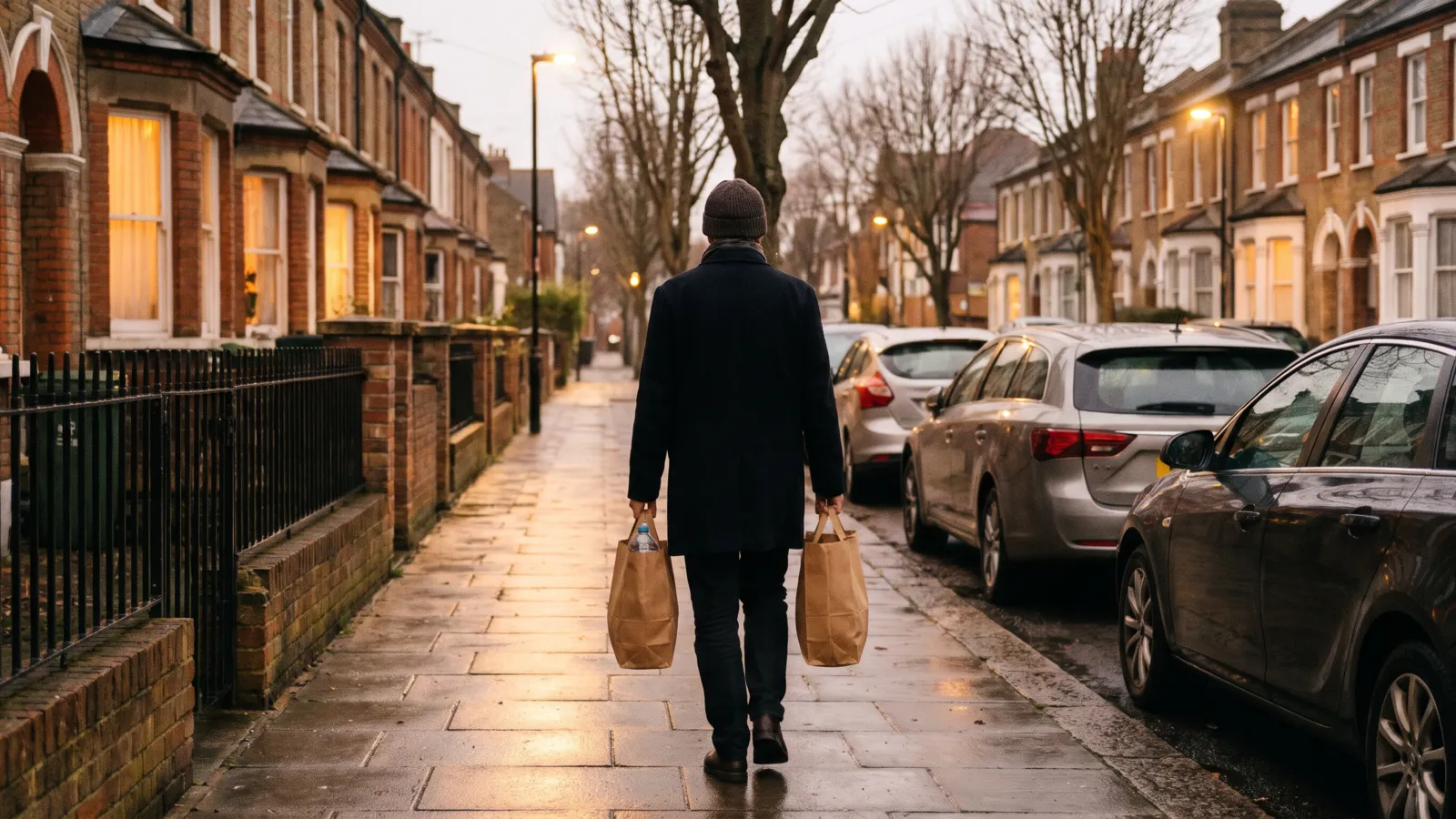
Why are we being told to stockpile?
Strictly, you aren't: the government's advice never uses the word. Be Ready, launched by the Cabinet Office on 22 October 2026, asks households to be ready for three days. Its reason is everyday disruption, "events such as severe weather, which can occasionally affect services like power, water, and the internet", and a practical one: "if households that can take these steps do, emergency services will be able to prioritise those most in-need if an emergency were to happen."
Our check of why we are being told to prepare for an emergency goes through the government's reasons in full. What is new this week is a report from Parliament, and a headline that calls it a stockpiling alert.
Where the 'stockpiling alert' comes from
On 16 November Wales Online and other Reach titles ran "New stockpiling alert warns of blackouts and empty shop shelves". The article reports a House of Lords committee, not new government advice. The National Resilience Committee's report, Are we ready? Building a culture of resilience, was published that day. It is addressed to the government, which Parliament's record shows is due to respond by 16 January 2027.
The blackouts and empty shelves are about how one failure can lead to another. The report says "Disruption in one part of the chain can quickly have consequences elsewhere", and that "The same mindset applies whether the threat is war or a power cut, a cyber-attack or a pandemic, flood or a food shortage."
The stockpiles the report means are the country's
Its stockpiles conclusion is about national supplies: "The UK's national resilience is seriously undermined by its limited domestic production and stockpiles of vital products, including food and medicines." It welcomes the health department's medical stockpiles, including "the eight-week buffer stock requirement for secondary-care medicines", and asks ministers to review whether they give "sufficient coverage".
It gives the reasons. The UK imports 80% of the active ingredient for penicillin antibiotics from China, it says, and "just nine retailers account for around 94.5% of food sold through UK supermarkets." It wants supply chains to shift "from a 'just-in-time' approach to being 'just-in-case'". That is a job for government and industry, not your kitchen cupboard.
Home Alerts members
The full picture, for your home
Each week, what's happening across Britain set against your own address: your water company, your power network, fuel for your car and the gaps in your kit. Free for your own home. Sign up in a minute.
Start free →Britain's figures from our live trackers, 19 November.
What it says about households
The committee writes that it "warmly welcome[s]" Be Ready, but notes that the public say they "have no clear, authoritative information on what they should do to be prepared." It recommends that the government "distribute a booklet to every household, modelled on the Danish and Swedish equivalents". Dame Angela Eagle MP told the committee that the government did not intend to, and would rely on its website.
Several witnesses questioned whether a three-day baseline was sufficient or achievable for all households. One noted that power disruption during Storm Arwen lasted "for some up to 10 days". Researchers at the University of Strathclyde noted that after a GB-wide power system collapse, the new restoration standard allows up to five days for full demand to be restored. The committee reports these views, but none of its recommendations sets a different amount for households. Our story on two weeks versus three days covers that debate.
What it means for your home
Nothing changes today. Be Ready still says "Being ready for 3 days helps you manage while support reaches those most in need", with bottled water at "3 litres per person per day for drinking". It says "It's best to buy food you'd usually eat", and to "Pick up missing items when you can during your regular shopping trips to help spread the cost."
Our checked list of what to keep sets out the checklist line by line, and our emergency kit guide shows how to put it together. Buying extra for a few days isn't against the law either: is stockpiling illegal? explains.
Common questions
Is there a new government stockpiling alert?
We found no new government advice. The headlines of 16 November are about a House of Lords National Resilience Committee report, which asks the government to do more. Be Ready's advice is still to be ready for three days.
Is the government telling us to stockpile for blackouts?
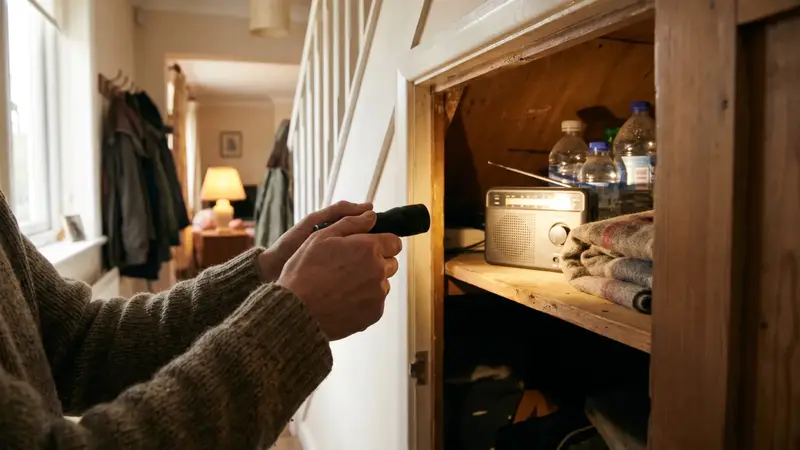
Be Ready asks households to keep three days of basics, such as bottled water, food you'd usually eat, a torch and a radio, built up during regular shopping. It names severe weather that can occasionally affect power, water and the internet. It doesn't use the word stockpile.
What did the House of Lords report say about stockpiles?
That "The UK's national resilience is seriously undermined by its limited domestic production and stockpiles of vital products, including food and medicines." It means national supplies. It asks ministers to review whether medicine stockpiles give sufficient coverage.
Does the report say households should keep more than three days?
No. Several witnesses questioned whether three days was enough, but none of the committee's recommendations sets a new amount. It recommends a preparedness booklet for every household.
When will the government respond?
Parliament's committee record lists a government response due by 16 January 2027.
Sources (7)
- House of Lords National Resilience Committee, Are we ready? Building a culture of resilience, HL Paper 79 (16 November 2026), summary, read 16 November 2026
- House of Lords National Resilience Committee, HL Paper 79, summary of conclusions and recommendations (national stockpiles, medicines buffer stock, household booklet), read 16 November 2026
- House of Lords National Resilience Committee, HL Paper 79, chapter 5 (72-hour baseline evidence, Storm Arwen, restoration standard, booklets), read 16 November 2026
- UK Parliament committees, publication record for HL Paper 79 (published 16 November 2026, government response due 16 January 2027), read 16 November 2026
- Cabinet Office, Households encouraged to take small, simple steps to stay prepared in an emergency (22 October 2026), read 16 November 2026
- GOV.UK Be Ready, Be ready for emergencies (3 days, 3 litres per person per day, regular shopping trips), read 16 November 2026
- Daily Post (Reach), New stockpiling alert warns of blackouts and empty shop shelves (16 November 2026), the headline checked, read 16 November 2026
PreparedBritain is independent and not affiliated with HM Government.
See our checks first on Google. Add PreparedBritain as a preferred source and Google will show our stories to you more often in Top Stories.

The Emergency Kit Checklist
The GOV.UK Prepare essentials on one printable page — tick them off as you go and keep it with the kit. Free, no catch.
Download it straight away. We'll also send the occasional briefing when something genuinely matters — severe weather, live incidents, real price drops. Nothing else.
Latest from our live data
All stories →
For the children this Christmas


Keep reading
All planning & the national picture guides →Red Cross shares 14 ‘essential’ items for 3-day emergency kit: how it compares with Be Ready
The British Red Cross’s 14 ‘essential’ emergency kit items, shared in the papers on 16 November, set side by side…
Do I need torches and batteries before Tuesday's snow? What the Met Office warnings say
The Met Office has a yellow snow warning for parts of northern England, the Midlands and southern Scotland until…
What should you stockpile, and what shouldn't you? The UK list checked against official advice
The government's Be Ready checklist is the UK list: 15 lines, from bottled water to pet food. The 'do not stockpile'…